Last updated November 25, 2026
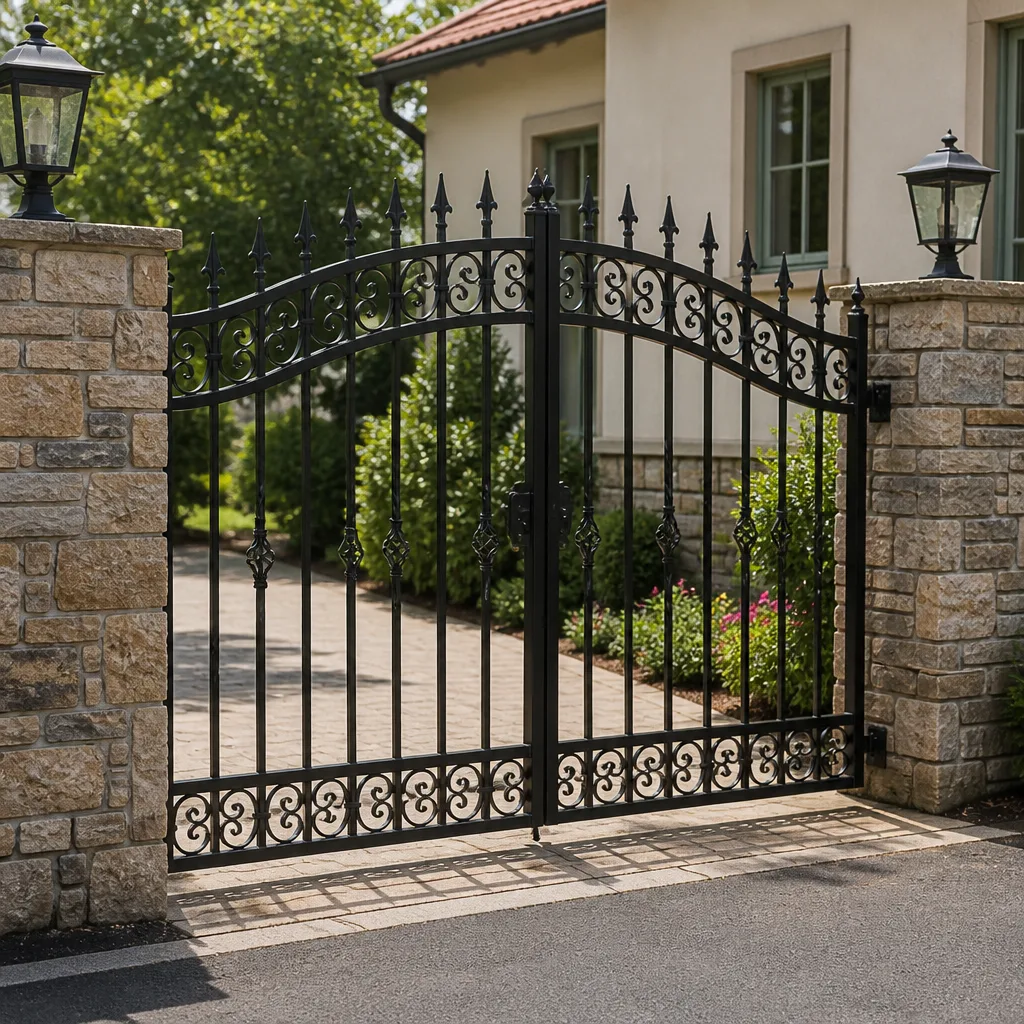 Wrought iron
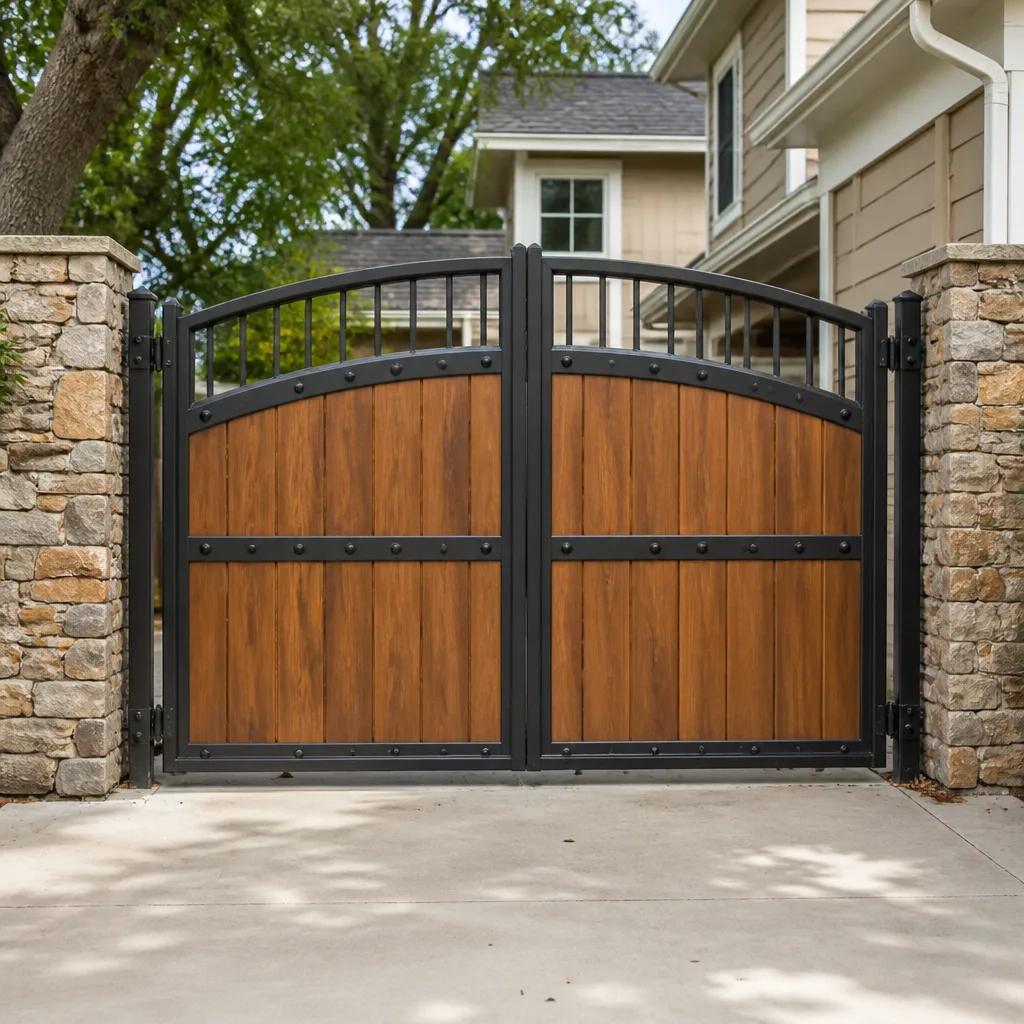 Wood & steel frame
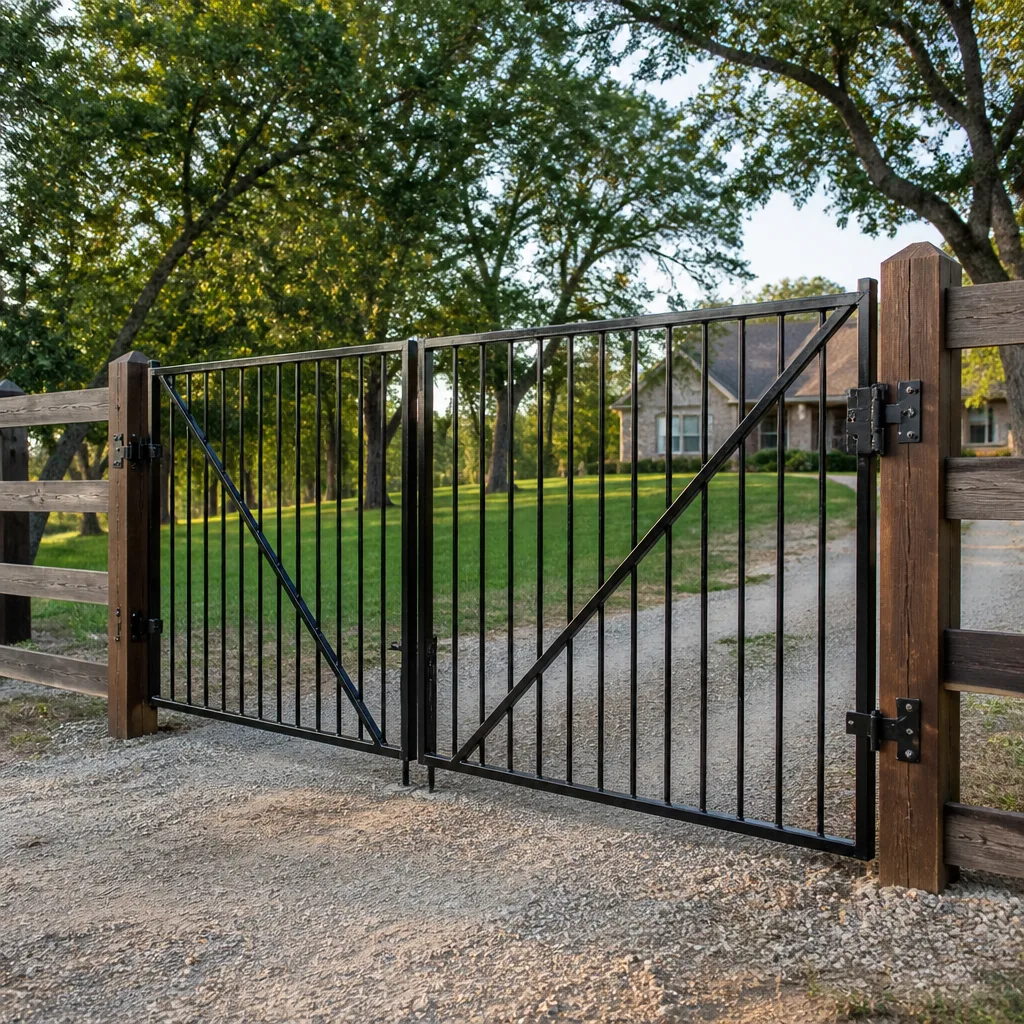 Farm & ranch
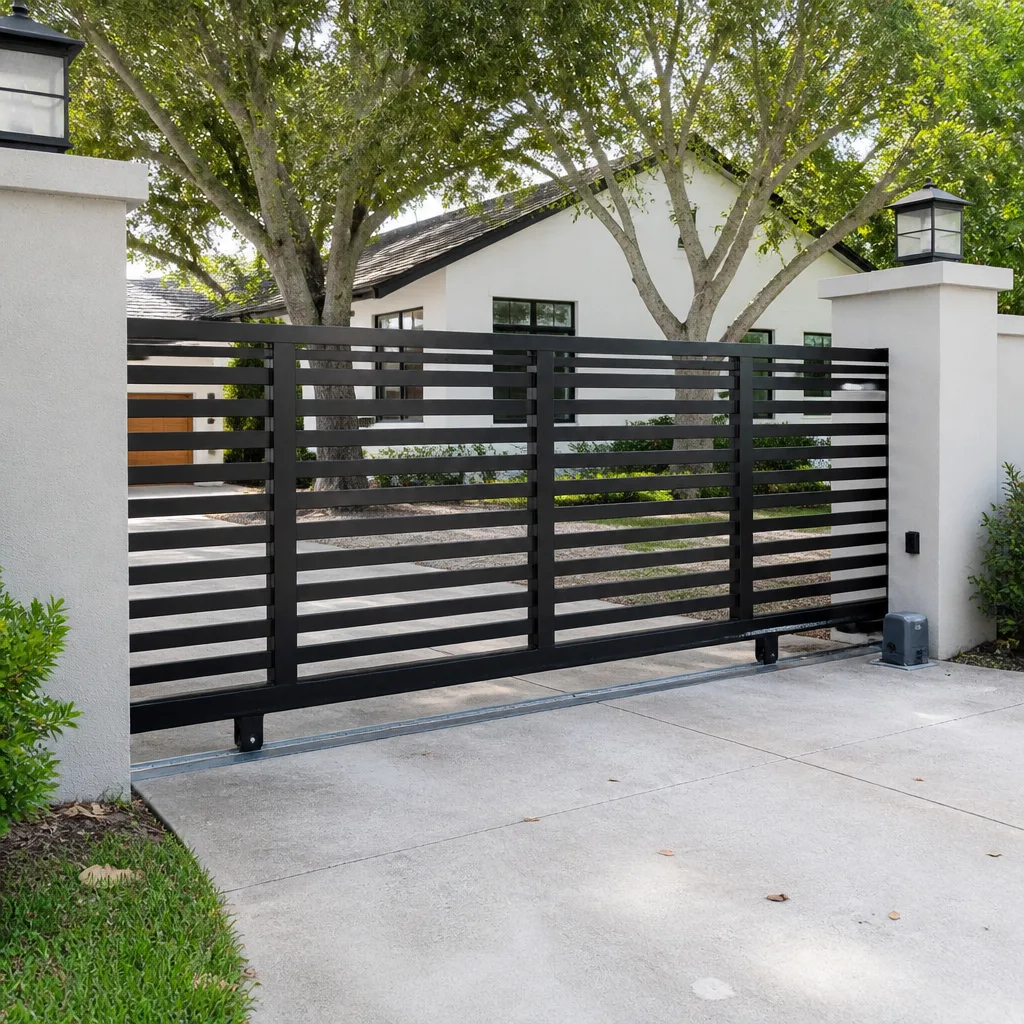 Sliding driveway gates
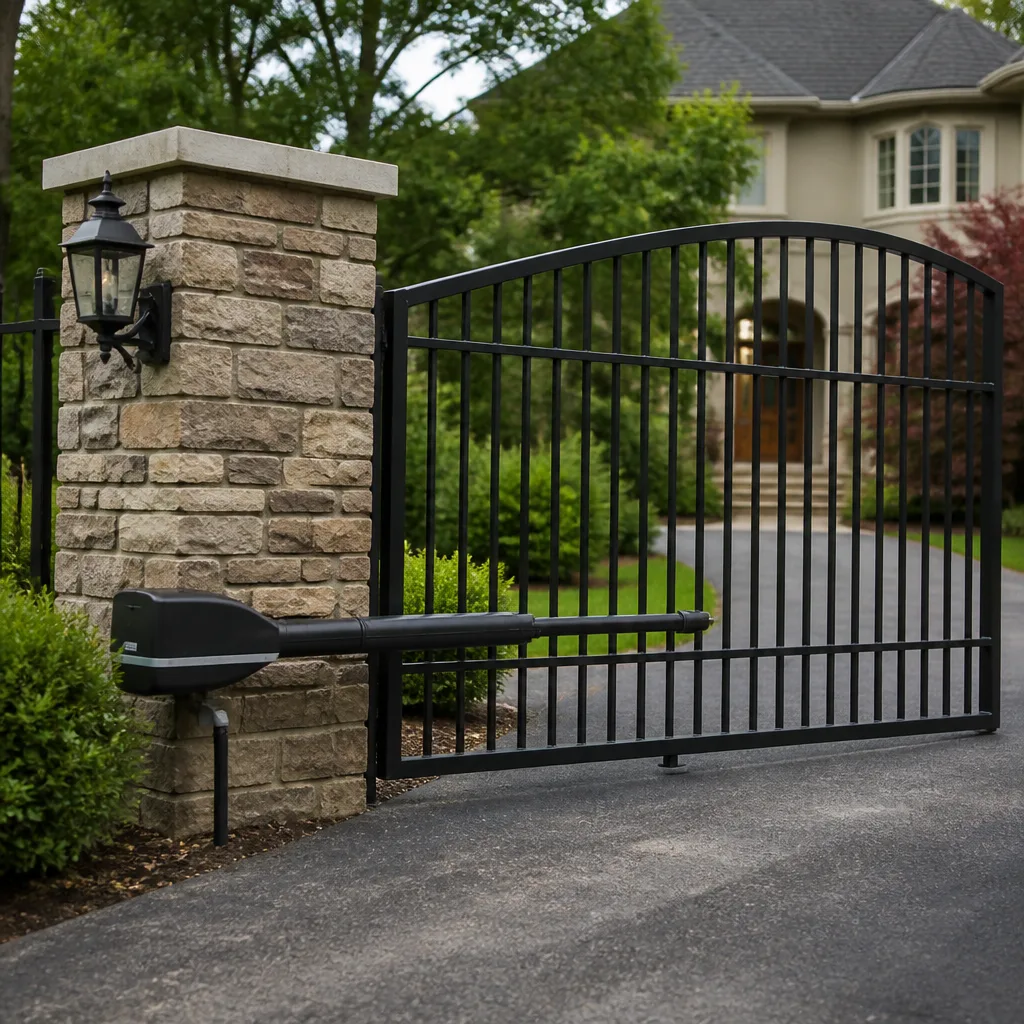 LiftMaster operators
Free on-site gate assessment - hinges, posts, and your LiftMaster or Nice gate operator checked before anything is quoted
The assessment is free and the quote is the invoice.
Get your free estimateGate Repair Permits, Codes & Inspections in Pearl District, OR: What You Need to Know
Most Pearl District property owners assume a gate is too small a structure to need a permit. Then they add a motor. That single change can move a project from a repair you can do without paperwork into an alteration the City of Portland wants to review, and many owners don’t discover the distinction until a buyer’s inspector or an insurance adjuster asks for the record. This guide breaks down Oregon’s layered permit structure as it applies to gates in Pearl District: when a like-for-like repair needs nothing, when a new installation or an automatic operator triggers a building permit, how UL 325 safety requirements apply whether or not a permit was pulled, and what remediation actually involves when unpermitted work surfaces.
Quick Answer
In Pearl District, a like-for-like gate repair generally needs no permit, but installing a new gate, altering an existing one structurally, or adding an automatic operator usually does. Portland’s building code treats a motorized operator as an alteration to the gate system, so that work falls under permit review, and the federal UL 325 safety standard applies to every automatic gate regardless of permit status. Ask the City of Portland’s Bureau of Development Services about your specific address before work begins.
Styles & brands we work with
- Wrought iron
- Wood & steel frame
- Farm & ranch
- Sliding driveway gates
- LiftMaster operators
Table of Contents
- Does gate repair need a permit in Pearl District?
- How Portland classifies automatic gate operators
- UL 325: the safety standard that ignores permit status
- Pearl District HOA and mixed-use building rules
- What a failed inspection looks like
- Cost and timeline to fix non-compliant gate work
- How the permit application process works
- Common mistakes to avoid
Does Gate Repair Need a Permit in Pearl District?
The short version: repairing a gate that already exists, back to the way it was, generally does not require a permit. Swapping a worn hinge, replacing a latch, straightening a sagging swing panel, or re-hanging a gate that has dropped on its posts is repair work. Portland’s building code draws a line between that and anything that changes the gate’s size, location, structural framing, or the way it operates. Cross that line and you’re in alteration territory, which triggers permit review.
The confusion comes from how people use the word “repair” in everyday conversation. “I need gate repair” can mean anything from a rusty hinge to a collapsed slide track to a dead motor. Only some of those are repairs in the code’s sense. Here’s how we’ve seen the distinction play out on Pearl District properties:
- Typically no permit: like-for-like replacement of gate hardware, minor welding on an existing frame, latch adjustment, re-hanging a swing gate, cosmetic work on a panel that isn’t load-bearing.
- Typically requires a permit: installing a brand-new gate where none existed, changing the gate’s dimensions or swing direction, replacing a post or the structural frame in a way that changes load paths, converting a manual gate to an automatic operator.
- Grey zone: replacing a failed motor with an identical unit. Many owners assume this is a repair, but because it touches an electrical component and the safety edge, we recommend calling the Bureau of Development Services to confirm before scheduling.
One local factor that trips people up: Pearl District buildings often sit on tight urban lots where a gate adjoins a public right-of-way or a shared alley. That adjacency can bring in additional review even for otherwise minor work. When in doubt, we tell people to describe the job to the city before work starts, not after. We’ve seen how a five-minute phone call saves weeks of backtracking. For a fuller picture of the repair side of the work, our gate repair page covers what a technician typically handles.
How Portland’s Bureau of Development Services Classifies Automatic Gate Operators
Adding a motor to a manual swing or slide gate is the single most common trigger for an unexpected permit requirement in Pearl District. In the code’s terms, an automatic operator changes the gate into a powered system, and that reclassification usually pulls the work into permit review, even when the gate itself doesn’t move an inch.
The Bureau of Development Services handles building permits for this kind of work. For a single-family property the review is usually straightforward. For multi-unit properties, including the converted warehouse lofts and mixed-use buildings that make up so much of Pearl District, expect a more layered process. Here’s what reviewers are typically looking for:
- Structural adequacy of the posts and frame. An automatic operator adds load and force. If the existing gate was hand-pushed for years, its frame may not be suited to the torque and automation the operator introduces.
- Electrical scope. A powered operator means wiring a power run, and that electrical work is usually permitted separately. In our experience the permit scope for the gate and the permit scope for the circuit are often handled by different trades, and it’s easy to miss one.
- Site-specific factors. Height, setback from the property line, and proximity to a sidewalk or public right-of-way can each affect what the reviewer asks for. Urban lots in Pearl District sometimes trigger extra review because a gate abuts a shared alley or a public way.
- Property records. On a condo or mixed-use building, the applicant usually needs a sign-off from the association. See the HOA section below.
Because the classification depends on how the job is described on the application, technicians who do this work all day tend to describe it in the language the reviewer expects. A contractor who says “I’m adding a motor to my client’s gate” may get a different response than one who says “I’m installing an automatic operator on an existing gate at [address].” Small word choices, big timetable differences. When we plan a gate motor & opener installation for a Pearl District customer, part of the conversation is always whether the paperwork reflects the actual scope of work.
UL 325: The Safety Standard That Applies Whether or Not You Pull a Permit
UL 325 is a federal safety standard for automatic gate operators. It has nothing to do with Portland’s permit process, and that’s the point most people miss. A gate can pass a city inspection and still be out of step with UL 325. A gate that was never inspected at all can be built to UL 325 perfectly. The two systems are independent, and both matter.
In plain terms, UL 325 requires automatic gates to include mechanisms that detect an obstruction and stop or reverse the gate to prevent injury. For a slide gate that usually means a sensor or safety edge along the closing path. For a swing gate the requirements differ depending on where and how the gate swings. On Pearl District properties, that distinction comes up a lot because so many gates open onto a sidewalk, a shared courtyard, or an alley with foot traffic.
What surprises owners is how many older installations fail UL 325 without any visible defect. A functioning gate with a working motor can still be non-compliant if:
- The safety sensors were never installed in the first place.
- The sensors are misaligned or have been bypassed, and the owner doesn’t know.
- A replacement motor was installed that isn’t matched to the gate’s weight and travel.
- The gate’s travel path crosses an area with pedestrian access and no detection is present.
For liability purposes, UL 325 compliance is often the first thing an insurer asks about after an incident. If you can’t show the gate was compliant, that’s when “I didn’t know I needed a permit” gets expensive. In our experience most Pearl District gate owners who call us after a failure are surprised to learn that the standard applied to them the whole time, and that bringing an older install up to UL 325 is often a matter of sensor placement and operator calibration rather than a rebuild.
Pearl District HOA and Mixed-Use Building Rules: The Layer Above City Code
City code sets the floor. In much of Pearl District, the building’s association sets the ceiling, and that ceiling is usually lower. If you own a unit in a mixed-use building, a co-op, or a condo, assume your HOA has rules about gate changes, and assume those rules are stricter than what the city requires.
What typically appears in an association’s governing documents:
- Architectural review. A committee or property manager approves any visible change to exterior gates, materials, finishes, and operator style before the city sees an application.
- Color and material matching. Replacement panels usually need to match existing colors and finishes. In Pearl District, where a building’s gates are part of the streetscape, this matters.
- Access control integration. Adding keypads, intercoms, remotes, or smart-entry systems usually requires the association to approve the specific technology. Different brands pose different integration questions, and associations often care about which system is being introduced because access control is a shared resource, not a personal convenience.
- Shared-cost rules. A gate that serves multiple owners is usually the association’s responsibility to repair. That often means the association decides on the contractor, not the individual unit owner.
- Documentation. Most associations require a copy of the permit, the contractor’s insurance, and the final inspection sign-off before they’ll sign off on the change.
The practical upshot: before scheduling a new gate or operator, ask the property manager for the association’s architectural rules. Buildings throughout Pearl District vary in how formal that process is, and a phone call or email to the manager first usually saves weeks. We regularly help Pearl District customers put together the technical documentation their association needs, because the association approval and the city permit run as two parallel tracks, and both need to move before the technician shows up.
What a Failed Inspection Actually Looks Like
Most owners picture a failed inspection as a dramatic red tag. In our experience it’s usually quieter, and that’s what catches people off guard. The inspector visits, notes one or two items, and either issues a correction notice or asks for follow-up before the permit can be closed. The gate still works. The owner is still using it. The permit just isn’t final, and that can drag on for weeks.
Corrections we commonly see on automatic gate installs in Pearl District:
- Electrical scope incomplete. The gate permit was approved but the electrical permit for the operator’s power run wasn’t pulled or wasn’t finalized.
- Safety sensor documentation missing. Inspectors may want to see the operator’s certification and sensor placement on the drawings, not just on the gate.
- Structural support undersized. The gate itself is fine but the posts or frame aren’t adequate for the operator, and the inspector wants reinforcement documented.
- Setback or height issues. Measurements don’t match what the plan showed. Urban lots in Pearl District often have tight tolerances, so small discrepancies matter.
- Association sign-off missing. The city may ask for evidence that the building association approved the work.
None of these are catastrophic. All of them cost time. The frustrating part is that most of them are preventable with a better plan on the front end. When we do a new install or a motor replacement, part of the job is making sure the submitted scope matches the actual install, because a well-documented job tends to pass first time. A poorly described one goes back and forth.
Cost and Timeline to Fix Non-Compliant Gate Work in Portland
There’s no single number here because remediation cost depends on what the correction is. A missing safety sensor is a smaller job than re-framing posts to carry a heavier operator. That said, there are realistic categories, and we’re sharing rough ranges so you know what to expect before you call.
Keep in mind these are typical estimate ranges, not quoted prices on your specific gate. A written estimate follows an on-site look at the gate, and that estimate sets the final price.
- Safety sensor or safety edge install: typically a smaller job, in the low-to-mid hundreds depending on gate type and wiring accessibility.
- Operator replacement or recalibration: typically a mid-range job, sometimes into the low four figures if the existing operator is being swapped for a properly matched model.
- Structural reinforcement of posts or frame: varies widely; a simple post replacement is modest, a full frame rework can be significant.
- Electrical work to complete the power run: separate trade, priced by the electrician.
- Permit fees and reinspection: the City of Portland’s fee schedule and reinspection policy apply. Ask the Bureau of Development Services for the current schedule.
Timeline-wise, most corrections that only involve sensor work or recalibration can be scheduled quickly once the plan is clear. Structural work adds lead time for materials and, in some cases, another inspection. Electrical work can add a week or more depending on the electrician’s calendar. The wildcard is documentation: if the original permit was never finalized, you may need to work backward with the city on what was actually installed before it can be closed out. In our experience this is where owners lose the most time, and where having a technician who can walk an inspector through the as-built condition matters.
How the Permit Application Process Actually Works in Pearl District
For a Pearl District property owner who has decided the work needs a permit, the process usually follows a predictable path. Every job is different, and the Bureau of Development Services has the final word on what your specific application needs, but this is the sequence we walk people through.
- Confirm the scope in writing. A technician describes exactly what’s being installed or altered, with measurements and the operator model. Associations often want this too.
- Ask the city whether a permit is needed. Call BDS, describe the scope, and get the answer for your address. Save the response.
- Get association approval if it’s a unit in a building with an HOA. This usually runs in parallel with the permit application, not after it.
- Submit the permit application. Attach drawings showing gate location, operator model, sensor placement, and structural details. Missing detail is the most common reason applications bounce back.
- Separate electrical permit. The power run almost always needs its own permit and its own licensed trade. Ask whether your gate contractor is coordinating this or whether you need to hire an electrician directly.
- Schedule the inspection after install. Inspectors want to see the gate in its finished condition, with sensors in place and the electrical work also finalized.
- Finalize the permit. Keep a copy of the closed permit with the building’s records. It’s often required at resale or for insurance.
The order matters more than people expect. Submitting the gate permit before the association has approved the scope, or installing the operator before the electrical permit is finalized, is how remediation work gets created before the job is even done. A technician who’s used to working on Pearl District mixed-use properties usually has the sequence in their head and can steer the owner through it. For new work rather than remediation, our gate installation page is a useful companion to this guide.
Common Mistakes to Avoid
These are the recurring missteps we see on Pearl District gates, in rough order of how often they come up.
- Assuming a motor doesn’t count as a change. Adding an automatic operator to a manual gate is usually a permit-triggering alteration. Treat motor installation as a new job, not a repair, until the city confirms otherwise.
- Skipping UL 325 thinking it’s covered by the permit. It isn’t. The permit process and UL 325 compliance are separate, and an inspection pass doesn’t prove the gate is safe for pedestrian traffic.
- Forgetting the HOA. In Pearl District mixed-use and condo buildings, association approval and city permit are two different gatekeepers. Missing one can put the other on hold.
- Not documenting the original install. If you buy a property with an existing automatic gate, ask for the permit, the UL 325 paperwork, and the association’s approval. Missing records become a resale and insurance problem later.
- Using a generalist contractor for the electrical side. Gate motors, sensors, and access panels touch electrical work, and getting the power run permitted separately is normal. Skipping it creates a paper trail that gets discovered later.
- Replacing the operator with the wrong model. A technician familiar with brands like BFT, Linear, Ghost Controls and Viking will match the operator to the gate’s weight and travel. A mismatched unit can fail UL 325 requirements even though it powers on fine.
- Ignoring sensor misalignment. Sensors that aren’t aligned behave like no sensors at all in an accident review. If the operator stops or reverses erratically, get it looked at before an injury forces the issue.
See the difference
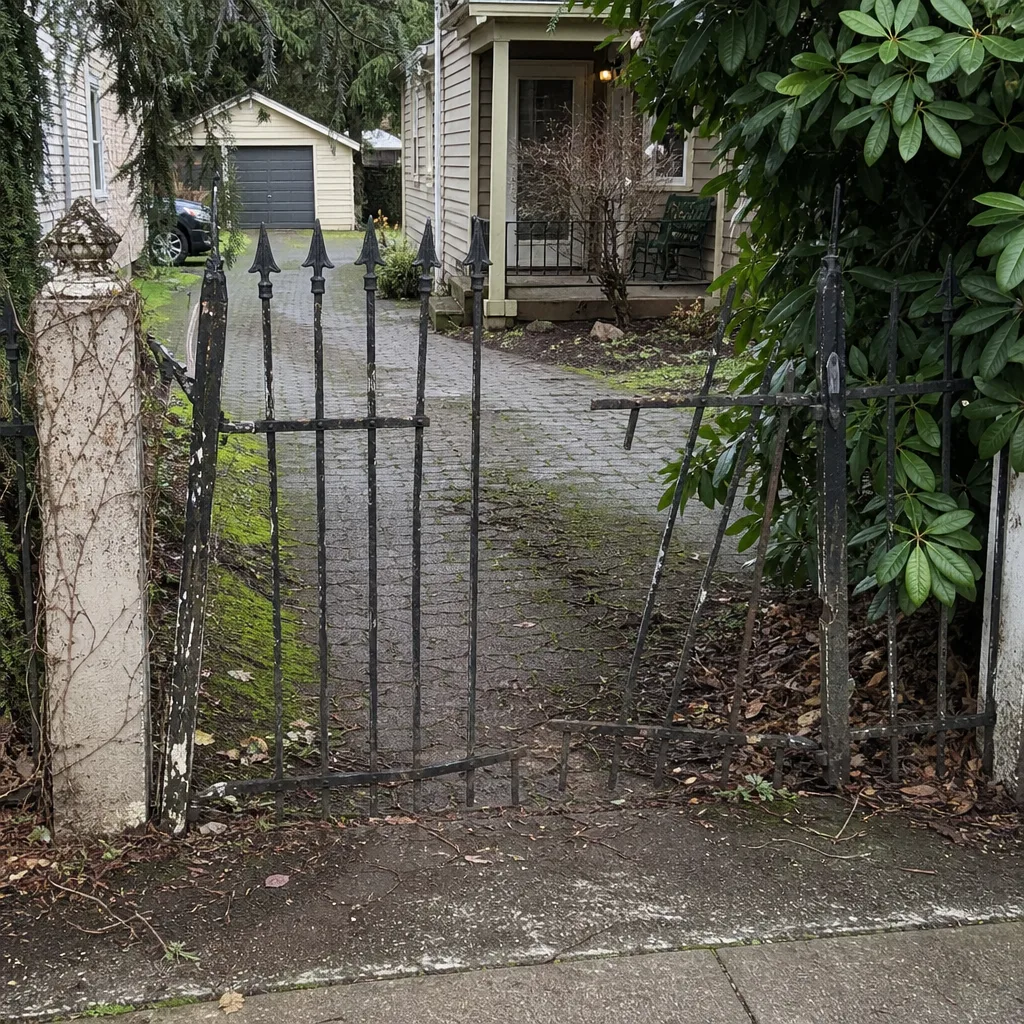 Before
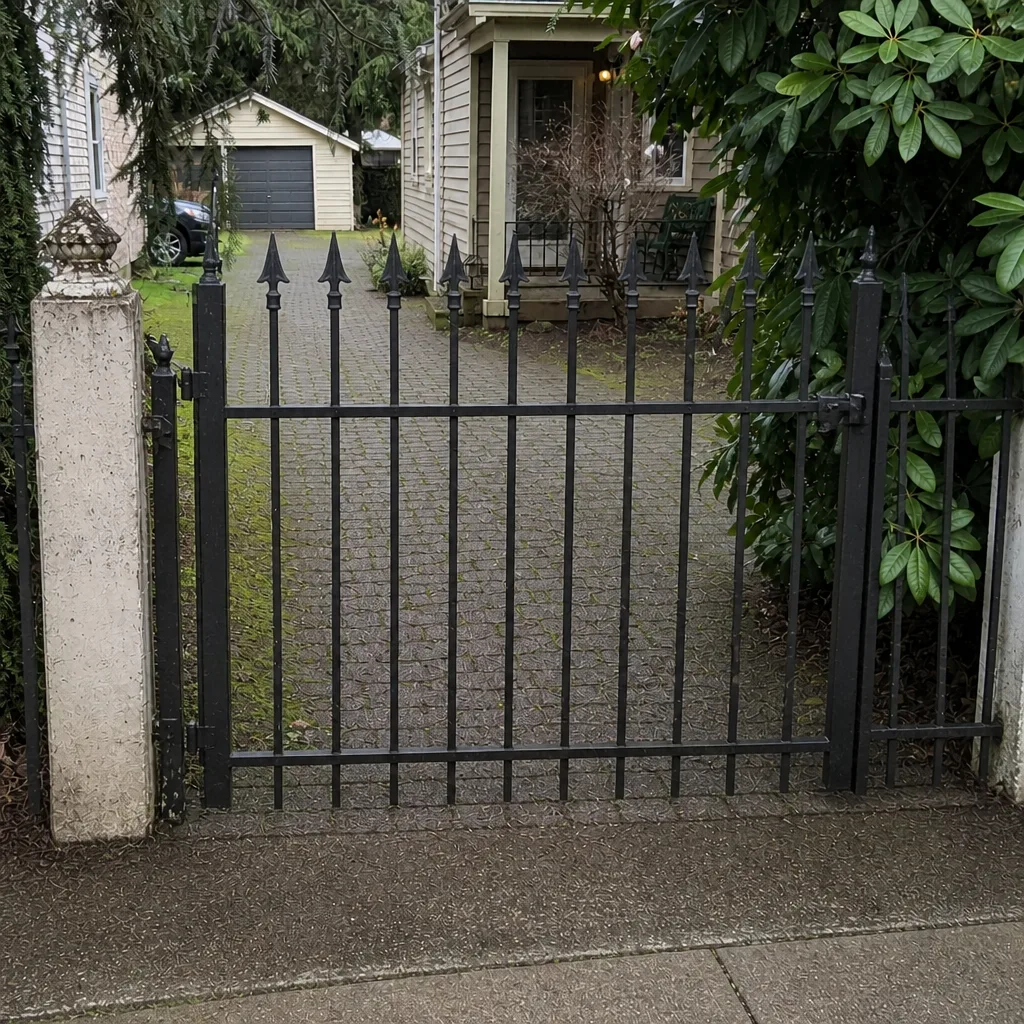 After
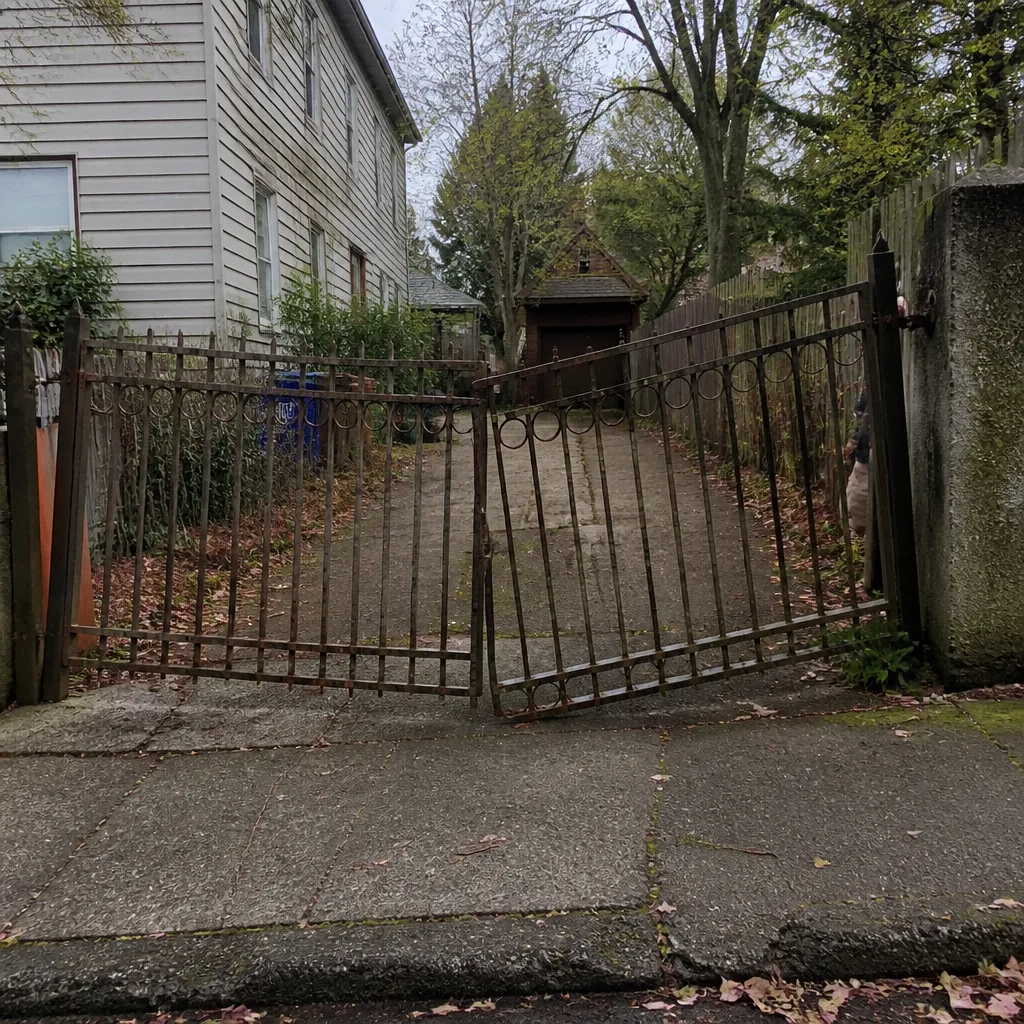 Before
 After
 Before
 After
When to Call a Professional
A few specific situations should pull you off the “I’ll figure it out later” list and onto the phone. If your gate is electric or motorized and has stopped working mid-cycle, that’s an electrical and safety issue. If the gate slams, reverses for no reason, or fails to reverse when something crosses its path, that’s a UL 325 issue and it deserves a technician, not a workaround. If you’re planning a new installation or a motor upgrade and aren’t sure whether the work needs a permit, a specialist can describe the scope in the language the city wants and help you sort the paperwork from the technical work. And if you’re buying a Pearl District property with an automatic gate, a walk-through during escrow is much cheaper than remediation after closing. Gate Repair Pearl District offers free estimates in Pearl District – call (833) 482-6184 to schedule a look.
Frequently Asked Questions
Usually not, if the work is a true like-for-like repair – replacing hardware, adjusting a hinge, re-hanging a swing panel, or minor welding on an existing frame. A permit is typically required when the work changes the gate’s size, location, structural framing, or converts a manual gate to an automatic operator. Confirm with the city’s Bureau of Development Services for your specific address, since urban lots in Pearl District sometimes fall into additional review. Call (833) 482-6184 for a free estimate if you want a technician to help describe the scope.
In most cases, yes. Portland’s building code generally treats the addition of an automatic operator as an alteration to the gate system, which brings the work into permit review even though the gate itself isn’t moving. The electrical work for the operator usually needs its own permit too. The Bureau of Development Services has the final word – describe the scope and ask for your address before scheduling. Call (833) 482-6184 for a free estimate.
UL 325 is a federal safety standard for automatic gate operators, and yes, it applies to your gate regardless of whether any permit was ever issued. It requires detection and reversal mechanisms so that a closing gate stops or reverses when it meets an obstruction. A gate can pass inspection and still be out of step with UL 325, so the two are worth checking independently. Call (833) 482-6184 if you want the sensors on a Pearl District gate checked.
No. A new gate structure almost always requires a building permit, and if it’s in a mixed-use or condo building you’ll also need association approval. Beyond the city, the building association’s architectural rules usually layer on top and can be stricter – color matching, operator style, and access control technology are common items. Call (833) 482-6184 for a free estimate and we’ll walk through the scope with you.
The gate still works, but you carry the risk of city correction, association pressure, and insurance trouble if the gate injures someone and you can’t show the installation was compliant. Fixing unpermitted gate work after the fact usually costs more than doing it right the first time, because the correction has to be documented retroactively. Call (833) 482-6184 for a free estimate on bringing an older install up to standard.
Gate Repair Pearl District offers free estimates in Pearl District and the surrounding area, whether the job is a sensor fix, an operator replacement, a new installation, or access control programming on brands like Linear, Viking, BFT or Ghost Controls. Our technicians have up to 9 years of experience across gate motors, electrical diagnostics, and safety sensors. Call (833) 482-6184 to schedule, and we’ll quote a price before any work starts.
The Bottom Line
Pearl District’s permit question comes down to a simple distinction that’s easy to lose sight of: repairs to an existing gate usually don’t require a permit, but changes that alter the gate’s structure, size, or operation usually do, and adding an automatic operator is the biggest example. On top of the city’s process, UL 325 safety requirements apply to every automatic gate whether or not anyone pulled a permit, and the building’s association almost always adds its own review on top of both. Get the scope described clearly, confirm with the Bureau of Development Services, and let the paperwork match the work. When in doubt, a technician who works on Pearl District gates every week can help you sort the sequence before the job starts. Call (833) 482-6184 for a free estimate on gate repair, installation, or an access control upgrade.
Written by the team at Gate Repair Pearl District.