Last updated November 25, 2026
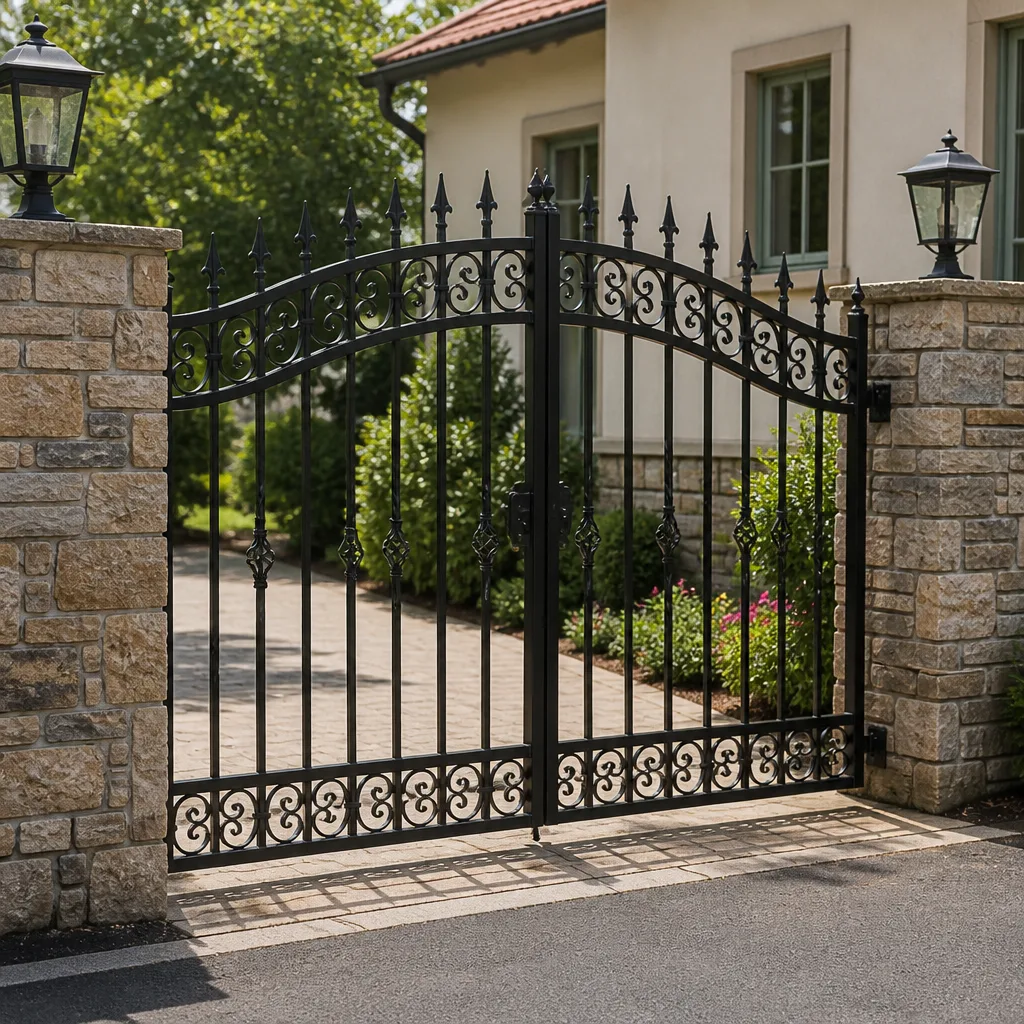 Wrought iron
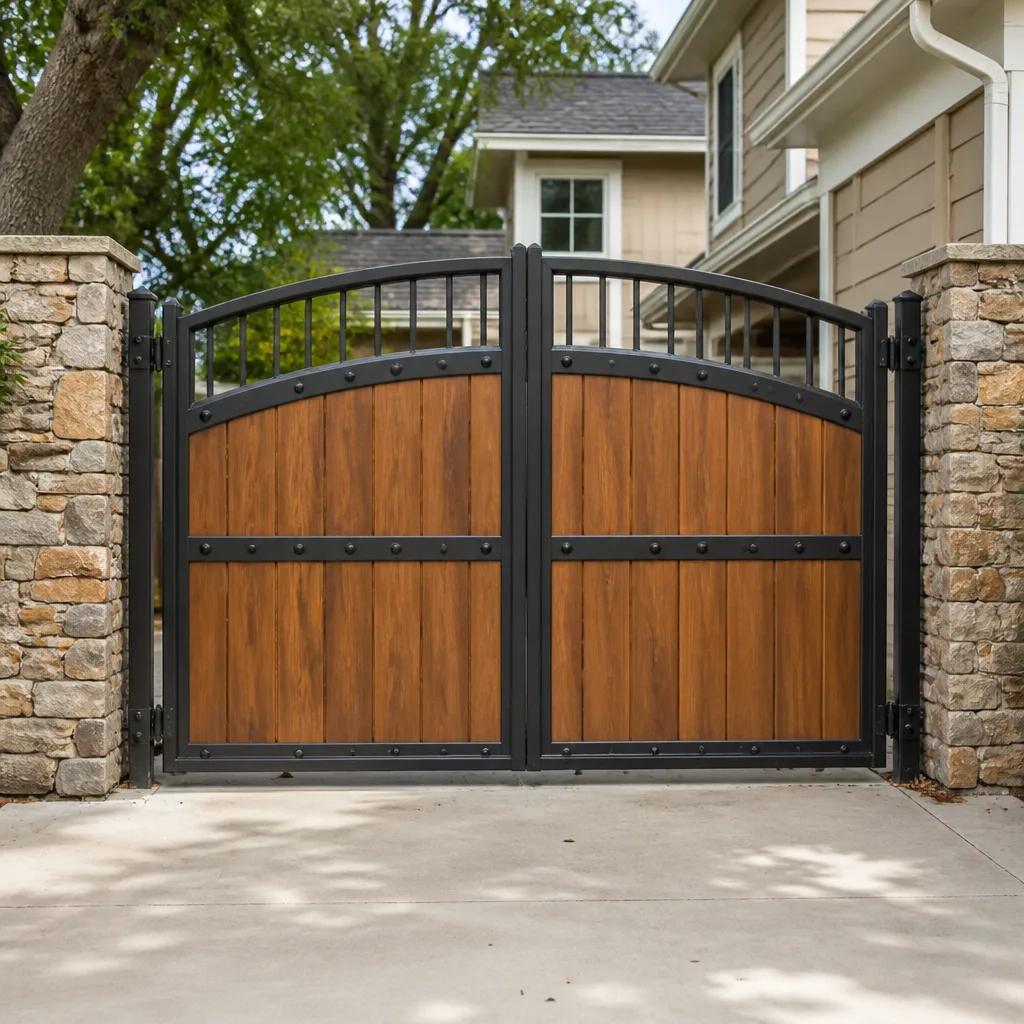 Wood & steel frame
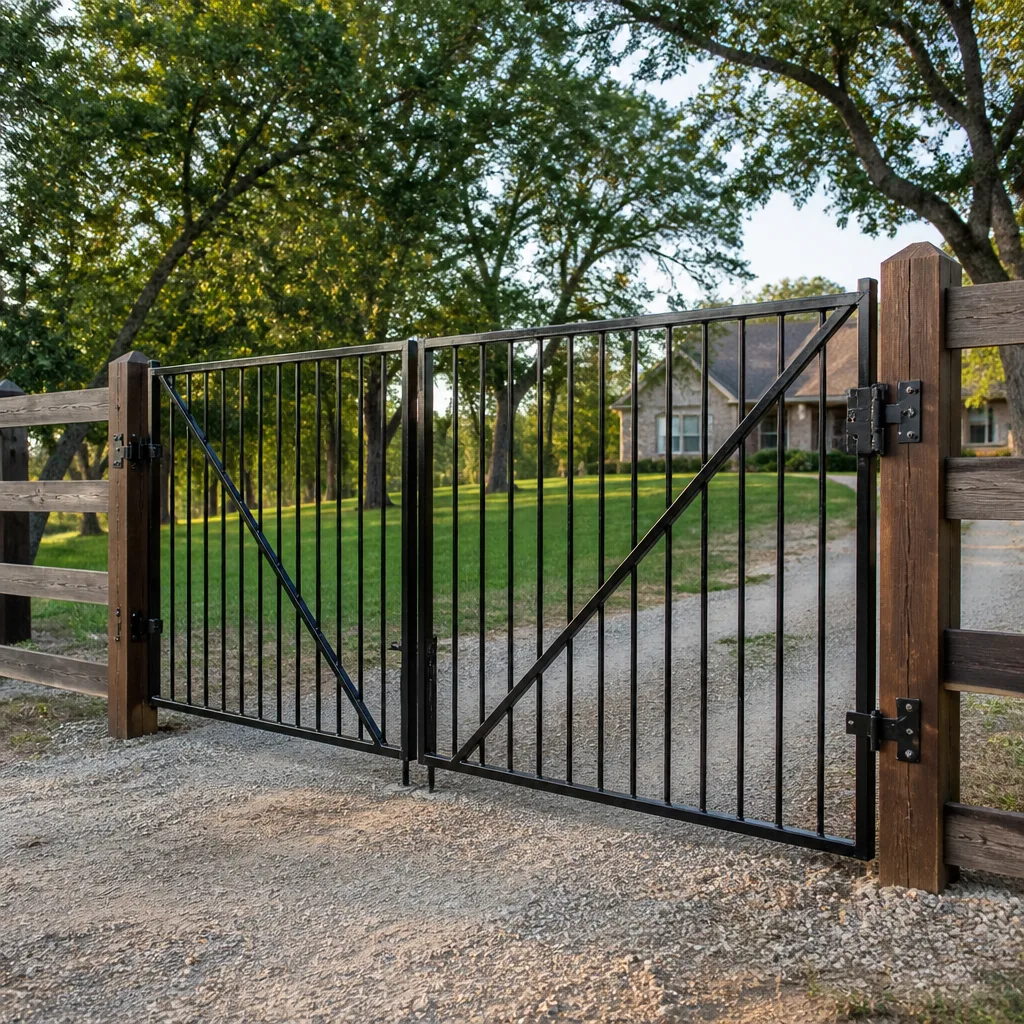 Farm & ranch
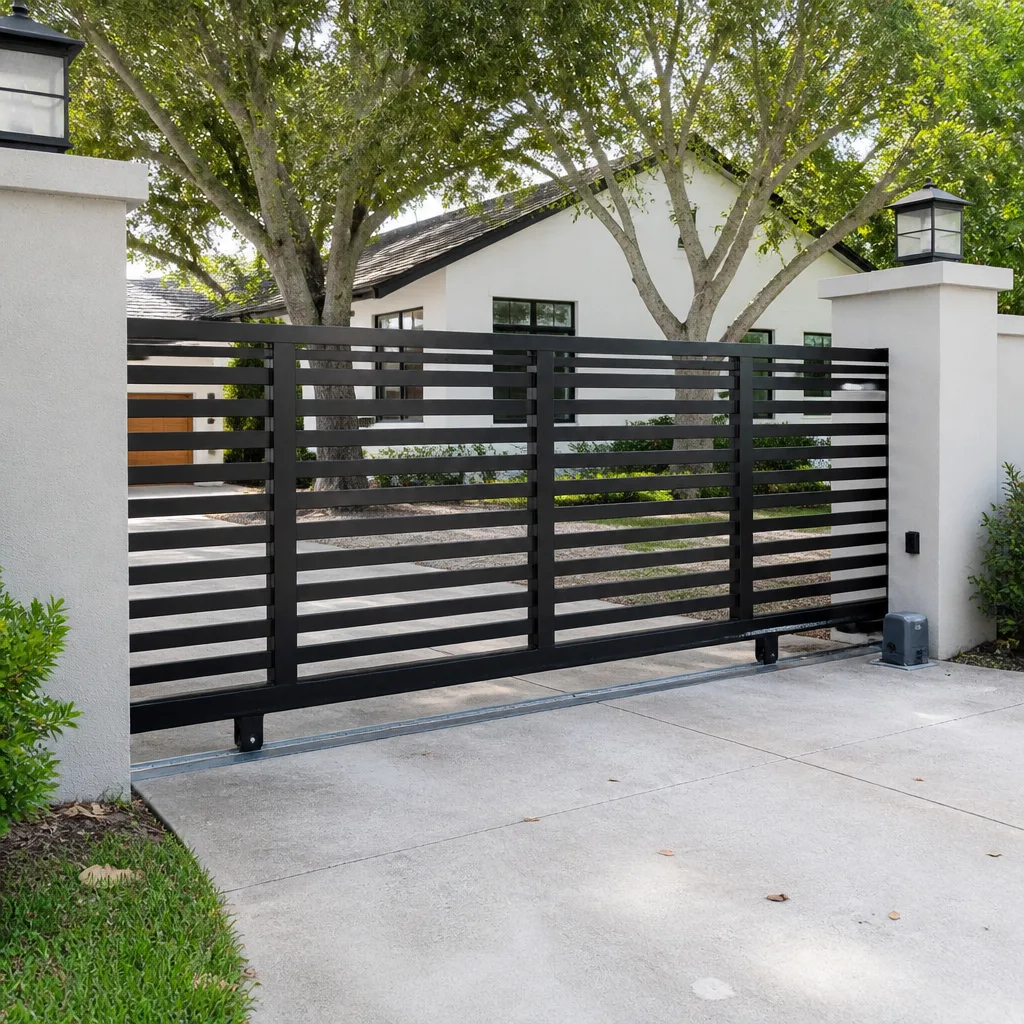 Sliding driveway gates
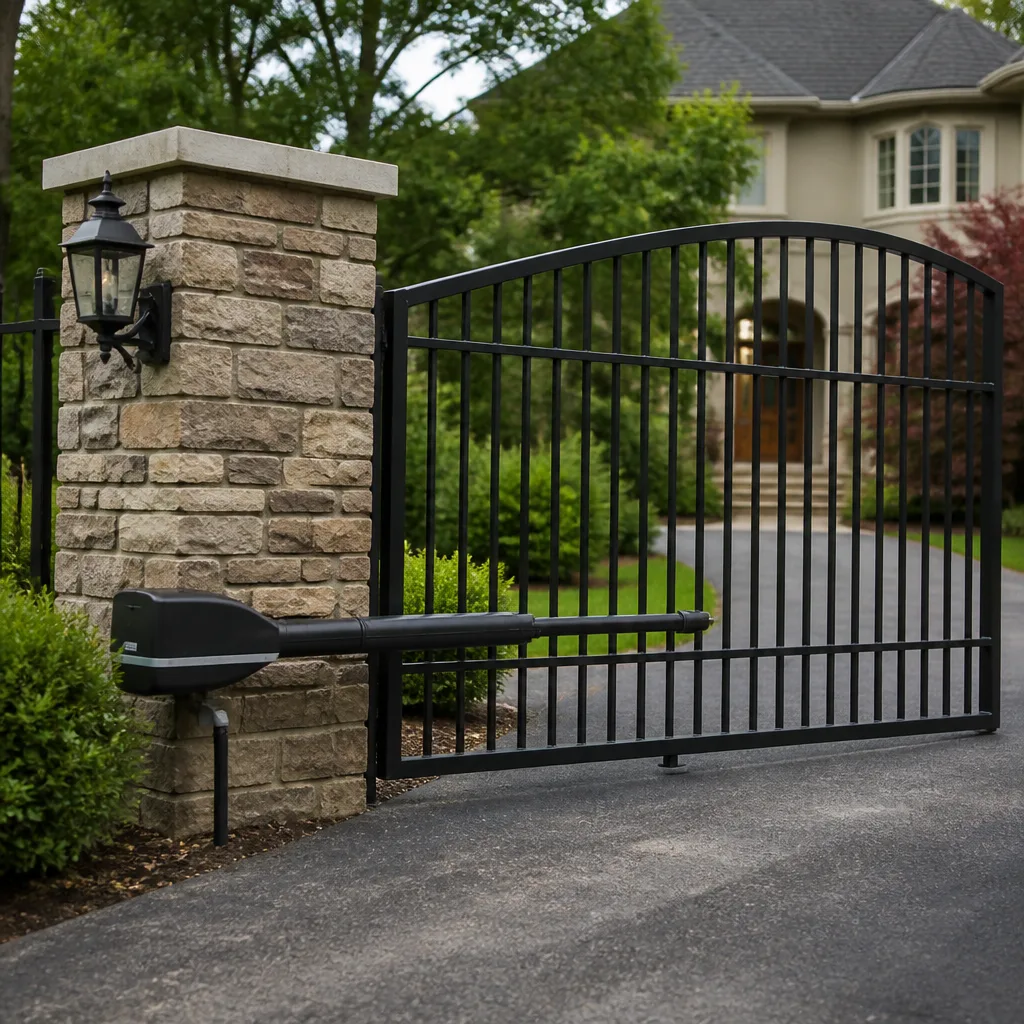 LiftMaster operators
Free on-site gate assessment - hinges, posts, and your LiftMaster or Nice gate operator checked before anything is quoted
The assessment is free and the quote is the invoice.
Get your free estimateGate Repair Maintenance Checklist for Pearl District Homeowners
Lubricating a gate hinge with WD-40 is one of the most common maintenance moves homeowners make, and it’s one of the fastest ways to accelerate wear on the pivot bearing underneath. That’s the counterintuitive truth about gate care: the instinct to spray something slippery on every moving part does more harm than good on a machine built around tight tolerances. This guide builds a checklist around the components you actually own, ordered by how often they fail first in Pearl District’s wet climate. You’ll learn which lubricant goes where, what to check quarterly versus yearly, and where a professional should step in.
Quick Answer
A reliable gate maintenance routine for a Pearl District home has four checkpoints: quarterly inspection of hinges, pivots, and fasteners; quarterly cleaning and alignment of photo-eye sensors; annual lubrication with the correct product for each component (dry PTFE spray for pivots, white lithium grease for gears and operators); and annual electrical inspection of connections and the control board. The order matters. Hardware and sensors fail first, the operator gearbox and limit switches fail next, and the control board almost always fails last.
Styles & brands we work with
- Wrought iron
- Wood & steel frame
- Farm & ranch
- Sliding driveway gates
- LiftMaster operators
Table of Contents
- Which Gate Components Fail First in Pearl District
- Your Quarterly Checklist: High-Wear Parts
- Your Annual Checklist: Motors, Boards, and Wiring
- The Right Lubricant for Each Gate Component
- How Pearl District’s Wet Winters Attack Your Gate
- Maintenance That Voids Operator Warranties
- What Brand-Specific Maintenance Looks Like
- Common Mistakes to Avoid
Which Gate Components Fail First in Pearl District
Gate failures follow a predictable sequence, and knowing that sequence lets you spend your maintenance hours where they actually matter. In our experience across Pearl District, the order looks like this: hinges and pivots, then photo-eye sensors, then the operator gearbox, then limit switches, and finally the control board. That order holds for swing gates and slide gates alike.
Hinges and pivots carry the full weight of the gate leaf every time it moves, which is thousands of cycles a year on an automatic gate. Photo-eye sensors sit low, where Pearl District rain splash, leaf litter, and street grit collect. The gearbox wears gradually through normal use, limit switches drift out of adjustment as hardware settles, and the control board, protected in its housing, is usually the last thing to go.
Why lead with the failure order? Because a checklist that treats every component equally wastes your time. You’ll get more reliability from a rigorous quarterly pass on hinges and sensors than from a fussy annual ritual around the control board.
- Hinges and pivots: weight-bearing, always in motion, first to wear
- Photo-eye sensors: exposed to weather and debris, first electrical fault
- Operator gearbox: gradual wear, needs lubrication and listening
- Limit switches: drift as hardware settles, cause over-travel
- Control board: sheltered, fails last, often a symptom of another fault
If you suspect a component has already failed rather than merely worn, professional gate repair can diagnose it before a small fix becomes a replacement.
Your Quarterly Checklist: High-Wear Parts
Set aside a half hour four times a year and work through this sequence. Do it in dry weather and turn the operator off at the power source before you touch anything mechanical.
- Inspect hinges and pivots. Open and close the gate by hand. Listen for squeaks and feel for binding. Look for rust streaks or dark grease weeping from the pivot bearing.
- Check every fastener. Gate hardware vibrates loose. Run a wrench over hinge bolts, bracket bolts, and post anchors. Snug anything that moves.
- Clean the photo-eye sensors. Wipe the lenses with a damp cloth. Clear any debris from the beam path and confirm nothing has shifted the sensor housing.
- Test the safety reverse. Interrupt the beam while the gate is closing and confirm it reverses. If it doesn’t, stop using the operator and call a technician.
- Walk the track or swing path. Clear leaves, gravel, and grit. On slide gates, check that the track is clear and the gate doesn’t ride up on the rail.
- Look at the post footings. Pearl District ground shifts with the wet-dry cycle. Check for movement, cracks at the post base, or a gate that has begun to sag on one side.
Quarterly attention to these high-wear items catches the majority of problems before they strand a gate halfway open. It also keeps the low-wear parts, like the control board, out of your regular routine where they’d just be busywork.
Your Annual Checklist: Motors, Boards, and Wiring
Once a year, go deeper into the electrical and operator side. This is the pass most Pearl District homeowners skip, and it’s where the expensive failures hide. If your gate needs a gate motor & opener service or replacement, this annual inspection is what tells you it’s due.
- Inspect the gearbox. Open the operator housing and check the gearbox for grease condition and leaks. Listen to a full cycle for grinding or hesitation.
- Test limit switches. Confirm the gate stops at the right open and closed positions. Drift here strains the motor and can damage the gate structure.
- Examine electrical connections. Look at the terminal block and wire nuts for corrosion, moisture, or loosening. Pearl District’s wet winters are hard on exposed connections.
- Check the control board. Look for moisture, insect intrusion, or scorch marks. Confirm the board’s LED indicators match the manual’s normal state.
- Test all access devices. Cycle the gate with every remote, keypad code, and intercom entry to confirm each one triggers reliably.
- Review the manual. Every operator brand has its own maintenance guidance. Read yours before you touch the gearbox or board.
Annual service keeps the operator running through the wet months and gives you an early read on whether a component is heading toward replacement. That read is worth more than any single repair.
The Right Lubricant for Each Gate Component
Here’s where the WD-40 mistake becomes a real cost. The wrong lubricant on a pivot bearing attracts grit that grinds the bearing down faster than no lubricant at all. Different components need different products, and matching them is the single most useful skill in gate maintenance.
- Hinges and pivot bearings: a dry PTFE spray. It lubricates without leaving a sticky film that traps grit.
- Gearbox and gears: white lithium grease. It clings, resists washout, and holds up through wet weather.
- Slide gate track and rollers: a light dry lubricant, not heavy grease, so the track doesn’t collect debris.
- Limit switches and electrical contacts: nothing. These get cleaned and inspected, not lubricated.
- Photo-eye lenses: a damp cloth only. Never spray anything onto a sensor lens.
The rule of thumb: dry products where debris is a risk, grease where load and washout are the concern, and nothing at all on electrical parts. General-purpose spray lubricants sit in a middle zone that serves neither end well. Avoid them on bearings.
If you’re unsure which product your operator calls for, check the manual or ask a technician before you spray. It’s a small choice with a large effect on bearing life.
How Pearl District’s Wet Winters Attack Your Gate
Pearl District’s wet winters speed up two specific failure modes: corrosion on fasteners and moisture in electrical connections. Both are preventable with a two-minute inspection each time the rain lets up.
The two-minute corrosion check: walk the gate and look at every bolt, bracket, and hinge for rust streaks. Pay special attention to the fasteners at the post and the electrical terminal block inside the operator housing. Any white or green crust on a connection means moisture has gotten in. A quick look at both ends of the gate, plus the housing, catches most of it.
Pearl District’s cycle of soaking rain followed by dry spells is harder on metal than steady damp alone. Metal expands and contracts, connections loosen, and water finds the gaps. That’s why the corrosion check is quarterly, not annual. It’s also why electrical gate failures cluster in the wet season, when moisture reaches a control board or a loose terminal.
- Rust streaks on fasteners mean water is trapped against the metal
- White or green crust on connections means moisture intrusion
- Loose terminals loosen further through wet-dry cycling
- A gate that hesitates or reverses oddly in rain often has a moisture fault
New gate builds should be planned for that wet cycle too. Planning a gate installation in Pearl District means thinking about footing depth and drainage, not just the gate itself.
Maintenance That Voids Operator Warranties
Most operator warranties survive routine homeowner maintenance and fail the moment you cross into the operator’s internals without the right products or procedures. The line is simpler than it sounds: clean, inspect, and lubricate with the specified product, but don’t open the gearbox, replace a board, or reset the limit switches unless the manual tells you to.
Common warranty-voiding moves include spraying a general-purpose lubricant into the operator housing, opening the gearbox and using the wrong grease, forcing a jammed gate instead of finding the fault, and rewiring safety sensors without confirming the beam. Any of these can turn a covered component into an out-of-pocket replacement.
How to stay on the right side of that line: keep your manual, use the product it specifies, log what you do and when, and leave the internals to a trained technician. When a component is under warranty, having a technician service it protects the coverage.
Access control devices carry their own guidance too. Programming a keypad or remote is homeowner-appropriate, but hardware faults inside a control panel, intercom, or access module are not. That’s the kind of work a gate-only specialist should handle.
What Brand-Specific Maintenance Looks Like
Every operator brand has quirks. Knowing them lets a homeowner do the easy maintenance and call a specialist for the rest. Linear and Viking operators, common on residential swing gates, have their own gearbox lubrication guidance and their own limit-switch adjustment notes. Ghost Controls operators, popular on do-it-yourself-friendly installs, reward careful reading of the manual. DoorKing operators, more often seen on commercial and multi-unit access gates, have access-control programming that belongs with a specialist.
In our experience, the value of a brand-aware routine is knowing when to stop. You can clean a photo-eye lens on any operator. You can confirm a remote codes correctly. But adjusting limit switches or servicing a gearbox is brand-specific, and doing it wrong costs more than calling.
Because our technicians are trained across these brands, the fault you’re seeing has probably been seen before on your exact operator. That’s what we mean when we say we work on your brand.
For broader context on the area, our Gate Repair Pearl District page covers the full range of gate work we handle.
Common Mistakes to Avoid
- Spraying WD-40 on hinges and pivots. It attracts grit that grinds the bearing. Use a dry PTFE spray instead.
- Greasing the slide track. Heavy grease collects debris in Pearl District’s wet weather and jams the gate. Use a light dry lubricant.
- Skipping the quarterly sensor clean. A dirty photo-eye is the most common cause of a gate that opens but won’t close.
- Forcing a jammed gate. If a gate binds, stop and find the fault. Forcing it strains the operator and voids warranties.
- Ignoring rust on fasteners. Pearl District wet-dry cycling loosens bolts. A snug quarterly check prevents a sagging gate.
- Opening the gearbox without the right grease. The internal gearbox needs the product the manual specifies, not a general spray.
- Treating a board fault as a repair item. A control board showing moisture or scorch marks needs a technician, not a homeowner fix.
Each of these turns a small, inexpensive fix into a larger one. The checklist above is built to catch each before it does.
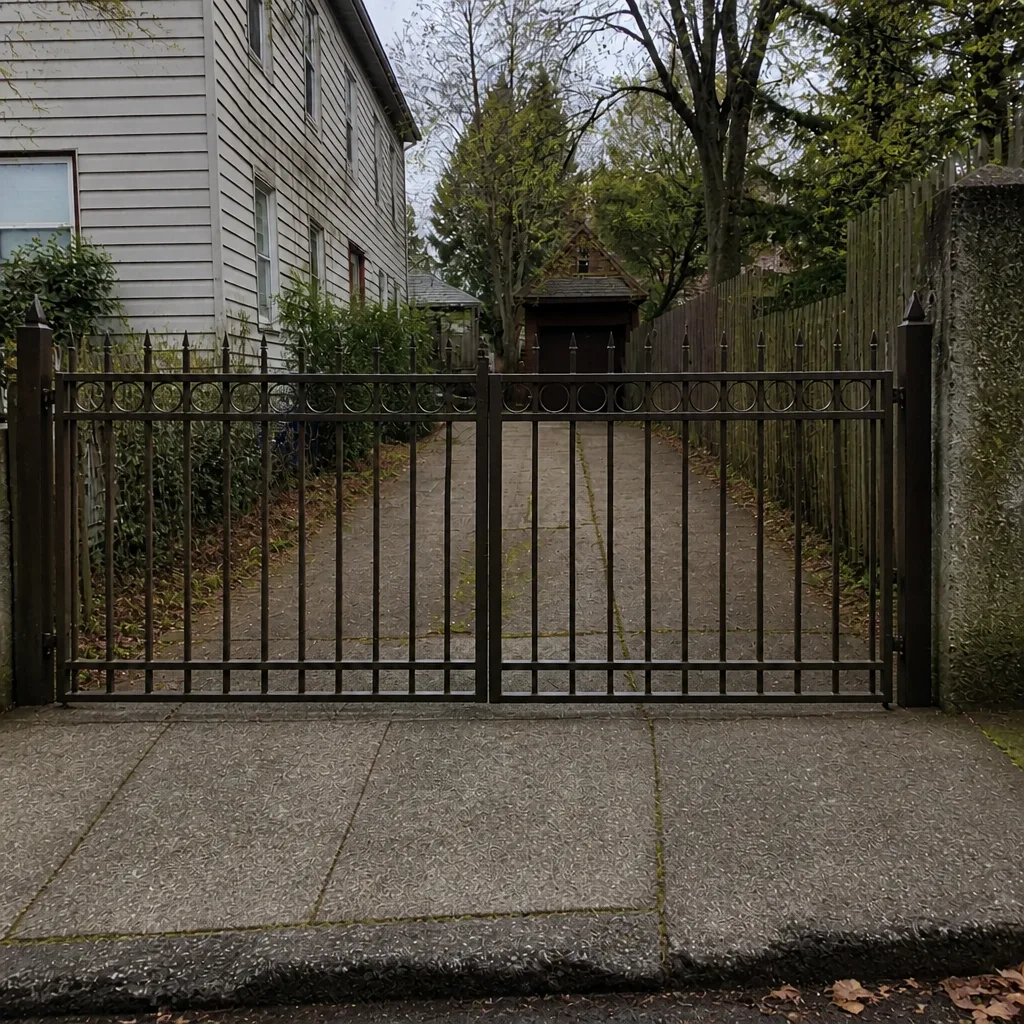
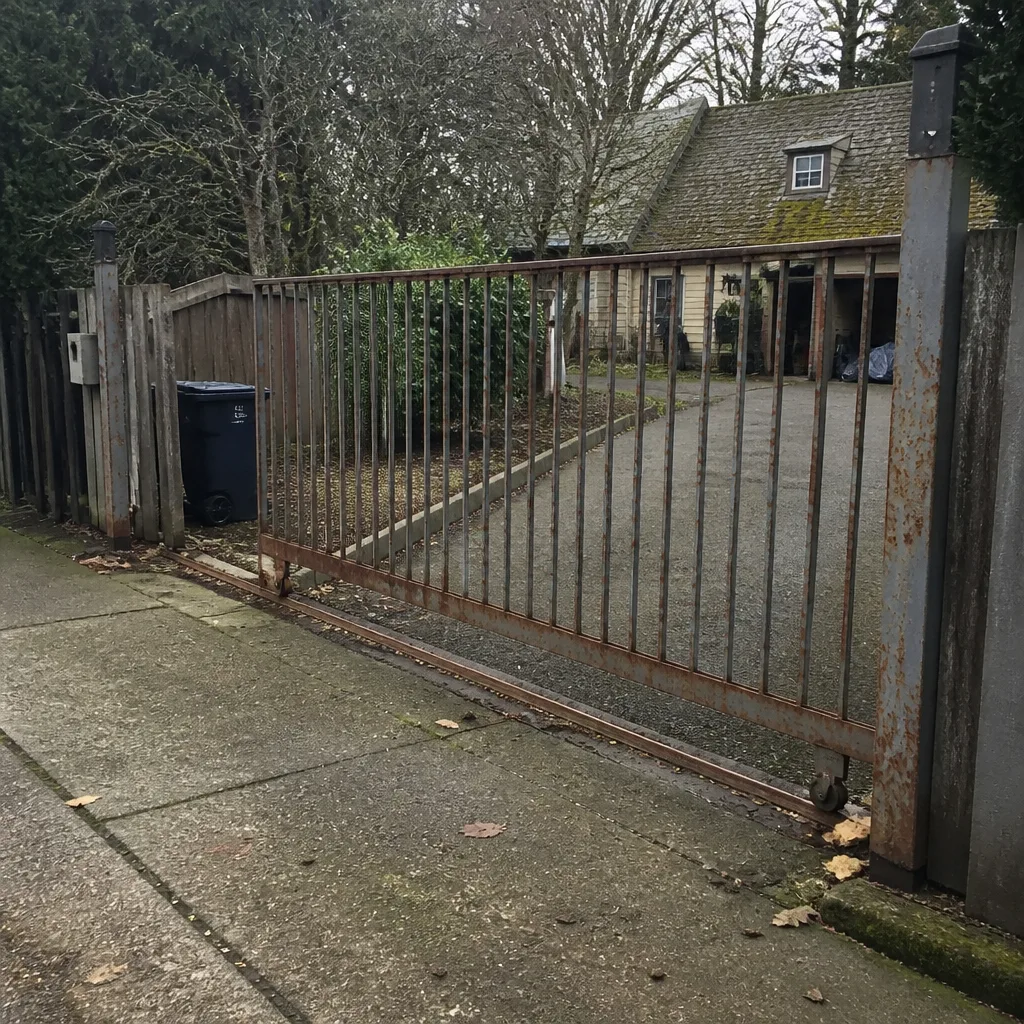
See the difference
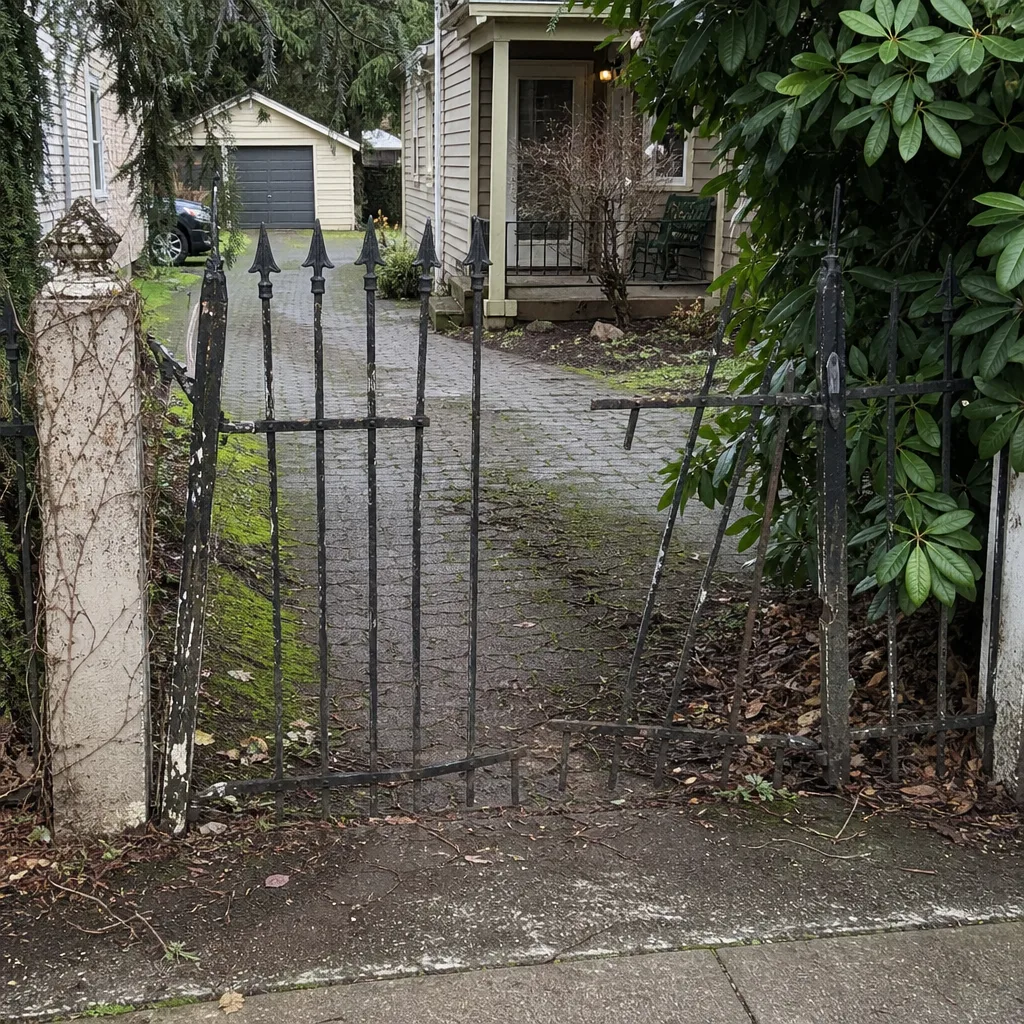 Before
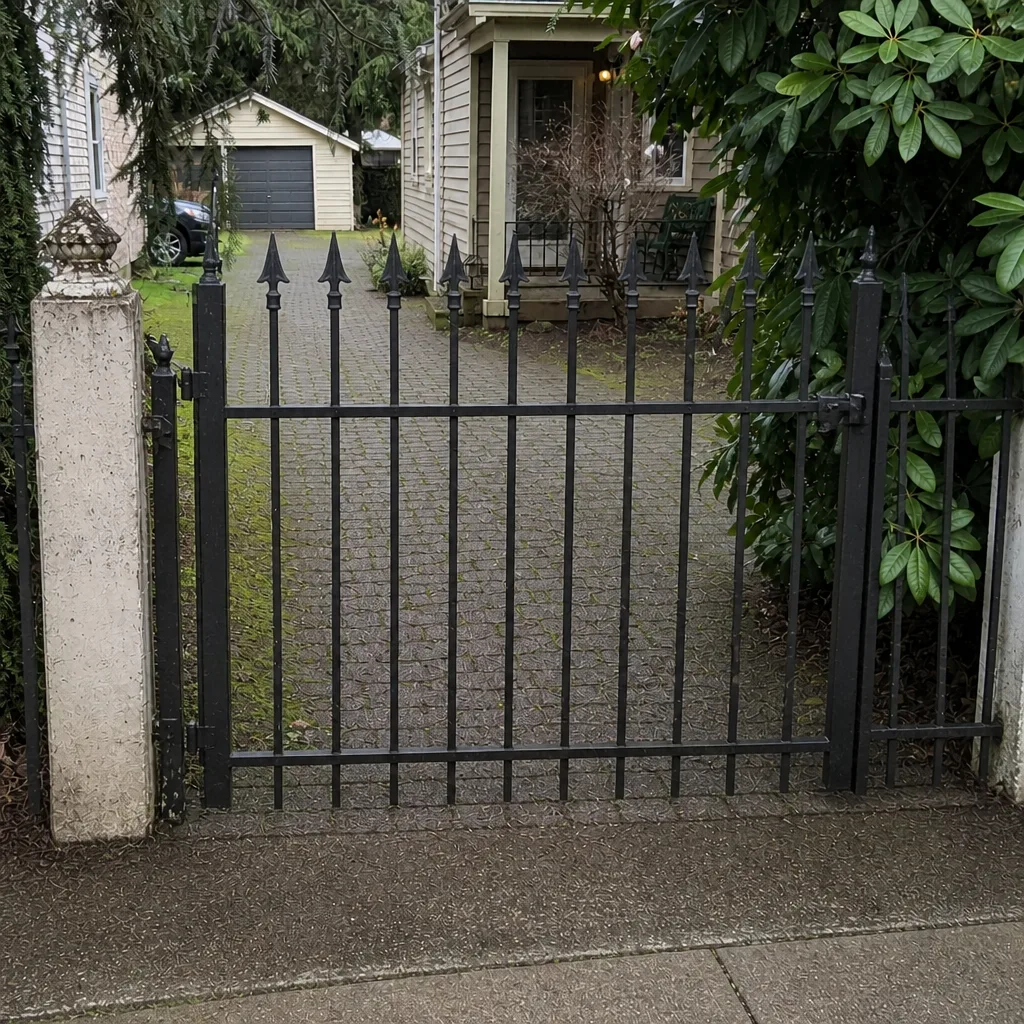 After
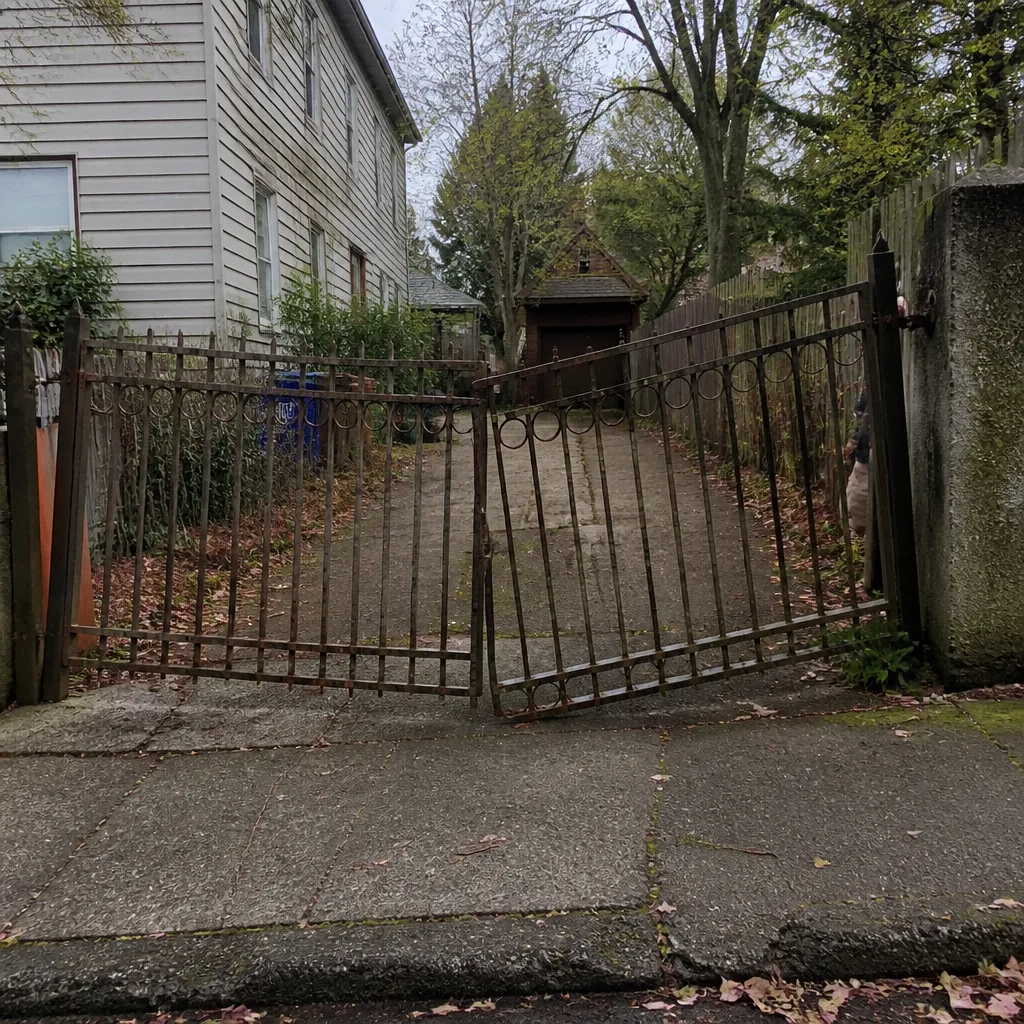 Before
 After
 Before
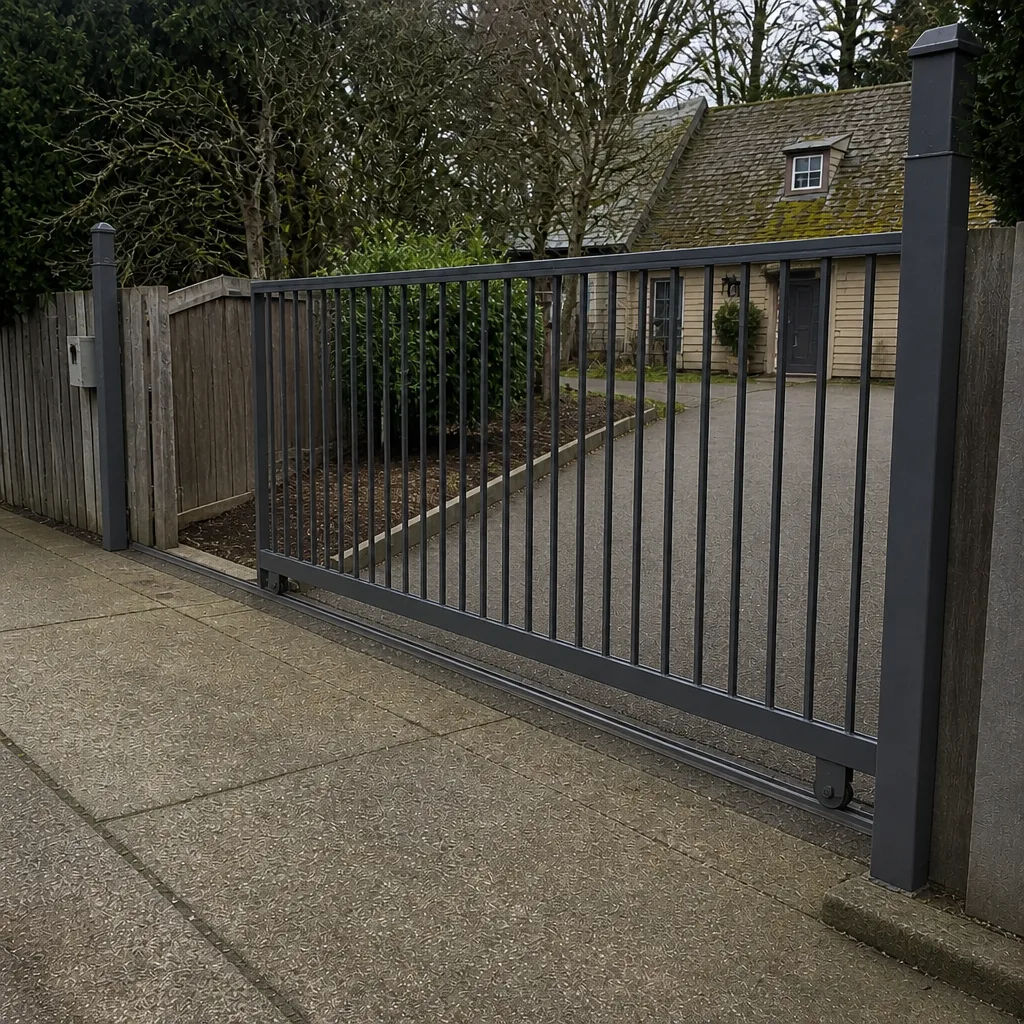 After
When to Call a Professional
Call a technician when the gate hesitates, reverses for no reason, makes a grinding or clicking noise, or fails to hold its position. Call sooner if you see a control board with moisture or scorch marks, a post that has shifted, or a photo-eye sensor that won’t reverse the gate on test. Those are the signs of an electrical or structural fault that homeowner maintenance can’t safely address.
Electric gate repair involves motor diagnostics, wiring, and safety-sensor alignment. Those need a trained hand. Gate Repair Pearl District offers free estimates in Pearl District, and our technicians have up to 9 years of experience diagnosing these systems. Call (833) 482-6184 to book a service visit.
Frequently Asked Questions
Quarterly for high-wear parts and annually for the operator, wiring, and control board. The quarterly pass covers hinges, pivots, fasteners, and photo-eye sensors. The annual pass covers the gearbox, limit switches, electrical connections, and all access devices. That split keeps you from over-maintaining low-wear parts and under-maintaining the ones that fail first.
A dry PTFE spray is the best lubricant for gate hinges and pivot bearings. It limits friction without leaving a sticky film that traps grit. White lithium grease is for the gearbox and gears, where load and washout are the concern. General-purpose spray lubricants shouldn’t go on bearings. If you’re unsure, call (833) 482-6184 for guidance.
Yes, as long as you stay with cleaning, inspection, and lubrication using the product the manual specifies. Cleaning photo-eye lenses, tightening fasteners, and testing the safety reverse are all homeowner-appropriate. Opening the gearbox, replacing a board, or resetting limit switches without the manual’s guidance can void coverage. For anything inside the operator, call a technician.
Pearl District’s wet winters drive corrosion on fasteners and moisture into electrical connections. A gate that hesitates or reverses oddly in rain often has a moisture fault at a terminal, sensor, or board. A two-minute corrosion check after heavy rain catches it early. If a gate fails repeatedly in wet weather, call (833) 482-6184 for a diagnostic visit.
Yes. An operator can work while its gearbox wears or its limit switches drift, and those strains show up as a failure later. Annual service catches gearbox wear and limit-switch drift before they damage the motor. It’s part of a gate motor & opener service that keeps a working gate working.
Don’t open the gearbox, replace a control board, rewire safety sensors, or reset limit switches unless the manual explicitly covers it. These involve the operator’s internals and its electrical side, where an error risks damage or a safety issue. Leave them to a trained technician. For those faults, call (833) 482-6184 and we’ll diagnose before recommending repair.
The Bottom Line
A gate maintenance routine works when it’s built around your actual components and your local climate, not a generic list. Prioritize hinges, pivots, and photo-eye sensors quarterly. Service the gearbox, limit switches, and wiring annually. Use a dry PTFE spray on bearings, white lithium grease on the gearbox, and nothing on electrical parts. Check for corrosion after wet winters. Know the line between homeowner maintenance and a warranty-voiding mistake. Keep the routine simple, and call a specialist when a fault points to the operator’s internals, its wiring, or its access controls.
Need help with a gate that’s hesitated, reversed, or gone quiet? Call Gate Repair Pearl District at (833) 482-6184 for a free estimate. Our technicians have up to 9 years of experience with every major gate brand, from Linear and Viking to Ghost Controls and DoorKing, and we diagnose and fix before we ever recommend replacement.
Written by the team at Gate Repair Pearl District.