Last updated November 25, 2026
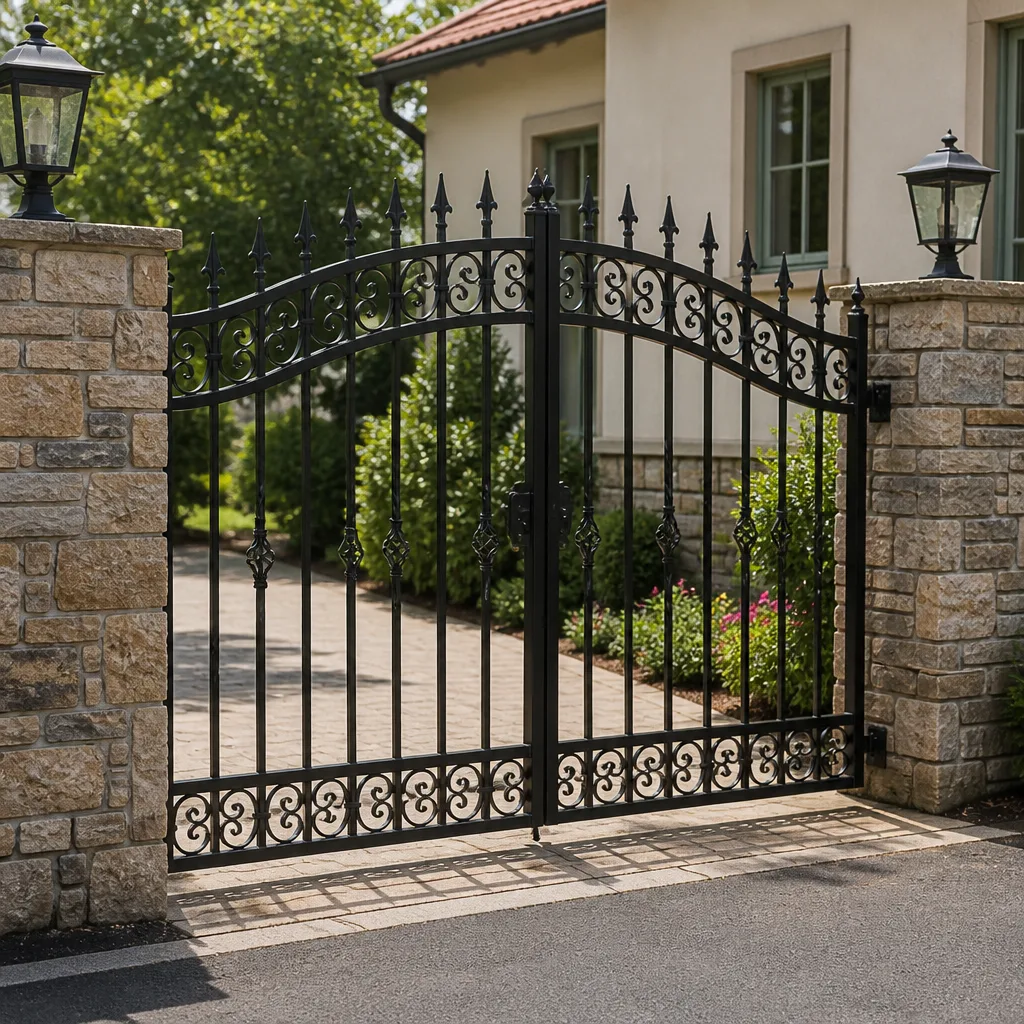 Wrought iron
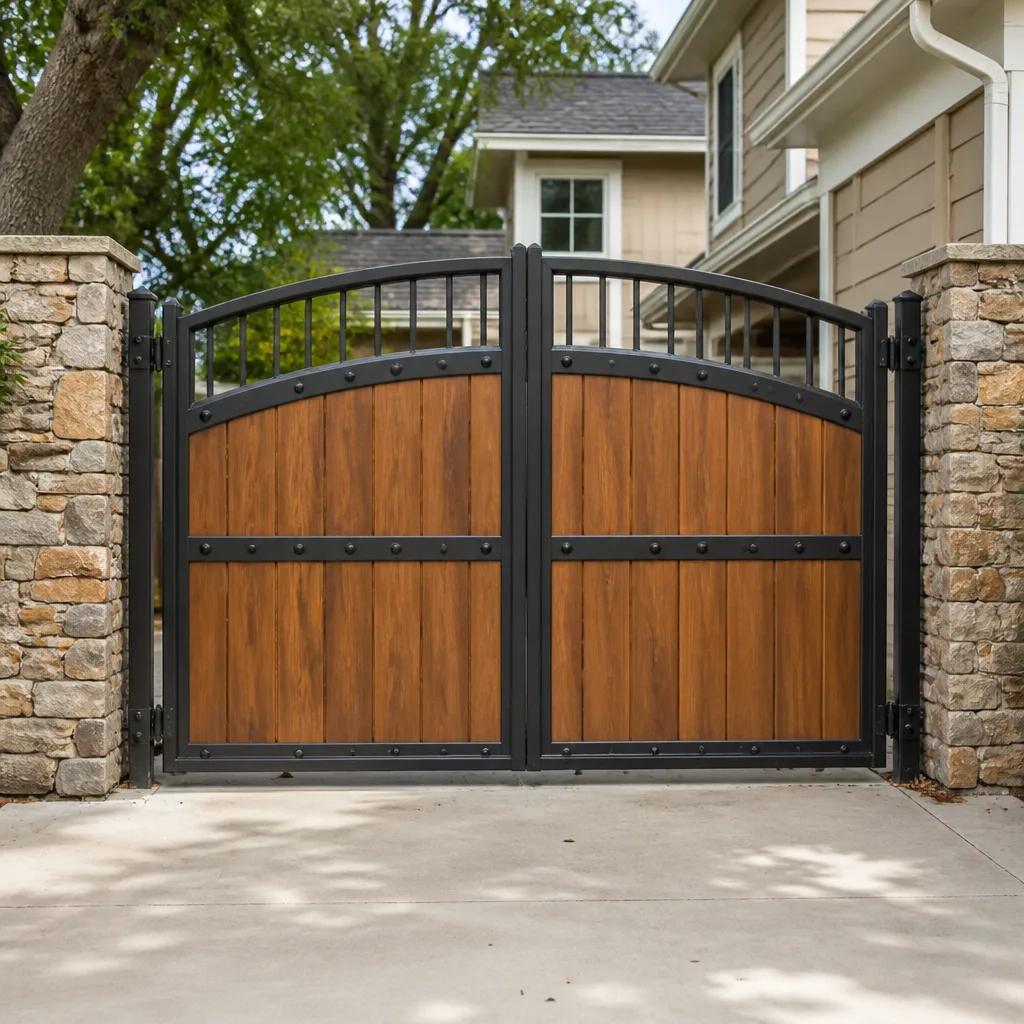 Wood & steel frame
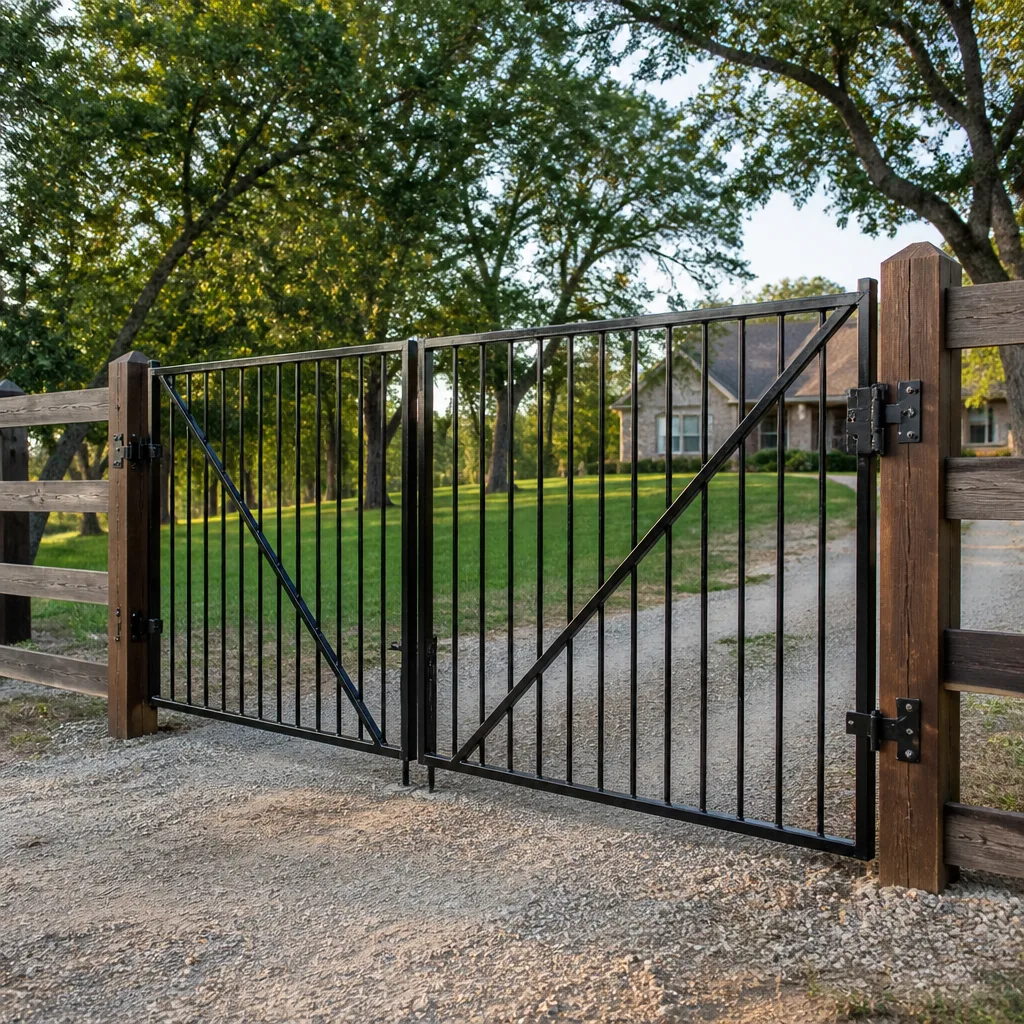 Farm & ranch
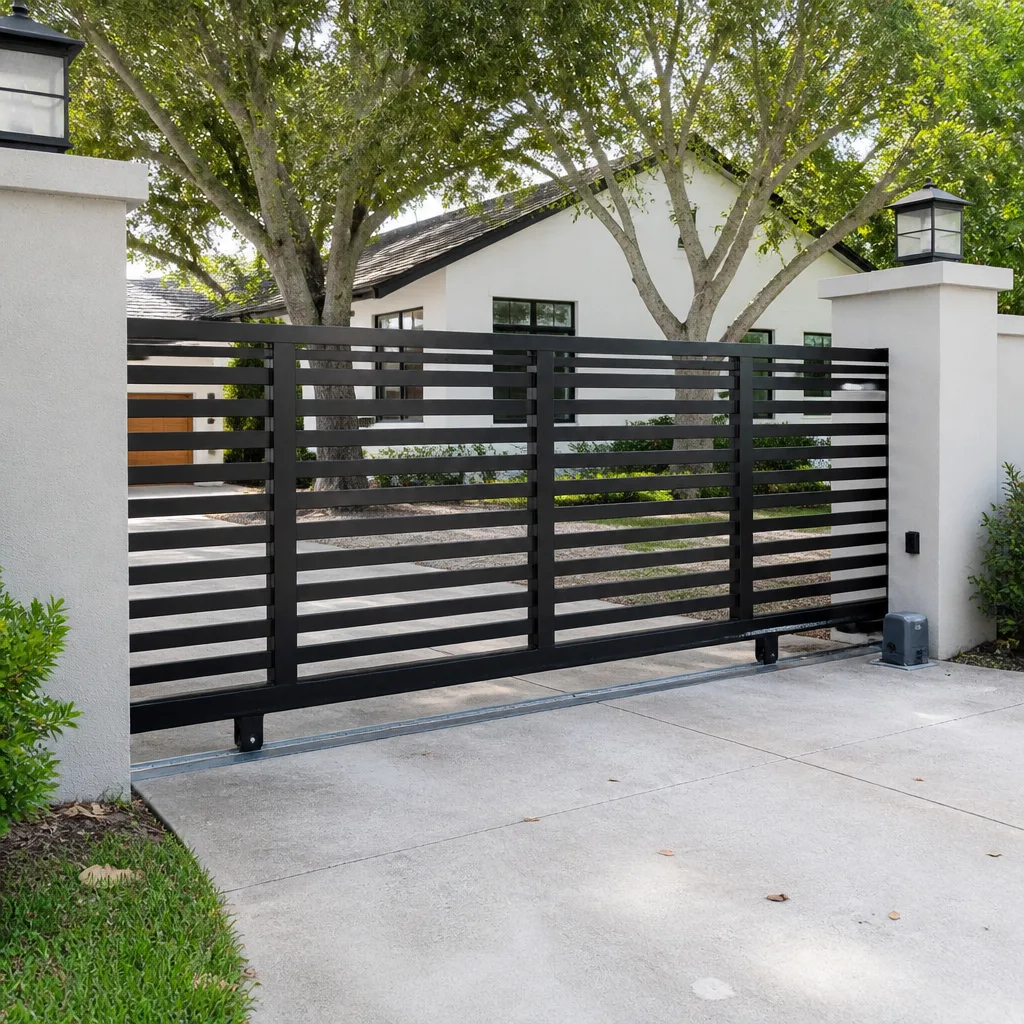 Sliding driveway gates
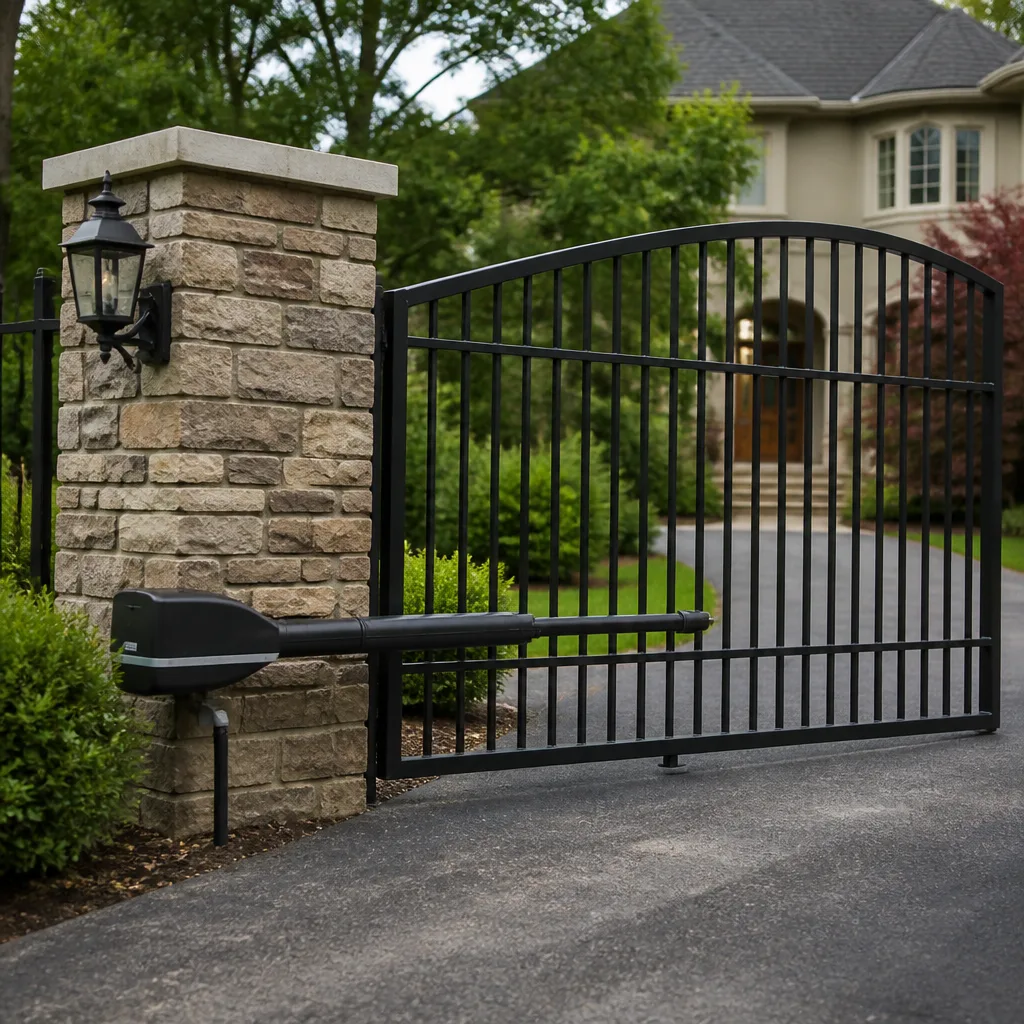 LiftMaster operators
Free on-site gate assessment - hinges, posts, and your LiftMaster or Nice gate operator checked before anything is quoted
The assessment is free and the quote is the invoice.
Get your free estimateSeasonal Gate Repair Care for Pearl District: Year-Round Homeowner’s Guide
Most gate problems in Pearl District don’t announce themselves with a bang or a storm. They build quietly over months, then surface all at once. October is when our call volume jumps, and it’s rarely because something dramatic happened. It’s because the dry summer heat has shifted the gate’s geometry just enough, and the first sustained rain exposes an alignment problem that’s been developing since July. A gate that ran smooth in August starts dragging, sticking, or stopping halfway. In this guide, we’ll walk you through the seasonal care checklist we use, why each step matters in Pearl District’s particular climate, and how to spot the warning signs before they turn into a motor replacement.
Styles & brands we work with
- Wrought iron
- Wood & steel frame
- Farm & ranch
- Sliding driveway gates
- LiftMaster operators
Quick Answer
Seasonal gate care in Pearl District means adjusting for the swing between wet, cold winters and dry, hot summers that move the ground, swell wood, corrode fasteners, and throw limit switches out of calibration. A simple fall, winter, spring, and summer checklist – drainage clearing, electrical inspection, sensor alignment, rust assessment, travel-stop adjustment, and an annual gearbox check – is the difference between a gate that lasts 15 years and one that needs major work in five.
Table of Contents
- Why Does Seasonal Gate Care Matter So Much in Pearl District?
- Fall Gate Preparation: Getting Ahead of the November Rain
- Winter: Freeze-Thaw Cycles and What They Do to Post Footings
- Spring Inspection: The Post-Winter Sequence
- Summer: Thermal Expansion and Travel Stop Adjustment
- The One Task Everyone Skips: Annual Operator Gearbox Inspection
- Brand-Specific Seasonal Checks for Your Gate Motor
- Common Mistakes to Avoid
- When to Call a Professional
- Frequently Asked Questions
- The Bottom Line
Why Does Seasonal Gate Care Matter So Much in Pearl District?
Pearl District’s climate isn’t simply “rainy.” It swings. Wet, cold winters soak into concrete and wooden posts, swelling wood and slowly corroding ferrous hardware. Then three or four months of dry summer heat push the other way, expanding metal gate frames and shifting the ground that holds the posts. Each season pulls on the gate in a different direction, and a gate that isn’t checked and adjusted along the way ends up fighting its own operator.
That structural back-and-forth has a direct consequence for electric gates. Your operator (the motor and control board) is calibrated to a specific range of travel. A gate frame that’s expanded by a quarter inch or a footing that’s risen slightly out of level can push that travel past what the limit switches expect. The operator keeps running, hits resistance, and either trips out or works harder than it should. That extra effort adds up over a season or two and shows up as a burnt-out motor that never had anything wrong with it internally.
We’ve seen plenty of gates fail that would have been fine with one adjustment each season. Seasonal care isn’t about polishing the gate. It’s about keeping the gate and its operator working from the same set of measurements after the ground and the metal have moved. If your gate is already showing symptoms, our gate repair page covers what a diagnostic visit looks like, but this guide is about avoiding that visit in the first place.
Key takeaways for Pearl District homeowners:
- Wet winters and dry summers pull gate geometry in opposite directions, and the operator feels every shift.
- A gate that doesn’t get seasonal adjustment will eventually overwork the motor and shorten its life.
- Most seasonal tasks are visual checks and small adjustments, not repairs.
- The single biggest missed task is the annual operator gearbox inspection.
Fall Gate Preparation: Getting Ahead of the November Rain
Fall is the most important season for gate care in Pearl District because it’s the one you can do proactively. By October, the summer’s dry heat has already shifted your gate’s alignment, and the November rain season is coming to expose it. Three tasks matter most.
1. Clear drainage channels around gate posts
Water pooling at the base of a post is the leading cause of footing problems and rust. Before the rain comes, clear any debris, leaves, and soil that’s built up around the base of each post. Check that the ground slopes away from the post rather than toward it. If your gate sits near a low spot in the property, a shallow drainage channel or gravel bed will keep standing water from soaking into the concrete footing all winter.
2. Check weatherstripping on pedestrian gates
If your gate includes a pedestrian walk-through, the weatherstripping on that gate face takes the most water of any part of the system. Worn weatherstripping lets water into the gate frame, where it sits and swells the wood or corrodes the metal. Run your hand along the sealing edge before the wet season starts. Any gap, crumbling foam, or missing section should be replaced.
3. Re-calibrate limit switches after summer
This is the step most homeowners miss. The limit switches tell your operator where “fully open” and “fully closed” are. After a summer of thermal expansion, those positions may have shifted just enough that the gate now stops a hair short or over-travels slightly. The fix isn’t to raise the sensitivity of the operator – it’s to reset the limits so the gate and motor agree on where the gate should be. A gate that consistently stops a few inches off the mark in October is a gate whose limits need calibrating, not a gate on its way out.
If your gate stops responding entirely once the wet weather starts, that’s usually an electrical or access-panel issue rather than a limit switch. Our gate motor & opener service covers those diagnoses, but a fall checklist is the cleaner route.
Winter: Freeze-Thaw Cycles and What They Do to Post Footings
Pearl District’s winter isn’t just wet. It’s wet and cold enough that freeze-thaw cycles work on the concrete footings that hold your gate posts. When water in the soil around a footing freezes, it expands. When it thaws, it contracts. Repeated cycles gradually move a poorly drained footing up and slightly out of level. The gate frame it supports then tilts or twists, and the operator has to fight the tilt every time the gate runs.
You can’t stop freeze-thaw cycles, but you can watch for the visual signs that a footing is starting to heave:
- A visible gap opening between the bottom of the post and the ground, or concrete lifting above surrounding soil.
- Hairline cracks radiating out from the base of the footing.
- Ground that looks pushed up or “bubbled” near the post.
- A gate that now hangs out of plumb when open, even though it was level in October.
- A gate that runs into resistance at a specific point along the track, consistently, and gets worse after a freeze.
The urban soil conditions in Pearl District can make this worse than in rural areas. Compacted soil and limited drainage around urban footings hold water longer. If you spot any of the signs above, don’t try to re-level the gate yourself – the footing needs to be assessed before you adjust anything that hinges on it. Winter also isn’t the time for a major gate project. Save gate installation planning for spring.
Spring Inspection: The Post-Winter Sequence
Spring is the time to find what winter did. Work through this sequence in order, because each step depends on the one before it.
- Electrical connections. Open the operator housing (with power off) and check that all connections are clean and tight. Winter moisture gets into housings through worn gaskets, and a green or white residue on a terminal is corrosion. Any connection that looks crusty needs cleaning and resealing, not just tightening.
- Sensor alignment. The safety sensors on an electric gate need to see each other clearly. Winter ground movement often shifts a sensor by a fraction of an inch, which is enough to cause intermittent faults. Check that both sensors are level, unobstructed, and aligned.
- Rust assessment on ferrous hardware. Look at hinges, brackets, bolts, and the gate frame itself. Surface rust on a hinge is a warning; structural rust at a weld point is a repair. Rusted hinges bind the gate and force the operator to work harder.
- Battery and backup check. If your operator has a battery backup, a winter of cold can drain it. A weak battery shows up as the gate failing to open during a power cut or running slowly in the morning.
- Full travel test. Run the gate through several full open-close cycles and watch for hesitation, grinding, or a change in speed. The first few cycles after winter are the most revealing.
Do these checks once in March or April and you’ll know exactly what, if anything, needs fixing before the summer heat arrives.
Summer: Thermal Expansion and Travel Stop Adjustment
Summer is the quiet season for gate problems in Pearl District – and the season that sets up the fall. Metal gate frames expand in the heat. A sliding gate that ran perfectly in April can start binding in July because the frame has grown a few tenths of an inch against its track. A swing gate can develop a slight sag in the middle of a hot afternoon that disappears by evening.
The task that matters most in summer is adjusting the travel stops before the operator has to fight the expanded gate. Travel stops are what limit how far the gate physically travels at each end. If the gate’s expanded position no longer fits the stop, the operator stalls or over-travels, and both stress the motor.
Adjustment sequence for a hot afternoon:
- Power the gate down at the operator or breaker.
- Open and close the gate by hand and feel for any binding or hard spots.
- Look at the physical stops. If the gate is now hitting them early or not reaching them, they need to be moved.
- Adjust the stop position slightly, then re-engage power and run a full cycle.
- Repeat if needed. Small adjustments, not large ones.
On many machines – Elite and Viking operators in particular – the limit switches work alongside the physical stops. Setting one without the other leaves you with a gate that hits the stop before the limit switch engages, or vice versa. If you’re not sure which mechanism you’re looking at, don’t guess; limit switch calibration on an electric gate is the kind of work that goes wrong quietly and shows up once the gate is trying to close on something.
The One Task Everyone Skips: Annual Operator Gearbox Inspection
If there’s a single seasonal task we’d put at the top of the list, it’s the annual operator gearbox inspection. Most homeowners skip it because the gate is working and there’s no obvious symptom. That’s exactly why it matters. The gearbox is the part of the operator that turns the motor’s spin into the movement that drives your gate. It runs in grease, under load, every time the gate opens or closes. Over a year, the grease can thin, the gears can wear unevenly, and the box can slowly accumulate moisture if the seals are aging.
The inspection is simple. We check the grease condition, look for metal filings that would suggest gear wear, verify the gearbox seals, and confirm the gear lash is within spec. That’s it. Fifteen to twenty minutes of attention.
What happens when it’s skipped: the gearbox fails under load, the motor burns out because it’s trying to drive a seized gearbox, and the homeowner ends up paying for a full motor replacement on a unit that had nothing wrong with its electronics. We’d estimate a large share of the motor replacements we see are preventable or at least postponable with a yearly gearbox check. A gearbox inspection is a minor cost against a full motor swap, and it’s the single highest-value line in this entire guide. If you’d like a one-time gearbox inspection, we book those as their own visit and give you a written price before we start.
Brand-Specific Seasonal Checks for Your Gate Motor
Every operator brand has its own quirks that seasonal care should account for. We work on operators from at least nine brands, and a few of them are worth specific notes here.
- DoorKing access systems: check the access panel’s weather seal and the keypad programming log each spring. Urban installations where pedestrian and vehicle traffic share a lane put more wear on the access side than the gate side.
- Elite slide operators: the physical stops and limit switches deserve a summer adjustment more than most brands’ swing operators, because slide gates take more of the thermal-expansion load.
- Ghost Controls solar and battery operators: battery health is a seasonal issue. A solar operator in a shaded urban lot in Pearl District gets less daily charging in the winter than in summer. Check the battery state at the start of fall and again in early spring.
- Viking swing operators: hinge wear is the main seasonal concern. If the hinges are binding, the operator works against the binding, not against the gate’s weight alone.
Those four are examples, not a full list. If you own a different brand, the seasonal checklist in this guide still applies. Our technicians work on LiftMaster, FAAC, BFT, Linear, Viking, Ghost Controls, DoorKing, Elite, and Mighty Mule, and because we’re brand-agnostic, we don’t push a full replacement when a brand-specific adjustment or repair will solve the problem. Our Gate Repair Pearl District page has more on how that works, and if you want to know more about who we are, this seasonal guide is a good place to start.
Common Mistakes to Avoid
- Assuming a slow gate is a dying motor. Most slow gates in Pearl District are fighting a seasonal alignment, a rusted hinge, or expanded metal. Diagnose the gate before replacing the motor.
- Turning up the sensitivity. When a gate stalls, some homeowners raise the operator’s sensitivity threshold so it “works through” the resistance. That threshold is a safety feature, and turning it up defeats the mechanism that stops the gate on contact. Fix the resistance instead.
- Ignoring the footing. A gate that’s tilted is a footing problem, not a gate problem. Trying to rehang or re-level a gate on a footing that’s still heaving is temporary at best.
- Skipping the gearbox because everything works. The whole point of an inspection is to catch wear before it causes a failure. A gate that’s working fine can still have a gearbox that’s six months from trouble.
- Using general-purpose grease. Gate operators want the grease spec’d for their gearbox. The wrong grease can thin out faster in summer heat or harden in winter cold, both of which wear the gears harder.
- Leaving debris around post footings. Urban lots in Pearl District collect leaves and street debris against gate posts in ways rural properties don’t. That debris holds moisture and accelerates both corrosion and footing problems.
When to Call a Professional
Some seasonal checks are visual and you can do them yourself. Others involve live electrical components, tensioned mechanisms, or a gate that could crush or trap if it moves while you’re working on it. Call a professional if you see any of the following: the gate does not stop when it’s supposed to; the gate reverses unpredictably; there’s arcing, buzzing, or a burning smell at the operator; the gate frame is visibly out of plumb; a footing looks cracked or heaved; the operator trips its breaker; the safety sensors are misaligned or unresponsive; or the operator runs but the gate doesn’t move. Any of those is a symptom of a problem you shouldn’t test with your own hands. Gate Repair Pearl District offers free estimates in Pearl District – call (833) 482-6184 and we’ll take a look. Estimates are free and the price is agreed before any work begins.
Frequently Asked Questions
Twice a year is the minimum: once going into the rainy season and once at the start of spring. Pearl District’s swing between wet winters and dry summers moves the gate in both directions, so each half of the year deserves its own check.
The most common sign is a gate that stops a few inches short of where it used to when it fully opens or closes. That’s the summer thermal expansion shifting the gate past its limit switch positions. Re-calibrating the limits and clearing drainage around the posts before November usually addresses it.
Usually not. Some added resistance in July and August is normal thermal expansion, especially on a metal gate. It’s worth adjusting your travel stops so the operator isn’t fighting the expanded gate, but a slightly stiffer summer gate isn’t a failing one.
You can check them by running the gate through a full cycle and watching where it stops, but the adjustment itself on an electric operator is a job for a technician. Mistaking a limit switch for a stop, or setting the stop without the limit, leaves you with a gate that over-travels or hits its stop under full motor load. That’s the kind of mistake that damages the operator and creates a safety hazard.
We quote each job after we look at the specific operator, because the labor depends on access and on what we find. We’ll give you a written price before we start, and the inspection itself is routine. Give us a call at (833) 482-6184 and we’ll set up a visit.
We work on gates and operators from at least nine brands, including LiftMaster, FAAC, BFT, Linear, Viking, Ghost Controls, DoorKing, Elite, and Mighty Mule. If your brand isn’t on that list, call us anyway and we’ll tell you honestly what we can do. Our technicians have up to 9 years of experience, and the crew works on the gate system as a whole – the gate, the motor, the access panel.
The Bottom Line
Seasonal gate care in Pearl District comes down to staying ahead of the climate’s two opposing forces: winter wet and summer heat. Both move the gate, and if you don’t adjust the gate and operator to match each season, they end up fighting each other. The key tasks are clearing drainage in fall, watching for footing heave in winter, running the post-winter inspection sequence in spring, adjusting travel stops in summer, and never skipping the annual gearbox inspection. Handle those five, and your gate will outlast most. Ignore them, and the operator ends up paying for it.
If your gate needs a seasonal check or a current repair, call Gate Repair Pearl District at (833) 482-6184 for a free estimate. Estimates are free, the price is quoted and agreed before any work starts, and the local professional we connect you with is licensed and insured as their state requires.
Written by the team at Gate Repair Pearl District.
See the difference
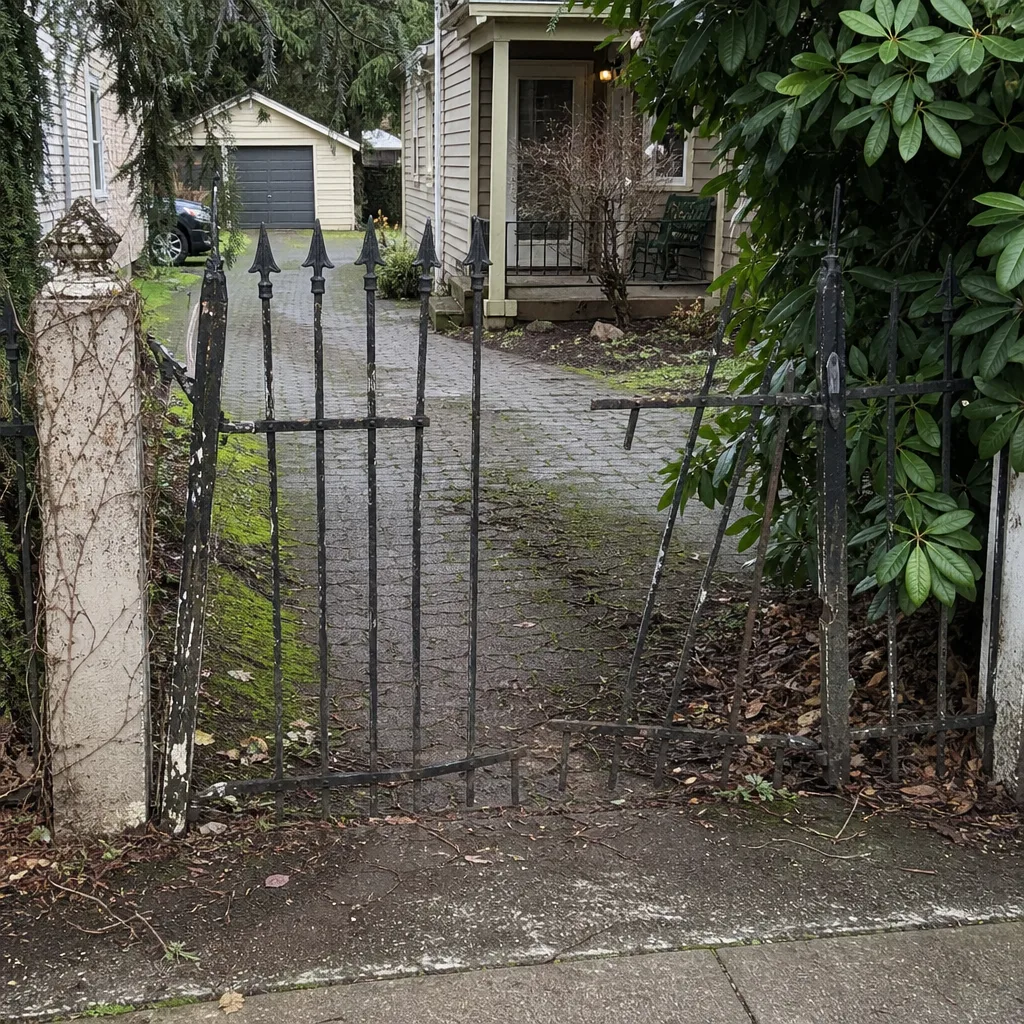 Before
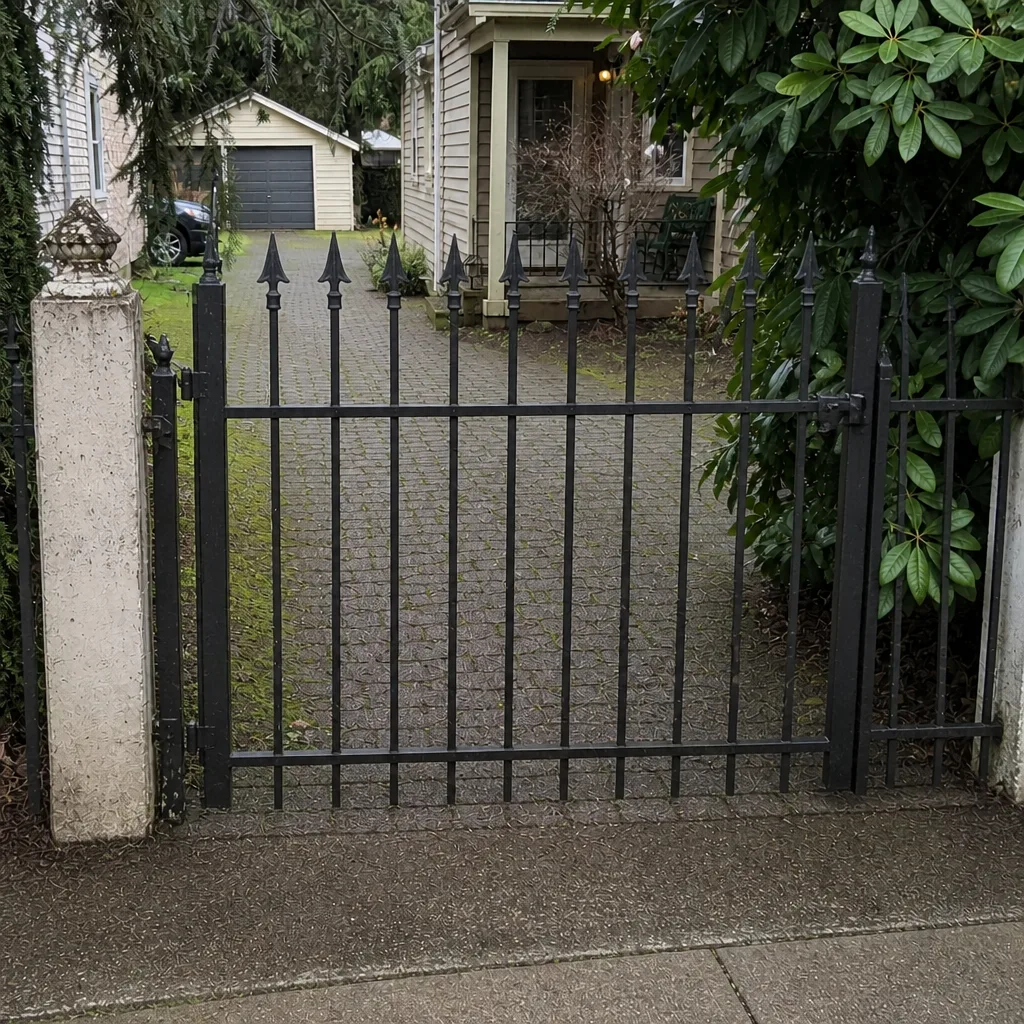 After
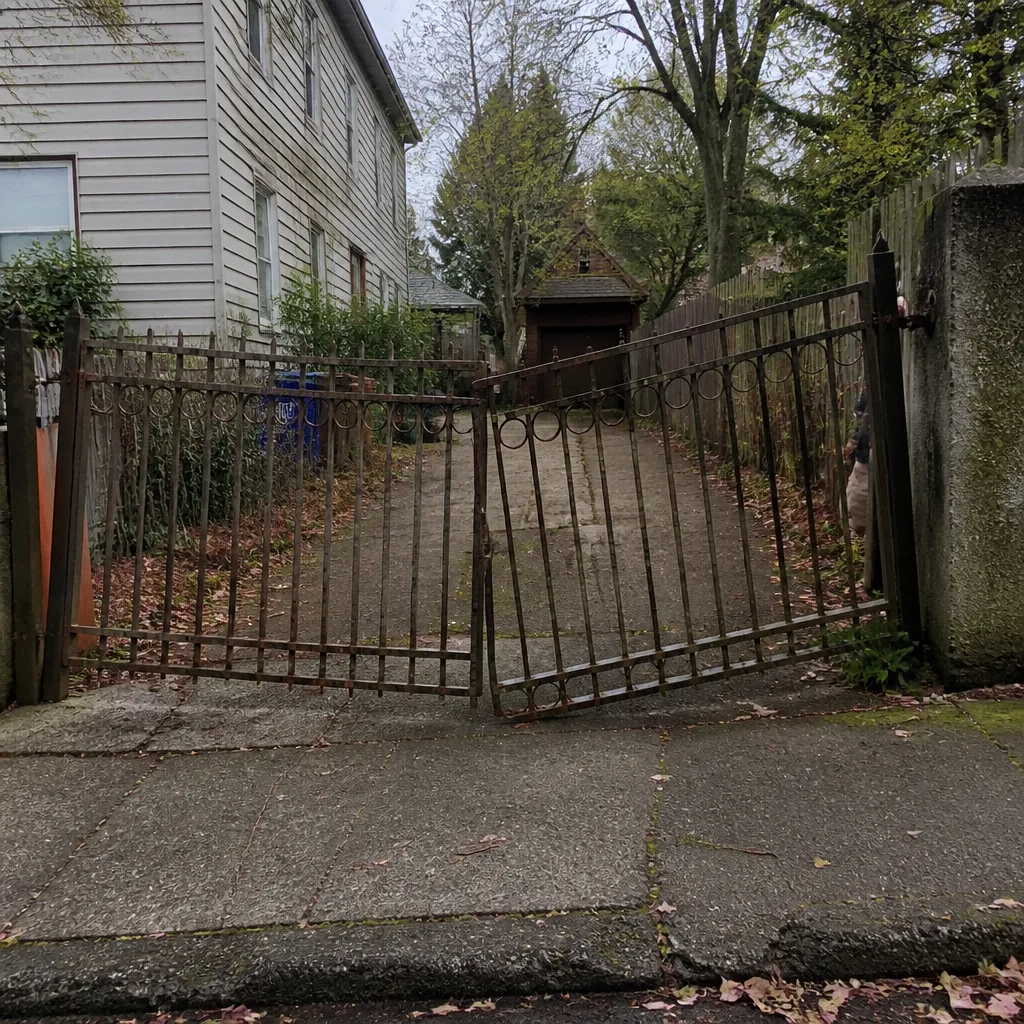 Before
 After
 Before
 After