Last updated November 25, 2026
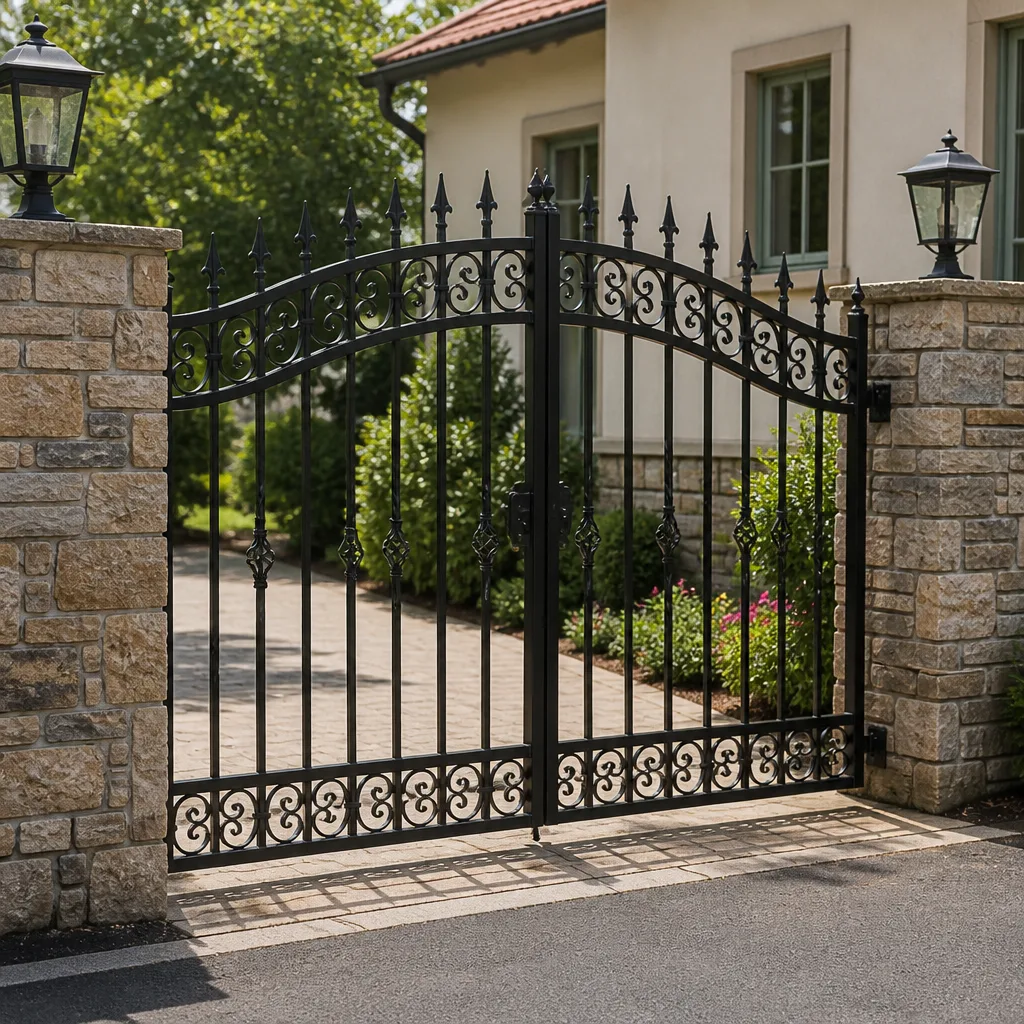 Wrought iron
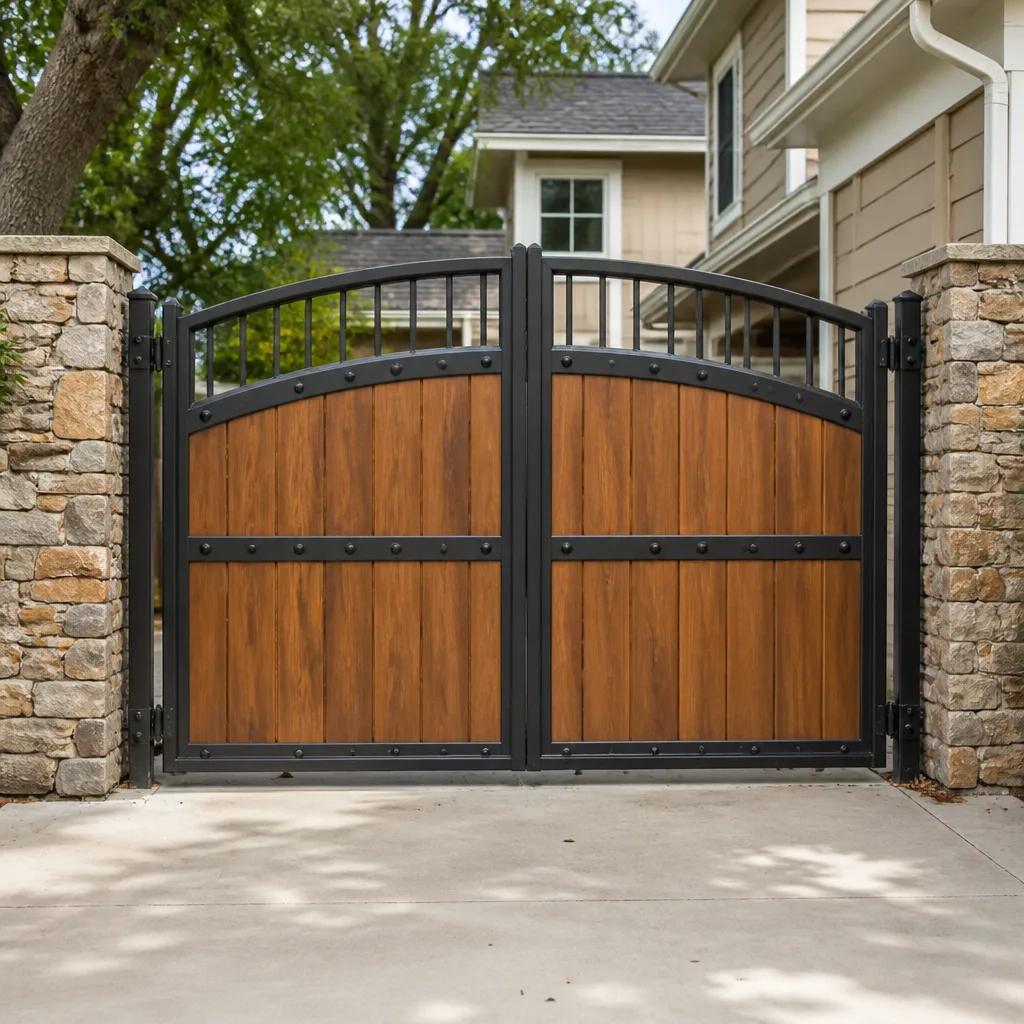 Wood & steel frame
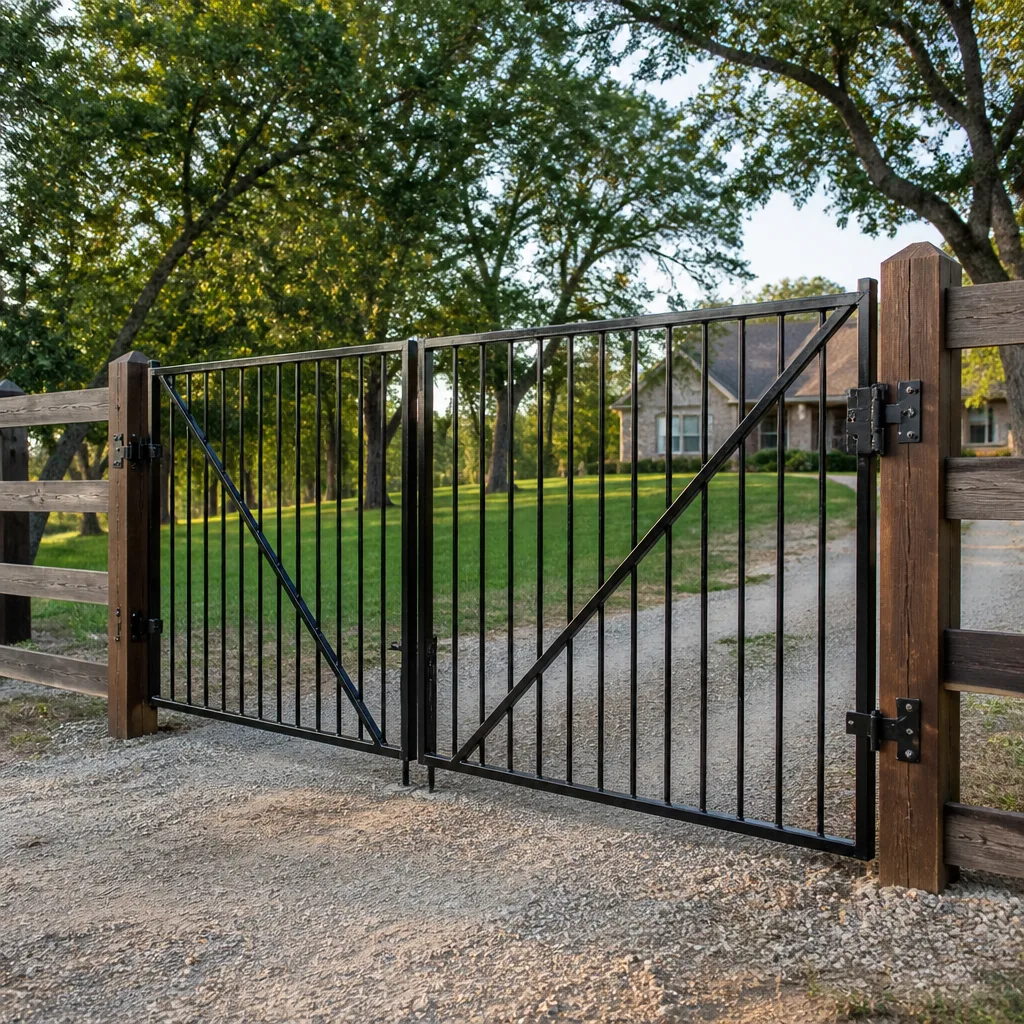 Farm & ranch
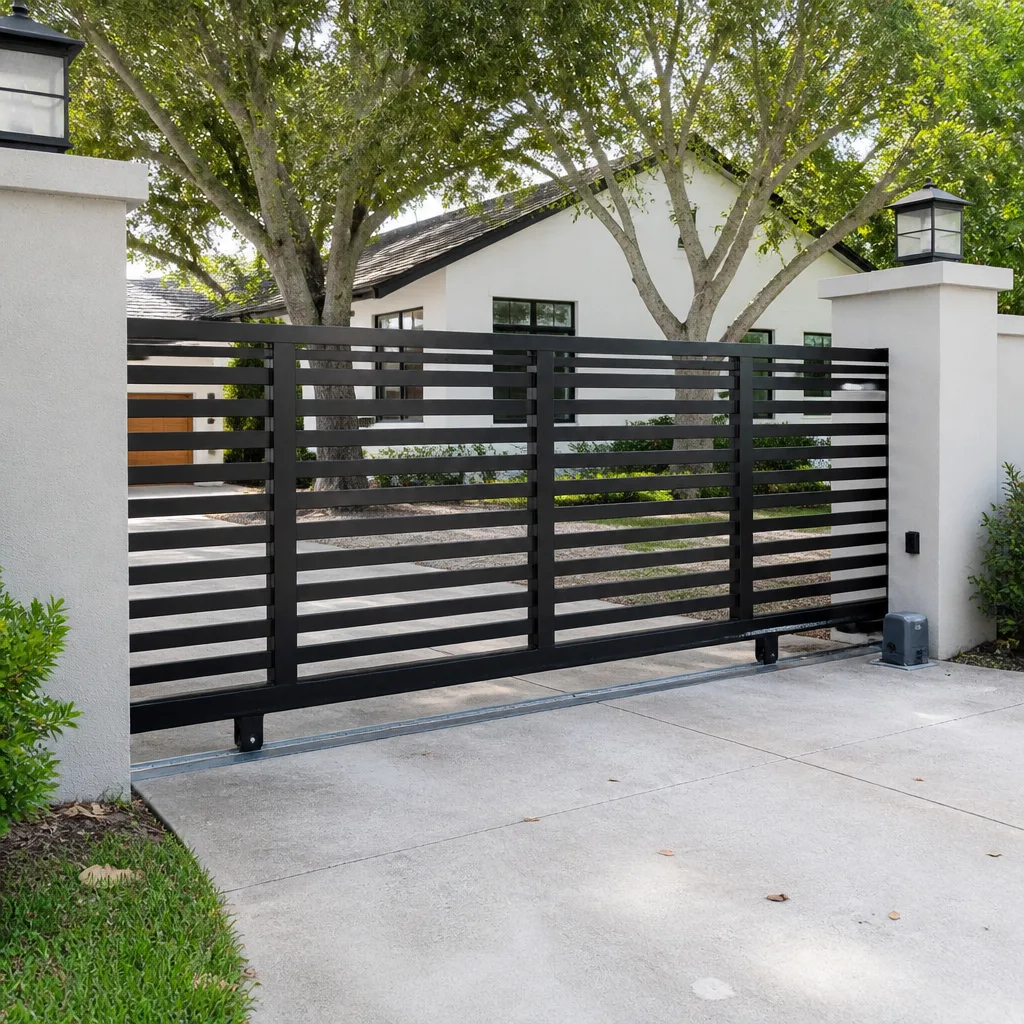 Sliding driveway gates
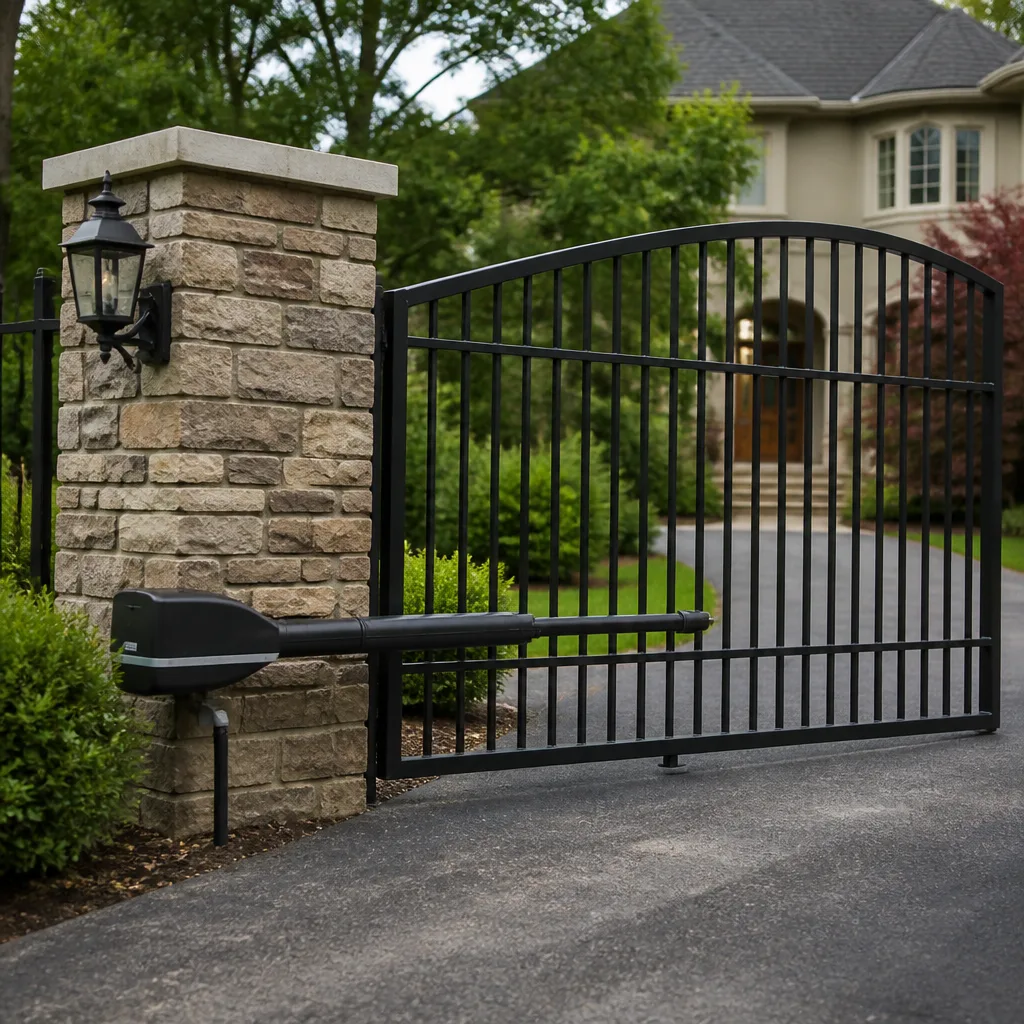 LiftMaster operators
Free on-site gate assessment - hinges, posts, and your LiftMaster or Nice gate operator checked before anything is quoted
The assessment is free and the quote is the invoice.
Get your free estimateChoosing the Right Gate Repair Brand: A Buyer’s Guide for Pearl District
Most gate buyers in Pearl District start with the wrong question. They compare the sticker price of two operators and pick the cheaper one, but the cost that actually hurts arrives later: a gate stuck open for a week while a replacement part ships across the country, or a board that costs more to diagnose than the whole opener did new. In our experience working on gates across Portland, the brand decision that matters most is boring and practical – whether that operator’s replacement parts and tech support are within reach when the gate stops. This guide explains duty cycle, parts availability, operator tiers, and what to verify before you commit to any brand.
Quick Answer
The right gate operator brand for a Pearl District property depends on three things, not on the price tag: duty cycle matched to actual traffic volume, replacement parts stocked in the Portland metro so a repair doesn’t wait a week on shipping, and manufacturer tech support your gate technician can reach. Residential gates usually do well with a mid-tier LiftMaster or FAAC operator, while multi-unit buildings and commercial entries need a commercial-rated unit such as DoorKing or a heavy-duty BFT or Viking model. Match the operator to your gate’s weight and usage before you buy, and the brand choice becomes straightforward.
Styles & brands we work with
- Wrought iron
- Wood & steel frame
- Farm & ranch
- Sliding driveway gates
- LiftMaster operators
Table of Contents
- What duty cycle actually means for your gate
- Portland-area parts availability by brand
- The three operator tiers, explained with real gate scenarios
- Brand strengths for the Pearl District context
- Why mounting structure decides brand success
- A buyer’s checklist before you commit
- Repair versus replace: how brand knowledge changes the math
- Putting it together: sizing, ordering, and installation
What duty cycle actually means for your gate
Duty cycle is the percentage of any given hour a gate motor can run before it needs to cool. A 10% duty cycle rating means the operator is designed to run roughly six minutes out of every hour, then rest. That sounds generous, until you picture a condo building with 40 residents, delivery drivers, contractors, and dog walkers all cycling through the same gate during the morning rush. In our experience, that traffic pattern blows past a light-duty rating far faster than the manufacturer’s specification suggests.
Here’s the plain-language version:
- Light-duty residential operators are rated for a handful of open/close cycles per hour. They suit a single-family home where the gate opens when you leave for work and closes when you come back.
- Heavy-duty residential operators handle more cycles and heavier gate panels. They’re built for a busy household, a small office, or a gate that cycles dozens of times a day.
- Commercial operators are rated for continuous, high-volume traffic. A 40-unit building, a parking garage entry, or a loading area should be running a commercial-rated motor, not a residential one stretched past its spec.
Duty cycle matters in Pearl District because the neighborhoods along the river include both quiet single-family blocks and dense condo buildings within a short walk of each other. The same brand that performs perfectly on one property will burn through boards and motors on another. Before you pick a brand, count how many times your gate actually opens on a typical day, not how many times you think it will.
Portland-area parts availability by brand
A gate that’s down for a week waiting on a shipped actuator costs more than the difference between any two brands. That’s the point most buyers miss. Parts availability is not something you read on the product page – it’s about whether a local distributor carries that brand’s boards, motors, sensors, and remotes, or whether every repair is a factory-direct order with a multi-day lead time.
What we see in the Portland metro:
- Widely distributed brands such as LiftMaster and Linear have deep dealer and distributor networks in the area. Common boards, remotes, and safety edges are often on hand at a local supply house, meaning a repair can turn around quickly.
- Pro-grade brands such as FAAC and BFT are well supported through specialized gate and access-control distributors. Parts are accessible, but you’ll want a technician who already knows the model family so the right part gets ordered the first time.
- Heavy commercial brands such as DoorKing bring excellent access-control hardware, and their keypads, intercoms, and control boards are commonly stocked through commercial gate suppliers in the metro.
- Consumer and prosumer brands such as Mighty Mule and Ghost Controls are easy to find new, but their replacement parts often ship from the manufacturer or a single big-box supplier. That’s fine for a backup gate at a weekend property, not ideal for a gate 40 people depend on every day.
When you’re comparing two brands at similar prices, ask a technician which one has parts on hand in Portland. That one question changes the lifecycle math more than any spec on the brochure.
The three operator tiers, explained with real gate scenarios
Gate operators fall into three broad tiers, and putting a gate in the wrong tier is one of the most common – and most expensive – mistakes we see. Here’s how the tiers map to Pearl District gates.
Tier 1: Light-duty residential
These operators drive a single swing or slide gate under roughly 400 pounds on a property where the gate opens and closes a dozen or so times a day. A courtyard gate at a Pearl District townhome, or a driveway gate on a quiet block, is a Tier 1 fit. A LiftMaster or FAAC unit in this class does the work comfortably for years when it’s matched to the panel weight.
Tier 2: Heavy-duty residential
Heavy-duty residential operators are built for larger, heavier panels and more frequent cycles. A long drive gate with a solid wood or ornamental metal panel, or a small office with hourly foot traffic, belongs here. Viking operators carry a reputation for longevity in the wet climate we get in Portland, which makes them a good fit for Tier 2 gates that stay exposed to rain year-round. BFT’s heavy-duty residential line is another solid choice at this level.
Tier 3: Commercial
Commercial operators handle continuous cycling and interface with access-control hardware. A 40-unit condo building, a shared parking entry, or a retail lot with a keypad and intercom belongs in Tier 3. DoorKing dominates this tier for a reason – its access-control integration is deep and built for exactly this kind of traffic. A light-duty operator installed on a 40-resident building is the classic mis-tier, and it usually shows up as a motor that dies well before its time.
Brand strengths for the Pearl District context
All the major brands work. They simply excel in different places. Knowing where each one shines is how you avoid paying for capability you don’t need, or missing a feature you’ll wish you had.
- LiftMaster is a strong fit for multi-unit buildings and modern residential gate access. Its smartphone integration and app-based access controls make it easy to issue and revoke credentials for residents, delivery drivers, and guests without cutting new keys or reprogramming the whole panel.
- Viking has earned a reputation among gate technicians for longevity in wet climates. Portland’s long rainy season is a real stress test on gate hardware, and Viking operators tend to hold up well on exposed residential gates.
- DoorKing is the go-to for commercial access control, with keypads, intercoms, and gate entry systems designed for buildings that need to track and manage every entry. It’s the operator we see most often at Pearl District buildings with shared driveway entries and multiple tenants.
- FAAC and BFT round out the pro-grade residential and light-commercial lineup. Both are European brands with strong engineering, and both have solid local parts access through specialty gate distributors in the Portland area.
The point isn’t to crown one brand. It’s to match the brand to the scenario. A 40-unit Pearl District building needs LiftMaster’s smartphone integration or DoorKing’s access control; a single-family gate on a wet, wind-exposed corner of the neighborhood is often better served by a Viking operator that shrugs off rain.
Why mounting structure decides brand success
A name-brand operator bolted to an undersized post or a weak hinge is a common installation mistake in Pearl District, and it’s one no brand can overcome. Gate operators are specified against the gate panel’s weight, width, and the structure that carries it. If the post flexes, the hinges sag, or the concrete pad is too thin, the operator works harder every cycle and fails early, no matter how much you paid for it.
Before committing to any brand, verify:
- Gate weight and width against the operator spec. The operator’s rated capacity has to exceed the panel weight with margin, not sit right at the limit.
- Post and hinge condition. A solid, correctly anchored steel post and smooth-running hinges are the foundation of any reliable gate motor.
- Concrete pad depth and level. Slide gates need a level track on a pad that won’t shift; swing gates need a pad sized to the arm’s mounting plate.
- Drainage and clearance. Gates near a slope or drain need clearance under the panel so the operator isn’t fighting ground movement through Portland’s wet season.
- Wiring route. Power and control cable routing has to be planned before the operator arrives, not after.
This is where a gate specialist saves you money. A general contractor can hang a gate, but a specialist knows that the wrong mounting structure will void a brand’s reliability even before it ships. It’s also why we always measure the gate before we recommend a brand, not after.
A buyer’s checklist before you commit
Use this checklist when you compare brands. It turns a vague “which brand is best” question into a decision you can actually make.
- Count the cycles. Note how many times the gate opens on a typical busy day. Multiply by 30 for a rough monthly figure and note the peak hour. This picks your tier.
- Weigh and measure the gate panel. Weight, width, and swing or slide type. The operator has to match this spec, not the other way around.
- Ask about local parts. Ask a technician which brand’s boards, motors, and sensors are stocked in the Portland metro versus shipped factory-direct.
- Check access-control compatibility. If you’ll use a keypad, intercom, or smartphone entry, confirm the brand supports the system you want without a separate controller.
- Confirm the warranty terms for your tier. A commercial warranty differs from a residential one, and duty cycle is usually part of the equation.
- Get an on-site estimate. A written estimate that includes the operator and the mounting prep is the only real comparison point.
Run this checklist once and you’ll narrow the field to two or three brands quickly. That’s the moment to call a specialist and get the estimate nailed down.
Repair versus replace: how brand knowledge changes the math
When a gate stops working, the brand on the operator case changes what’s possible. A technician trained across brands can often fix a specific failure – a control board, a safety-sensor alignment, a remote that won’t pair, a wiring fault – without replacing the whole motor. That repair-first approach is where lifecycle cost actually comes down.
Common failures we see on Pearl District gates:
- Safety-sensor misalignment. A gate that reverses or refuses to close is often a sensor that’s out of line or dirty, not a dead motor.
- Control board faults. On a widely supported brand, the board is often stocked locally and can be swapped quickly. On a niche brand with shipping lead times, the same repair can shut the gate down for a week.
- Remote and keypad pairing. Access-control issues are often programming, not hardware, and a technician who knows the model can often solve them on a single visit.
- Wiring and power faults. Electric gates carry real voltage, and wiring problems should always be handled by a trained technician, not a handyman.
Because we work across LiftMaster, FAAC, BFT, Linear, Viking, Ghost Controls, DoorKing, Elite, and Mighty Mule, we don’t push toward replacement because we only know one brand. If a brand-specific fix can get the gate running again, that’s the first option we look at. Our technicians have up to 9 years of experience with these systems.
Putting it together: sizing, ordering, and installation
Once you’ve matched tier and brand, the job becomes a sequence. Working in the right order prevents the worst mistake of the whole process – ordering the operator before the gate is measured.
- Measure the gate on-site. Weight, width, swing or slide, post condition, hinge wear, pad level, and wire route. Every one of these feeds the brand and model decision.
- Pick the tier and brand. Residential, heavy-duty residential, or commercial. Then confirm the brand’s parts and access-control support in the Portland metro.
- Prep the mounting structure. Reinforce the post, level the pad, repair hinges. This is the step that decides how long the operator lasts.
- Run power and control wiring. Electrical work on a gate operator should be handled by a trained technician – it’s the part that carries real risk, and it’s where a generalist can go wrong.
- Install, program, and test. Mount the operator, set limits, pair remotes and keypads, align safety sensors, and test the reverse function before handover.
That sequence is the same whether you’re repairing an existing gate in Pearl District or planning a new one. When you’re ready, you can look at our gate motor & opener work and our gate installation offering to see how a full cycle plays out, or start with a diagnostic if you’re not sure what’s failing.
If you want the full picture of how we work across brands and systems, our gate repair page lays it out, and the team behind Gate Repair Pearl District is available to talk through brands and tiers before you commit to one. You don’t have to know which brand you want before you call – that’s what the estimate is for. For a broader look at every service under one roof, that same page is a good starting point.
Common Mistakes to Avoid
- Buying on sticker price alone. The cheaper operator often costs more over its life once parts and downtime are counted. Compare total cost, not the tag on the box.
- Ignoring duty cycle. Putting a light-duty motor on a 40-unit Pearl District condo building guarantees an early failure. Count cycles before you pick the tier.
- Picking a brand with no local parts. A gate down for a week because the actuator has to ship factory-direct is a cost you never see on the price sheet.
- Bolting a good operator to a weak post. Reinforce the mounting structure first. The best brand in the world can’t rescue a flexing post.
- Skipping access-control compatibility. If you plan to add a keypad, intercom, or smartphone entry, confirm the brand supports it now, not after installation.
- Letting a generalist do the wiring. Electric gates carry real voltage. Wires, sensors, and motor diagnostics should go to a trained technician.
- Ordering before measuring. The most common ordering mistake is picking the model before the gate is weighed and measured on-site. Measure first, order second.
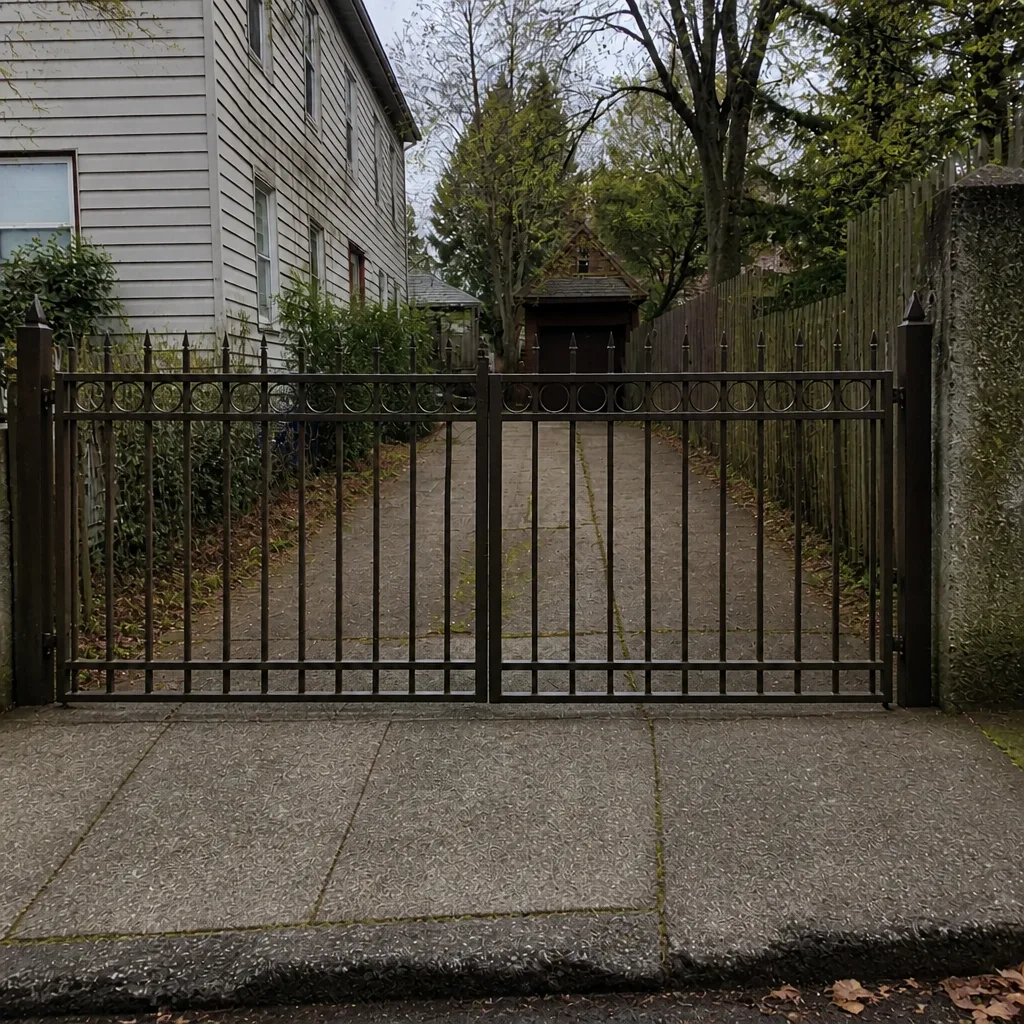
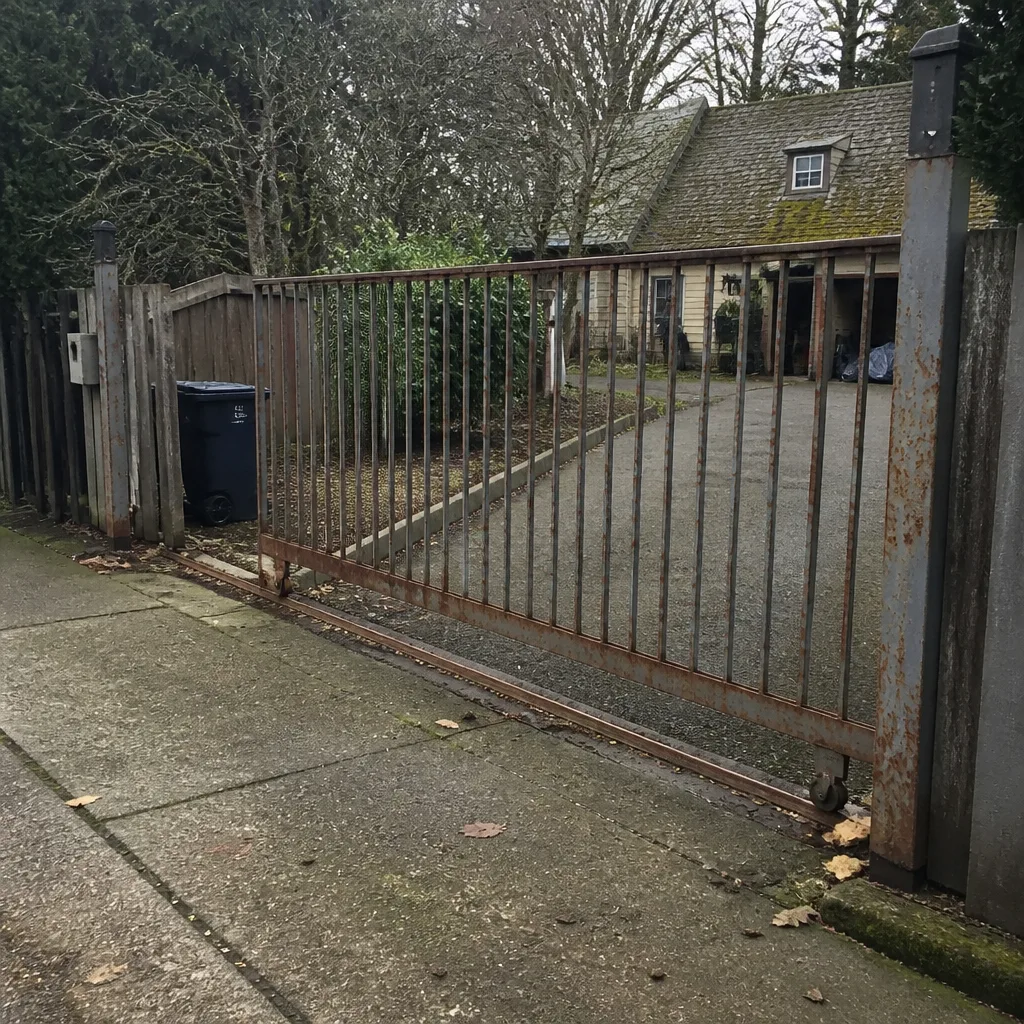
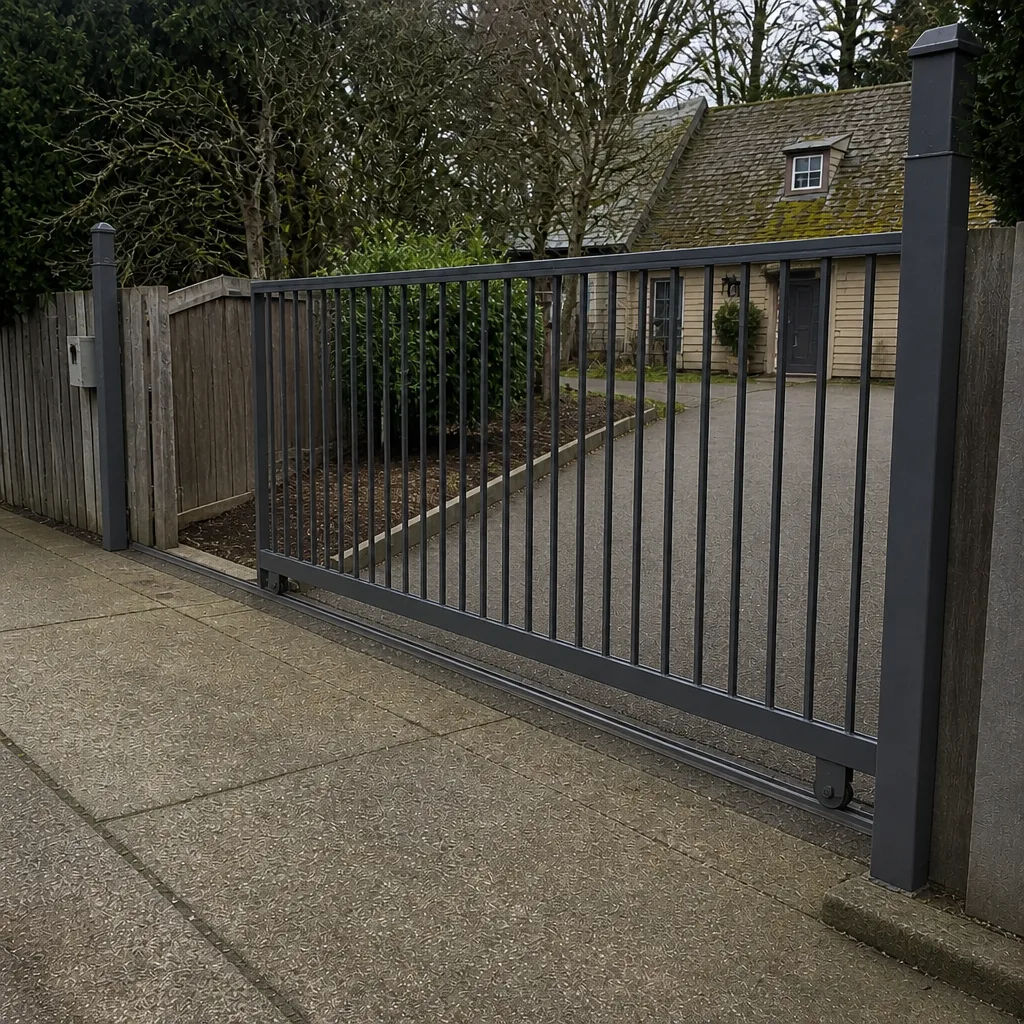
See the difference
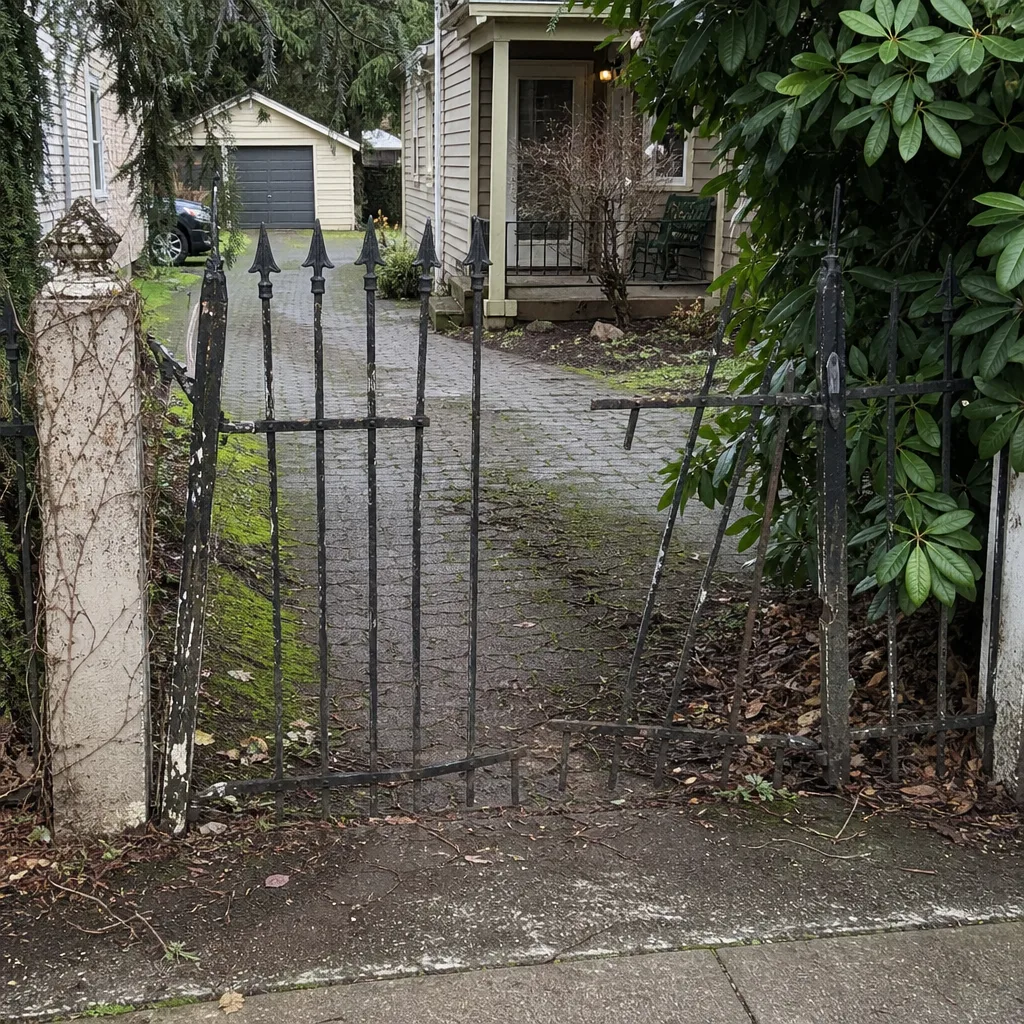 Before
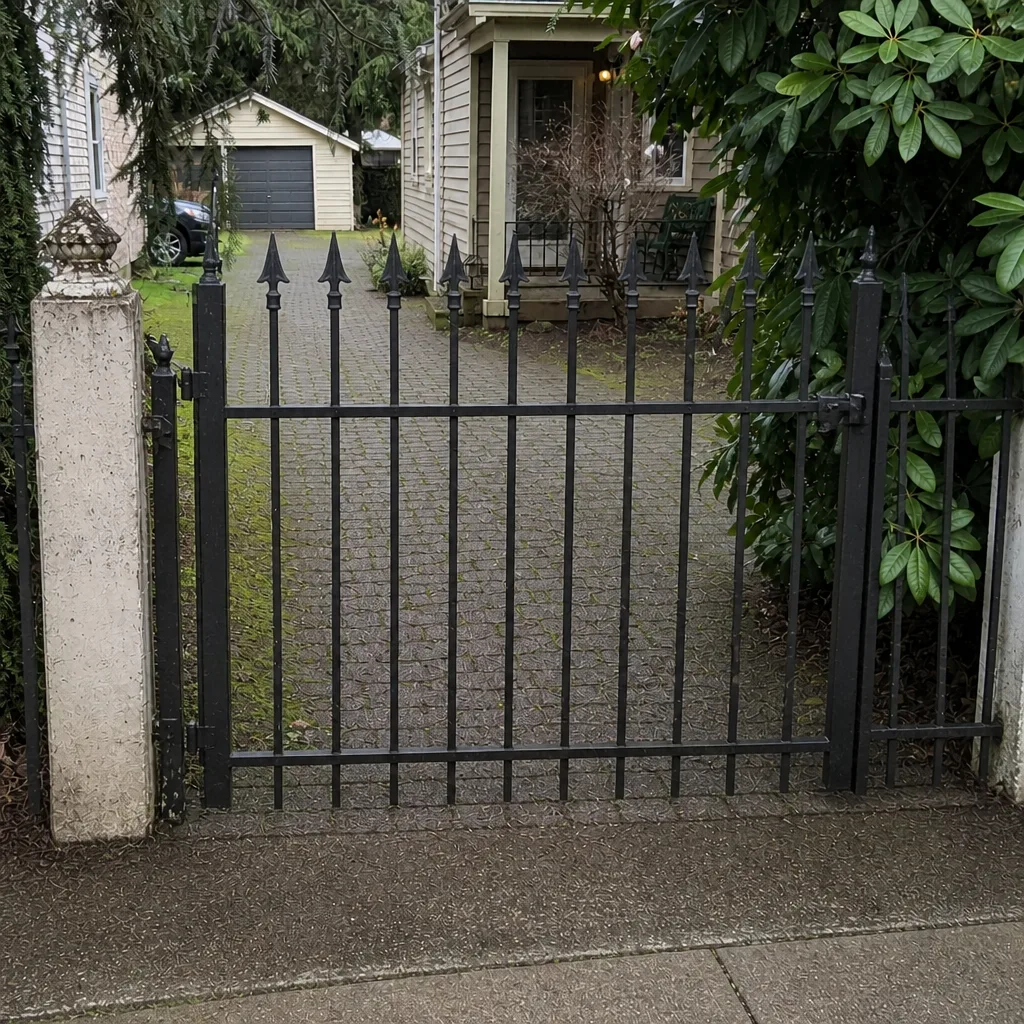 After
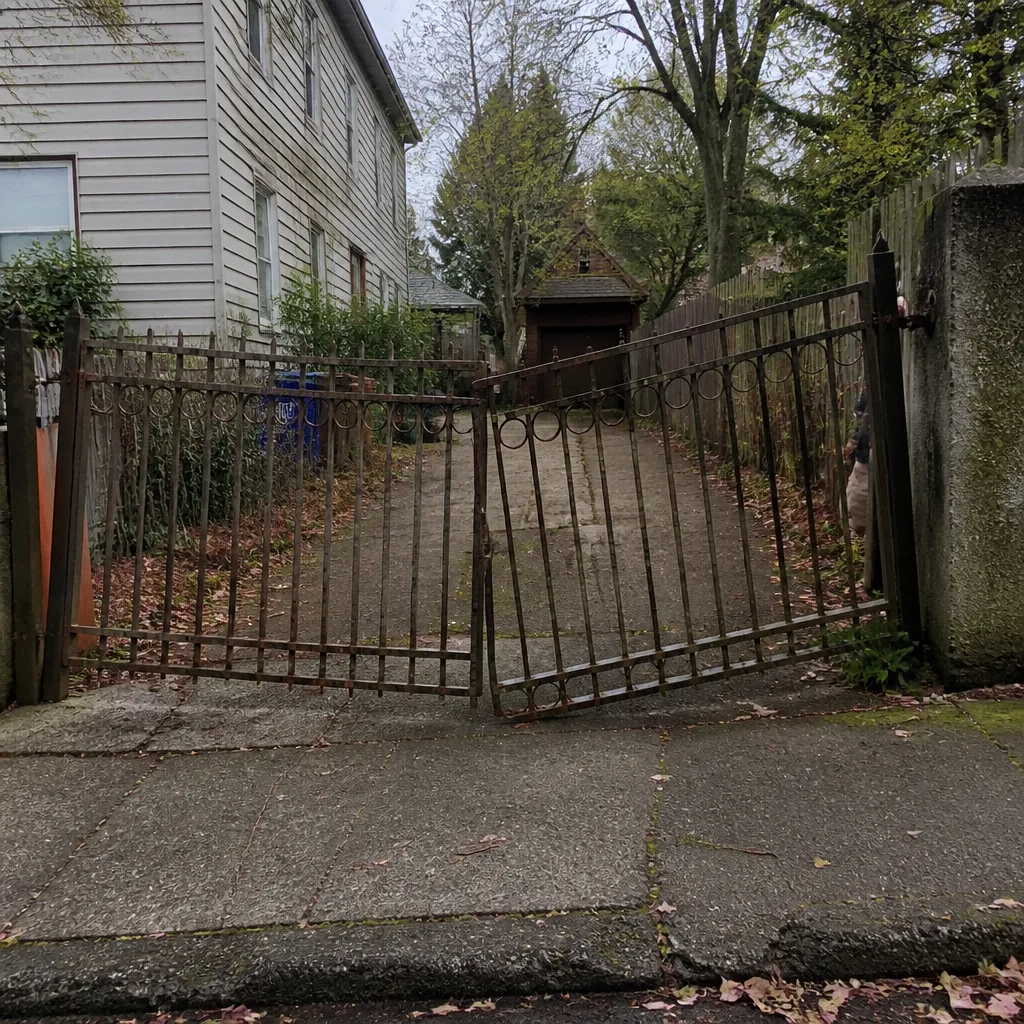 Before
 After
 Before
 After
When to Call a Professional
Call a professional when the gate reverses on its own, refuses to close, makes grinding or clicking noises, or stops partway through its cycle. Call even sooner if you smell burning from the control box, see damaged wiring, or find the gate off its track or post. These are the failures where a trained technician saves you a motor, and where electric and motorized gates carry real risk. Do not open the control box or touch wiring on your own; the operator and safety edges are wired to household power, and the moving gate itself is a crush hazard. Gate repair in Pearl District is what we do, and the local pro we connect you with is licensed and insured as the state requires. Gate Repair Pearl District offers free estimates in Pearl District. Call (833) 482-6184 to get started, and we’ll confirm a written price before any work begins.
Frequently Asked Questions
There’s no single best brand for every Pearl District gate. The right brand depends on duty cycle, gate weight, and whether the brand’s replacement parts are stocked locally. For most single-family gates, a LiftMaster or FAAC operator is a strong fit, and for multi-unit buildings the answer is usually a commercial-rated operator such as DoorKing or a heavy-duty BFT or Viking model. Call (833) 482-6184 for a free estimate matched to your gate.
Gate motor repair costs depend on the brand, the failing component, and which parts need to be ordered, so a written estimate is the only fair number. When the operator is a widely supported brand with local parts, the repair usually turns around fast; a niche brand with factory-direct shipping takes longer. Call (833) 482-6184 for an exact quote – estimates are free.
Gate repair and emergency service are the fastest turnarounds we offer, and we can often get a technician out the same day when the schedule allows. The local pro confirms a time with you before anyone heads out, and the price is agreed before any work starts. Call (833) 482-6184 and we’ll get your gate back working as quickly as we can.
We work on LiftMaster, FAAC, BFT, Linear, Viking, Ghost Controls, DoorKing, Elite, and Mighty Mule, covering virtually any operator a Pearl District property might have. Our technicians have up to 9 years of experience across these systems, and the priority is to diagnose and fix the actual failing part, not replace the motor unless it’s truly needed. Call (833) 482-6184 to book a diagnostic.
Yes. Power wiring, safety-sensor alignment, keypad and remote programming, and full access-control setup are all part of the installation, not something subcontracted out. We confirm the mounting structure and wiring route during a free on-site estimate before anything is ordered. Call (833) 482-6184 to schedule the measure and written price.
Because a gate down waiting on a shipped part is what makes a “cheap” brand expensive. Brands with local distributor stock – LiftMaster, Linear, and the pro-grade FAAC and BFT lines – usually turn repairs faster, while niche brands can require factory-direct orders with longer lead times. Call (833) 482-6184 and we’ll tell you which brands have parts on hand near Portland for your model.
The Bottom Line
Pick a gate operator brand by matching duty cycle to real traffic, confirming that replacement parts are stocked in the Portland metro, and checking that the brand fits your gate’s weight and access-control goals. LiftMaster and FAAC work well for most single-family gates, Viking is built for wet-climate durability, and DoorKing is the clear choice for commercial and multi-unit buildings. Avoid the common mistakes – undersized mounts, ignoring duty cycle, ordering before measuring – and you’ll end up with a gate that lasts. If you’re unsure which tier or brand fits your Pearl District gate, call (833) 482-6184 for a free estimate and a written price before any work begins.
Written by the team at Gate Repair Pearl District.