Last updated November 25, 2026
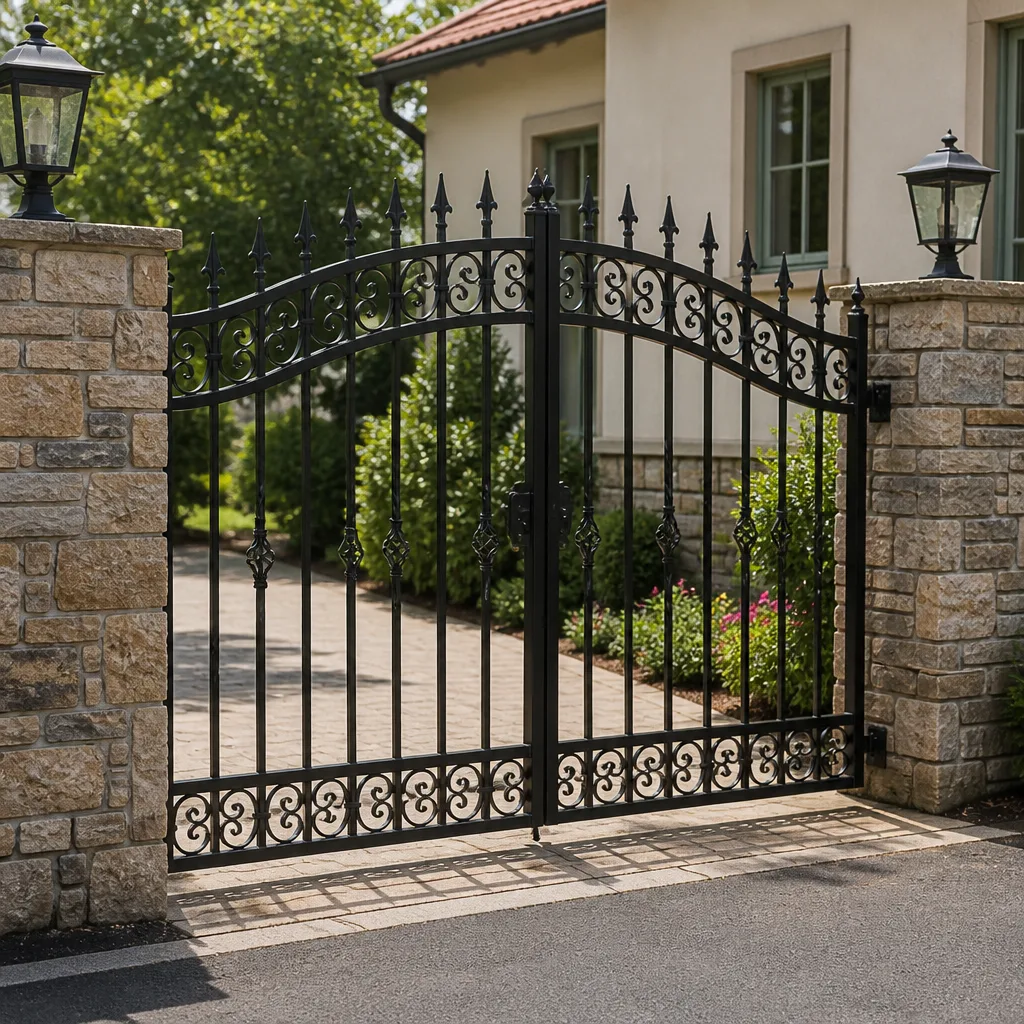 Wrought iron
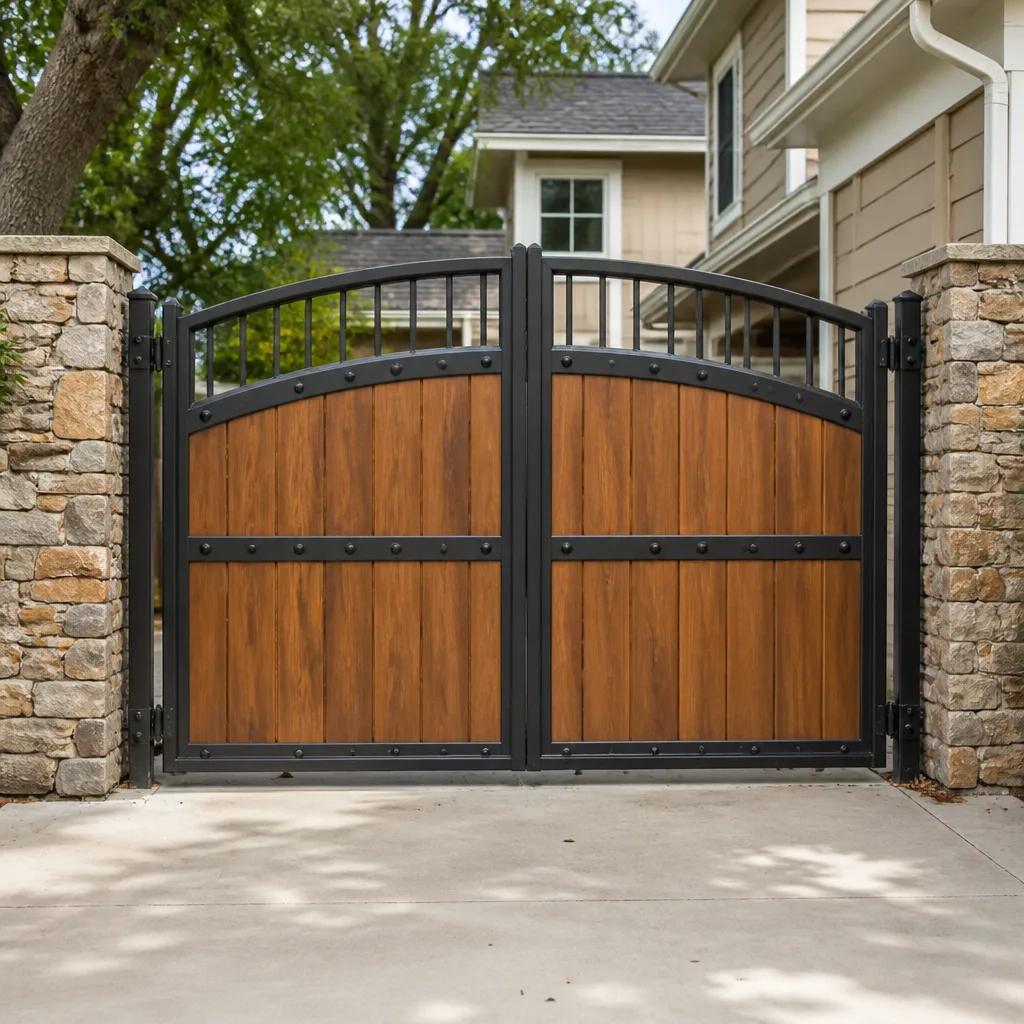 Wood & steel frame
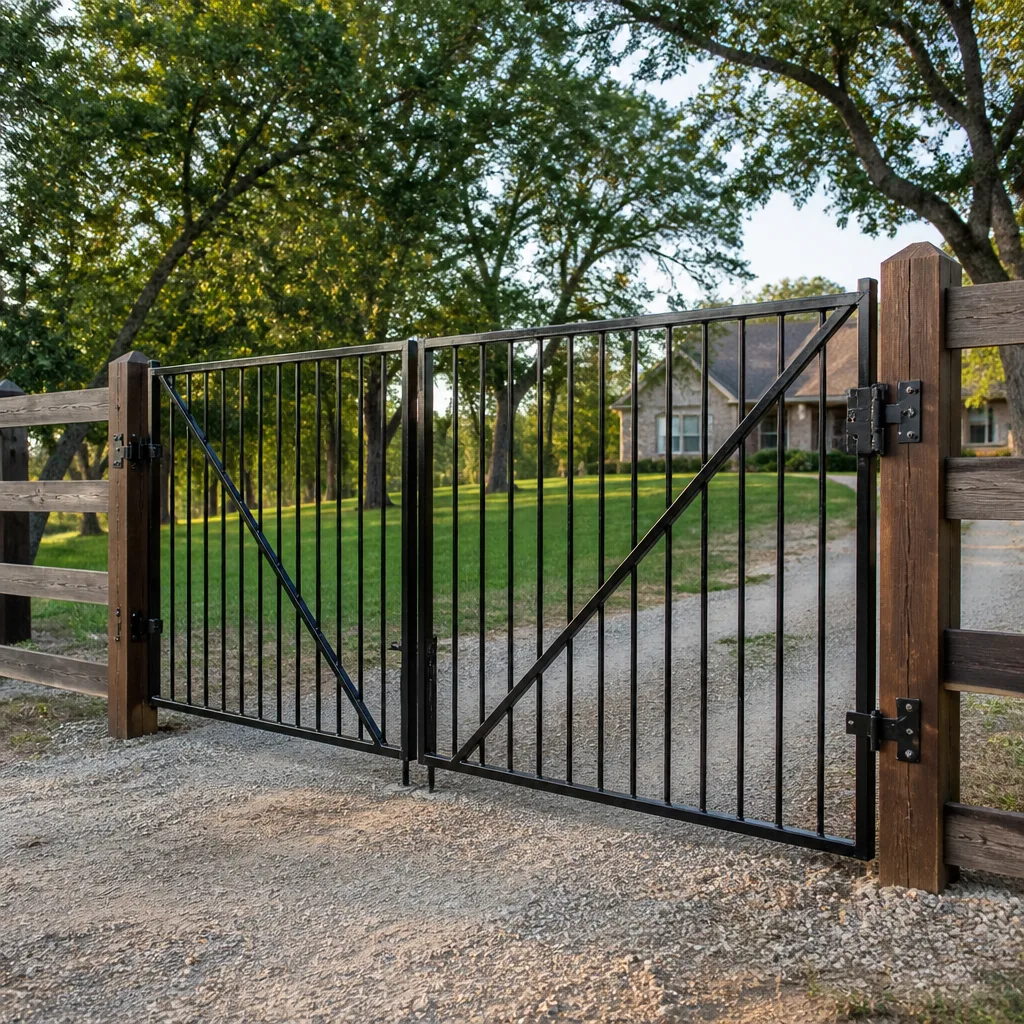 Farm & ranch
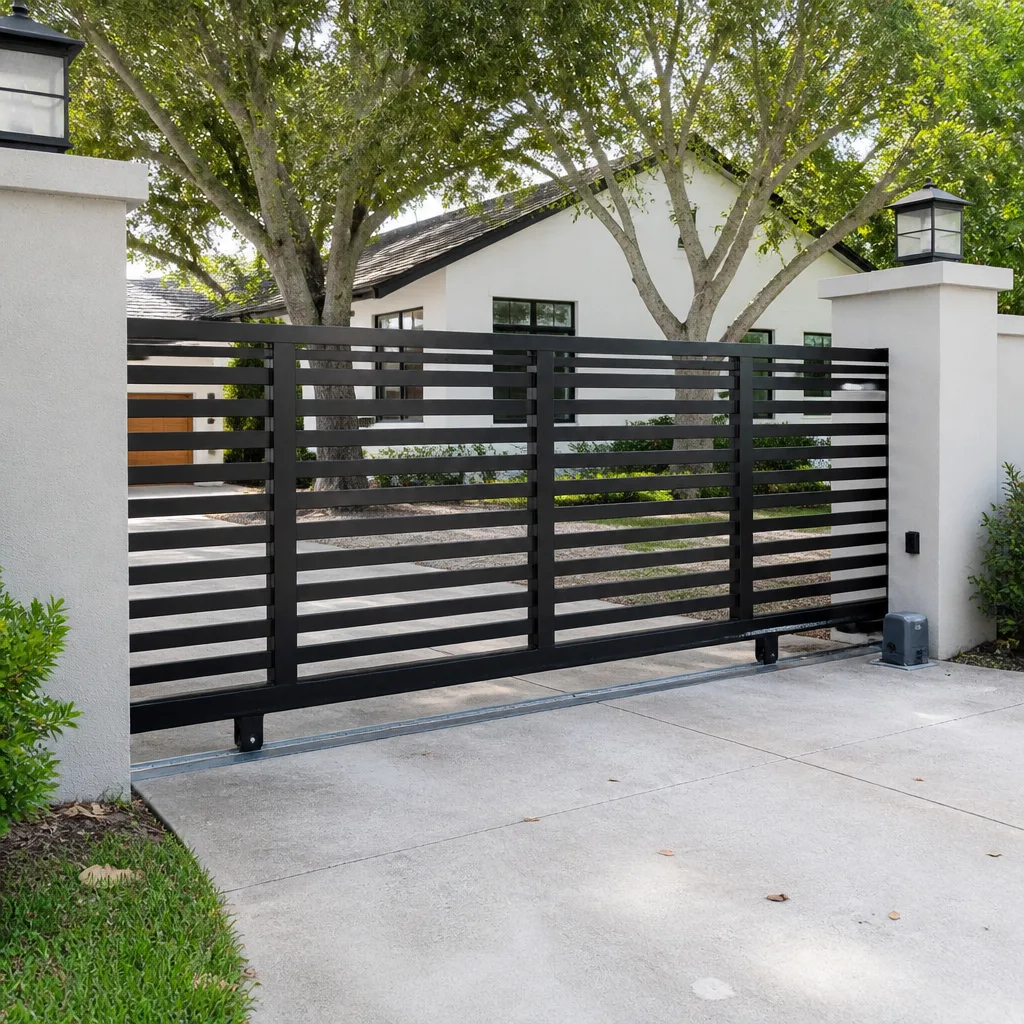 Sliding driveway gates
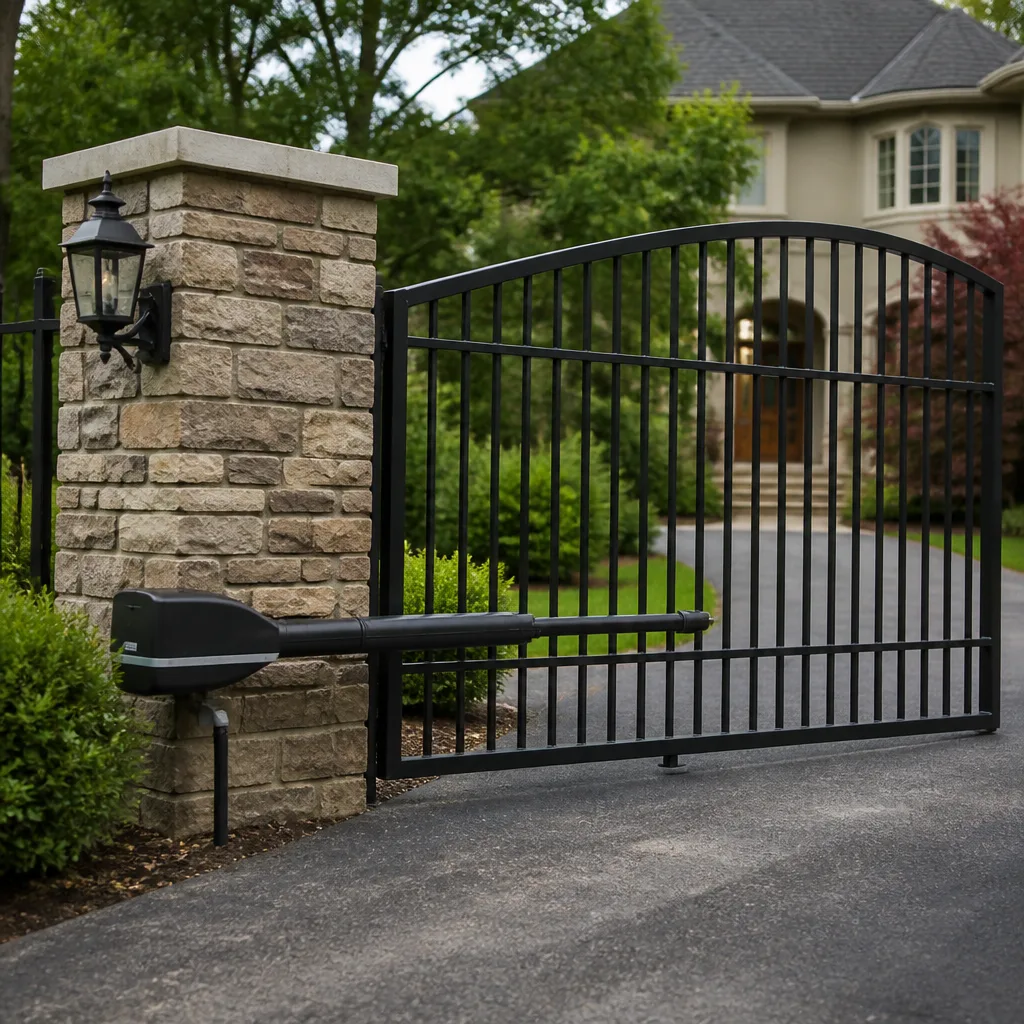 LiftMaster operators
Free on-site gate assessment - hinges, posts, and your LiftMaster or Nice gate operator checked before anything is quoted
The assessment is free and the quote is the invoice.
Get your free estimateGate Repair Emergency Preparedness Guide for Pearl District Homes
Most gate emergencies aren’t really about the gate. At 11 PM, a gate frozen in the open position is a security problem first and a repair problem second, and the twenty minutes you spend securing the opening matter more than the two hours before a technician arrives. Meanwhile, a gate stuck shut isn’t a security problem at all. It’s a logistics problem: someone’s car is trapped, a delivery is circling, and neighbors on a shared drive are comparing schedules. The two failures look similar and demand completely different responses. This guide walks you through both decision trees, from the manual release to the phone call, with the Pearl District’s shared drives and older industrial-conversion properties in mind.
Quick Answer
For a gate stuck open in Pearl District, your first priority is temporary security: engage the operator’s manual release if it’s safe, close the gate by hand, and secure it with a lock or brace before you troubleshoot anything. For a gate stuck closed, your first step is the manual release or a keyed override, and you should never force a motorized gate against its drive mechanism. When you call a gate repair specialist, have your operator’s model number, the exact symptom, and access instructions ready so the technician arrives prepared.
Styles & brands we work with
- Wrought iron
- Wood & steel frame
- Farm & ranch
- Sliding driveway gates
- LiftMaster operators
Table of Contents
- Gate Stuck Open: The 20-Minute Security Protocol
- Gate Stuck Closed: Overrides for the Three Most Common Operators
- Power Outage Behavior: Why Most Gates Fail Secure
- What to Have Ready When You Call
- Shared Driveway Gates in the Pearl District
- Is It Electrical or Mechanical? A Quick Diagnostic
- Preparing Your Gate Before an Emergency Happens
- Pearl District Weather and Gate Failures
Gate Stuck Open: The 20-Minute Security Protocol
A gate left standing open on a Pearl District access drive is a physical opening in your perimeter. Treat it as one. Before you touch the operator, close the physical gap. Whether you can do that safely depends on the gate’s design, but the sequence is the same.
- Locate the manual release. Most residential swing operators have a release lever or keyed handle on the arm or housing. Slide gates usually have a clutch or release pin. The manufacturer’s manual or the operator’s control cover label tells you how yours works. If you can’t find it and you’re not sure how it operates, don’t improvise on the mechanism.
- Disengage the operator from the gate. Once the motor is disconnected, most gates can be pushed by hand. Move slowly. Heavy steel-clad gates from the Pearl District’s converted warehouse buildings can weigh far more than a modern residential panel, and they can swing quickly if the grade slopes.
- Close the gate and secure it. A padlock through the gate frame and post, or a chain and lock across the gap, holds it closed. This restores your security perimeter while you wait for a repair.
- Check for the cause before you call. Look for tripped breakers at the operator’s dedicated circuit, a gate that’s stopped on a physical obstruction, or a safety sensor that’s been knocked out of alignment. If the gate just won’t respond to any signal, note that.
- Photograph everything. Take pictures of the operator, the control panel, the sensor lenses, and any visible damage on the gate. You’ll share these with the technician, and they shorten the diagnosis.
If you cannot safely release the operator, do not attempt to force the gate. Some drive mechanisms will bend the arm or strip the gearbox under manual pressure, and that turns a simple repair into a motor replacement. Lock what you can, call us, and we’ll walk you through the release over the phone.
Gate Stuck Closed: Overrides for the Three Most Common Operators
A gate stuck closed is an access emergency, not a security emergency. Your car is inside, or your car is outside, and nobody is in danger but the day is not going to plan. The good news: almost every operator installed on residential and commercial gates has a designed override. The bad news: the override differs by brand, and forcing the gate without releasing the drive can cause real damage.
LiftMaster operators
LiftMaster residential swing and slide operators typically use a manual release lever on the operator arm or a keyed release on the housing. For slide operators, the release usually disengages the pinion from the rack. Once released, the gate moves by hand. Don’t pull against the motor. If the release won’t move, stop and call.
DoorKing operators
DoorKing’s commercial and heavy-residential operators are common on Pearl District shared drives and multifamily access gates. Many DoorKing models use a keyed manual release on the housing, and some slide models use a hand-crank or clutch. On larger DoorKing units, the release takes real effort and the gate is heavy. If you’re unsure, wait for a technician.
Elite operators
Elite residential swing and slide operators generally use a release key or lever on the operator body. Turn the key, disengage the arm or clutch, and the gate moves by hand. If the gate is binding in the track or the hinges have sagged, the release will work but the gate still won’t move freely, which tells you the problem is mechanical and not electrical.
Once you’ve established that forcing the gate is a bad idea (and on a motorized gate, it almost always is), you have two options: an emergency repair visit, or a temporary workaround. For a Pearl District property where the gate is the only vehicle access, call us for gate repair and we’ll get a technician to you as quickly as we can. Upfront pricing is quoted and agreed before any work starts, so you’ll know the cost before we begin.
Power Outage Behavior: Why Most Gates Fail Secure
Most automatic gates in Pearl District are configured to fail secure, meaning they default to the closed position when power is lost. That’s a security feature, not a malfunction. If you’ve ever wondered why your gate didn’t open during a power cut, that’s why. The motor releases, the gate holds closed or swings shut under gravity, and the drive won’t open without a release or a backup.
Here’s what matters before an outage happens:
- Know your fail mode. Some gates are configured fail-safe (open on power loss, common on fire-lane or life-safety gates). Most residential gates are fail-secure. Verify which you have. If you’re a property manager running a shared Pearl District drive, the fail mode is a security decision you should make deliberately, not a default you inherit.
- Know your backup power situation. Some operators support battery backup. Some don’t. If yours does and the battery is dead, you’ll find out during an outage. Have the battery checked before storm season.
- Know your manual release before you need it. Walk outside during daylight, find the release, and make sure it works and you know how to operate it. Most people discover the release in the dark during an outage with a car waiting.
- Check safety sensor alignment. A sensor knocked out of line during a storm won’t cause the gate to fail, but it will prevent the gate from operating after power returns. If your gate came back online but won’t move, check the sensor lenses first.
If you’re not sure whether your operator is configured correctly for your security or your access needs, we can inspect the setup and confirm. Call (833) 482-6184.
What to Have Ready When You Call
The single biggest factor in emergency response time is the information you give us on the phone. A gate repair specialist who already knows your model and symptom arrives with the right parts and skips the first hour of diagnosis. Before you call, collect these five things:
- Operator brand and model number. Look on the operator housing, the inside of the control box cover, or the manufacturer label. Even a photo of the label works. If you can’t find it, that’s fine – describe the operator’s shape and size and we’ll work it out. We work on LiftMaster, FAAC, BFT, Linear, Viking, Ghost Controls, DoorKing, Elite, and Mighty Mule, so there’s a good chance we recognize it from a description.
- A precise symptom description. “The gate won’t open” is less useful than “the gate opens about a foot, stops, and reverses.” The difference between a travel limit problem, a sensor misalignment, and a control board fault is entirely in the symptom.
- Access instructions. If the gate is on a shared drive with a locked street entrance, tell us how to get in. A hold-open code, a key location, a resident who can meet us. Nothing delays a Pearl District visit like a technician circling a locked driveway.
- Whether the gate can be closed and secured. Say so if you’ve already locked it, or if you couldn’t. If the gate is stuck open on a busier street, we prioritize that.
- Property type and any multiple-unit considerations. If the gate serves several units, tell us who coordinates access and whether anyone else needs notification.
Have these ready and call us at (833) 482-6184. Estimates are free.
Shared Driveway Gates in the Pearl District
The Pearl District has a lot of shared driveways. Warehouse conversions, townhome clusters, and former industrial lots split into multiple units almost always share a single vehicle access point. That makes a gate failure a different kind of emergency: it doesn’t affect one household, it affects every unit behind the gate, and it usually affects them at the same time.
Coordinating a shared gate repair is more about people than about hardware. In our experience, the smoothest recoveries follow a few simple rules:
- Designate one caller. When five people call the same gate repair company about the same gate, we get five symptom descriptions and four conflicting instructions. Have one neighbor or the property manager call and share the outcome.
- Check the release together. Someone should physically go to the gate and confirm whether it’s been released. If a neighbor already released it, don’t reengage it. The gate should stay in manual until the repair is done.
- Post a notice. A note on the inside of the gate or the gate post telling neighbors the gate is on manual, who to contact, and when the repair is expected saves a lot of repeated phone calls.
- Agree on temporary security. If the gate has to stay open overnight, one person owns locking it manually at a set time. A shared gate is only as secure as the least-informed neighbor.
- Get the model documented for next time. Once the repair is done, photograph the operator label and store it where every unit can find it. A shared drive with documented equipment recovers from the next failure in half the time.
If you’re a Pearl District property manager dealing with a shared gate, call (833) 482-6184 and we’ll quote a one-time diagnosis and a written price for the repair. No maintenance contract required.
Is It Electrical or Mechanical? A Quick Diagnostic
Before you call, you can often narrow down the problem on your own. Not by fixing it – by describing it well. Here’s how to tell electrical failures from mechanical ones using only what you can observe.
Signs of an electrical or control failure:
- The operator makes no sound and no lights come on.
- The remote doesn’t work but the wall keypad does, or the keypad doesn’t work but the remote does.
- The gate moves partway and reverses.
- A safety sensor’s indicator light is off or flashing.
- The status light on the control board shows a fault code.
Signs of a mechanical failure:
- The motor runs but the gate doesn’t move.
- The gate moves but binds, scrapes, or stalls on one side.
- You hear grinding, clicking, or a repetitive clunk.
- The gate hangs low or sags at the outer end.
- The track is bent or the rollers are worn.
The important caveat: for anything involving the control panel, the wiring, or the operator’s internal components, leave it to a trained technician. Gate operators combine line voltage, low-voltage control, and a heavy moving mass. Opening a control box to “take a quick look” is exactly how homeowners turn a control board repair into a personal injury. Trust the indicator lights, trust your ears, and let a professional open the panel. If your operator needs replacement rather than repair, we handle gate motor & opener service for every brand we cover.
Preparing Your Gate Before an Emergency Happens
The best gate emergency is the one you never have. But “prevention” for most Pearl District homeowners doesn’t mean a maintenance plan or a monthly service visit. It means a short list of things you can check in ten minutes a few times a year and the information you should have on hand when something goes wrong.
- Test the manual release. Do this at least twice a year and always before storm season. Make sure it moves freely and you know the sequence.
- Photograph your equipment. Operator label, brand name, model number, control board layout. Save it in a phone album called “gate.”
- Walk the gate’s full travel. Open and close it by hand (with the operator released) and feel for binding, scraping, or a low spot.
- Clear the track. For slide gates, sweep leaves and debris out of the track and check for bends. For swing gates, check the hinges for play.
- Check sensor alignment. Look through the sensor lenses and confirm the indicator is solid. A bumped sensor is the most common “the gate just stopped working” call we get.
- Test the battery backup if you have one. If your operator supports it, budget for a replacement battery as part of preparation, not after the outage.
If your gate is due for a new installation or a motor upgrade, we handle gate installation and can quote a free measurement and a written price before work begins.
Pearl District Weather and Gate Failures
Pearl District sits in the Willamette Valley’s wet winter climate, and the season cycle drives most of the gate failures we see. Fall and winter bring weeks of sustained rain. Springs and summers bring long dry stretches. Gate hardware responds to both in different ways.
- Rain season. Water in the operator housing or a wet control board is the most common late-fall failure. Sensors fog up, remote receivers lose range, and hinges on older gates swell and bind.
- Dry season. Wooden gates shrink. Hardware loosens. Steel track expands. Hinges that were quiet in March can start clicking in August.
- Wind. Heavy swing gates catching a gust can trip limits, twist an arm, or drag a sensor out of alignment. If your gate is on an exposed corner of a Pearl District drive, expect wind to be the failure that shows up.
- Freezes. Frost in the track will stop a slide gate in its spot. Clear ice before the operator tries to push through it.
The pattern is predictable enough that a pre-winter check and a late-summer check catch most of it before a phone call. When we look at an operator, we look for the specific wear patterns our local weather produces. Call (833) 482-6184 for a gate repair quote.
Common Mistakes to Avoid
- Forcing a motorized gate by hand without releasing the operator. The motor’s gearbox doesn’t have a clutch in every model, and a forced gate will strip the pinion or bend the arm. On a Pearl District shared drive, that turns a fast repair into a multi-day shutdown.
- Calling a general handyman for a motorized gate. Electric gates combine line voltage, low-voltage control, and moving safety sensors. Most generalists will politely decline, and the ones who don’t may cause more damage than they fix. Use a gate-specific technician.
- Leaving the gate open while you wait. If the gate failed open, close and secure it manually before you call. Ten minutes of an exposed Pearl District entry is ten minutes too many.
- Assuming the gate needs replacement. Nine times out of ten a “dead” gate is a sensor, a battery, a limit switch, or a control board. A brand-agnostic technician can often repair the existing unit; a brand-locked company can’t, and pushes the sale.
- Skipping the manual release test. The single most common thing we hear at a Pearl District gate failure is “I didn’t know it had a release.” Test it twice a year and save yourself a middle-of-the-night problem.
- Not documenting the model. If you don’t know which operator you own, you’re relying on the next technician to figure it out on site. It costs time and it costs you money.
- Ignoring an intermittent fault. A gate that hesitates one day and works fine the next is failing slowly. Get it looked at before it fails completely.
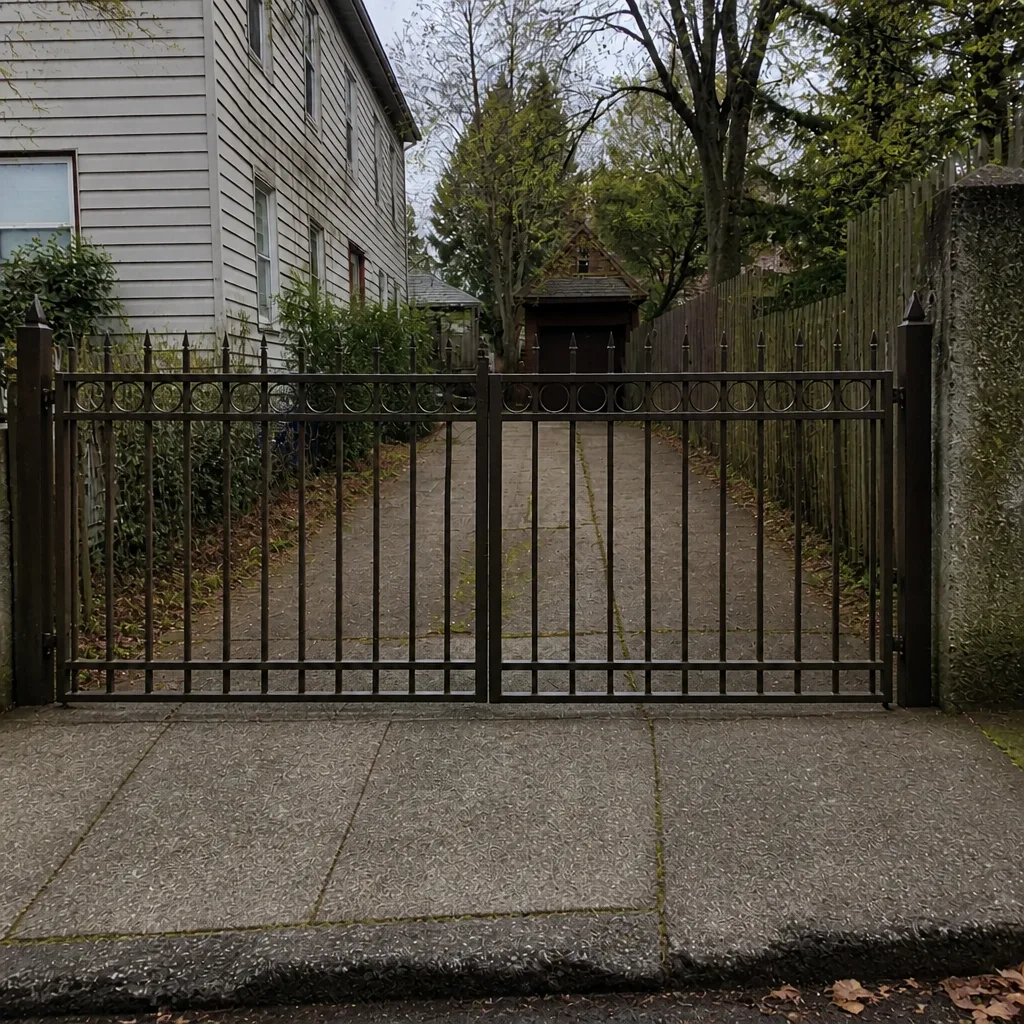
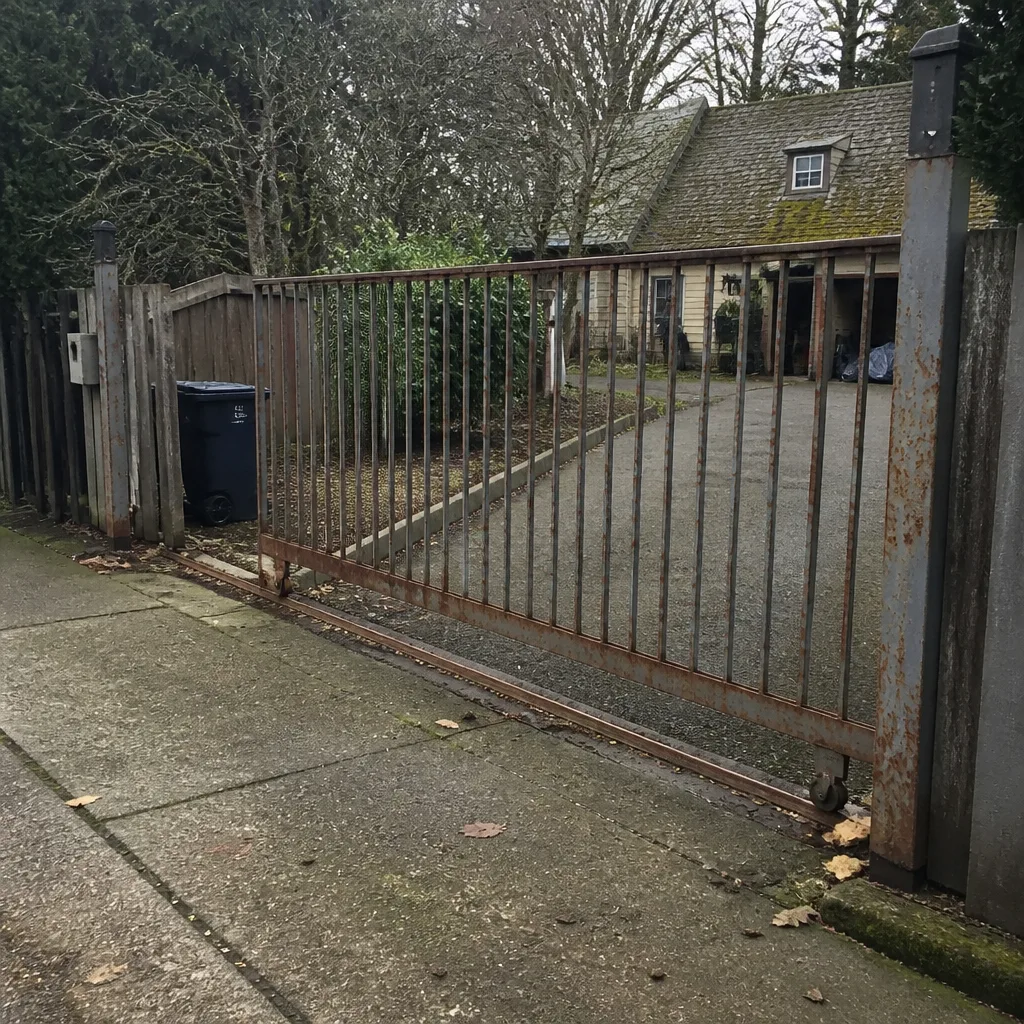
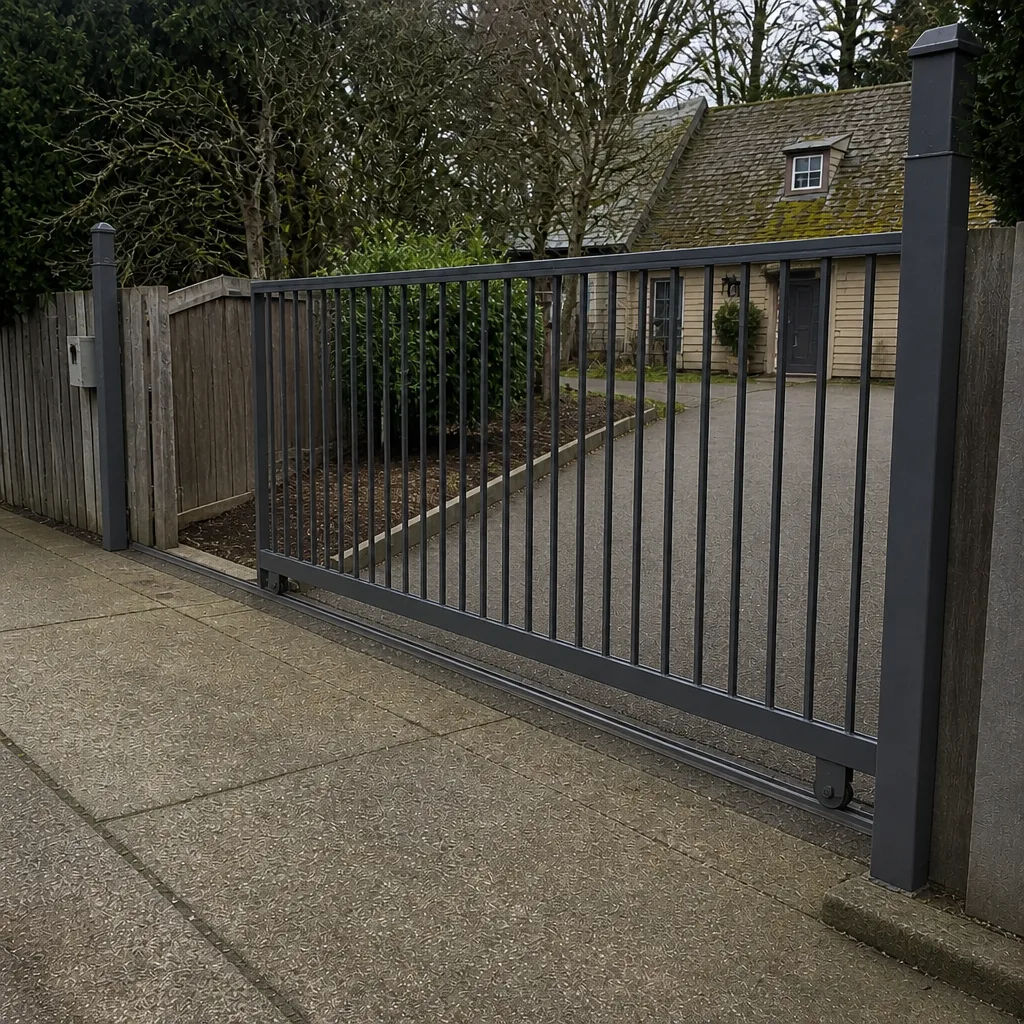
See the difference
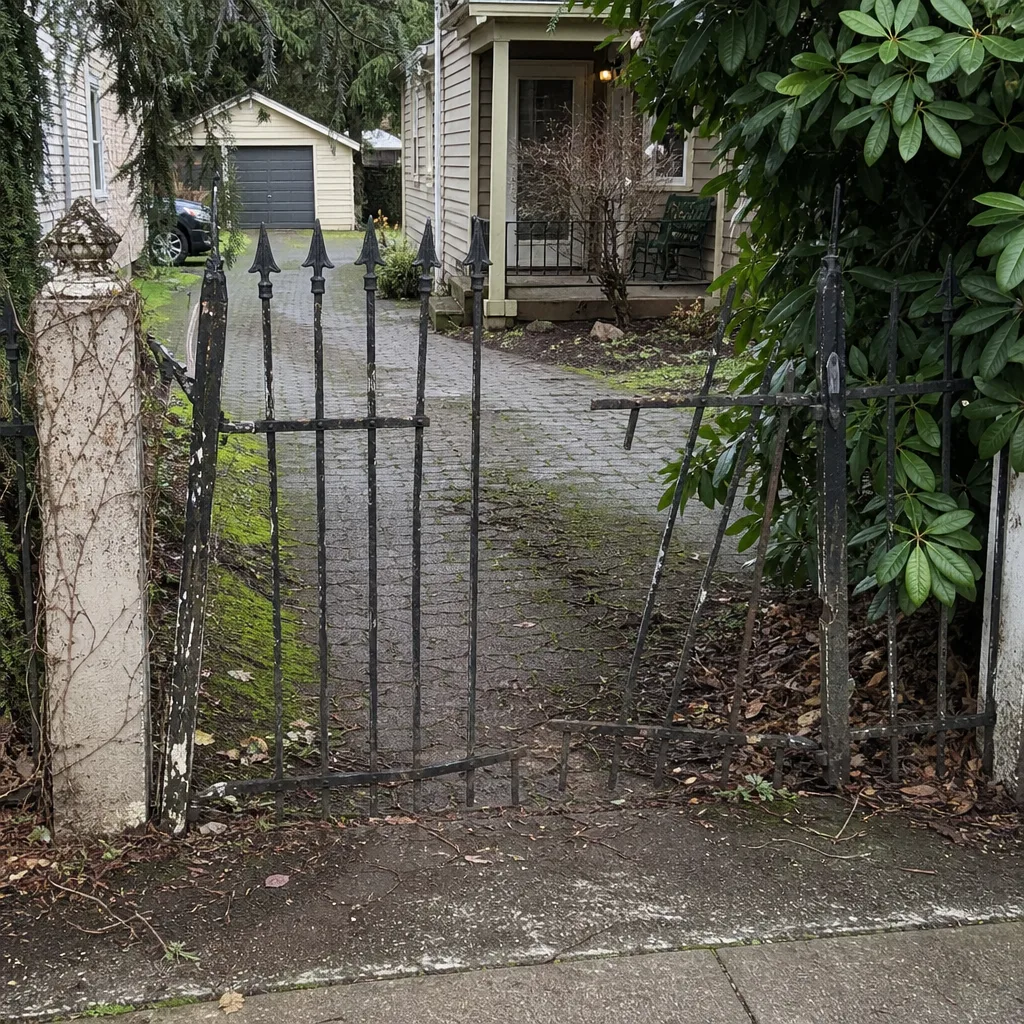 Before
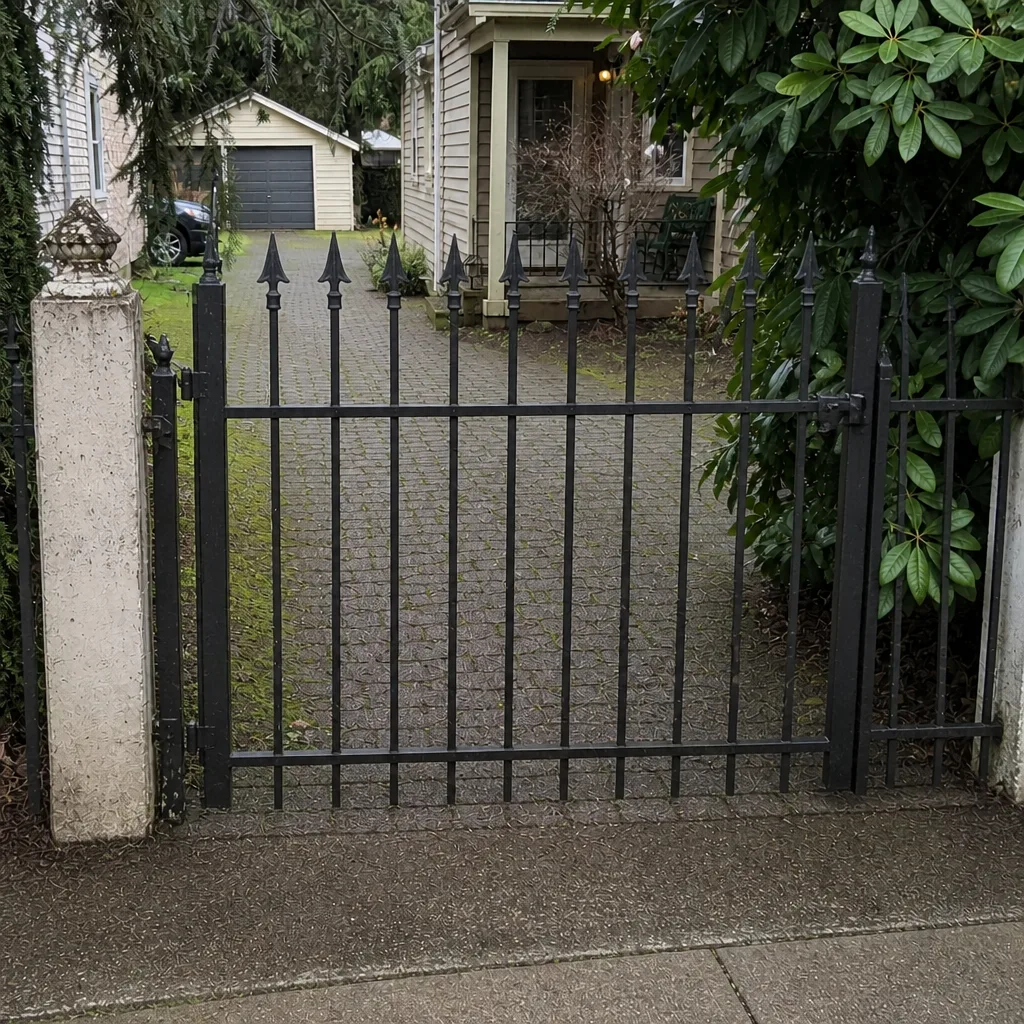 After
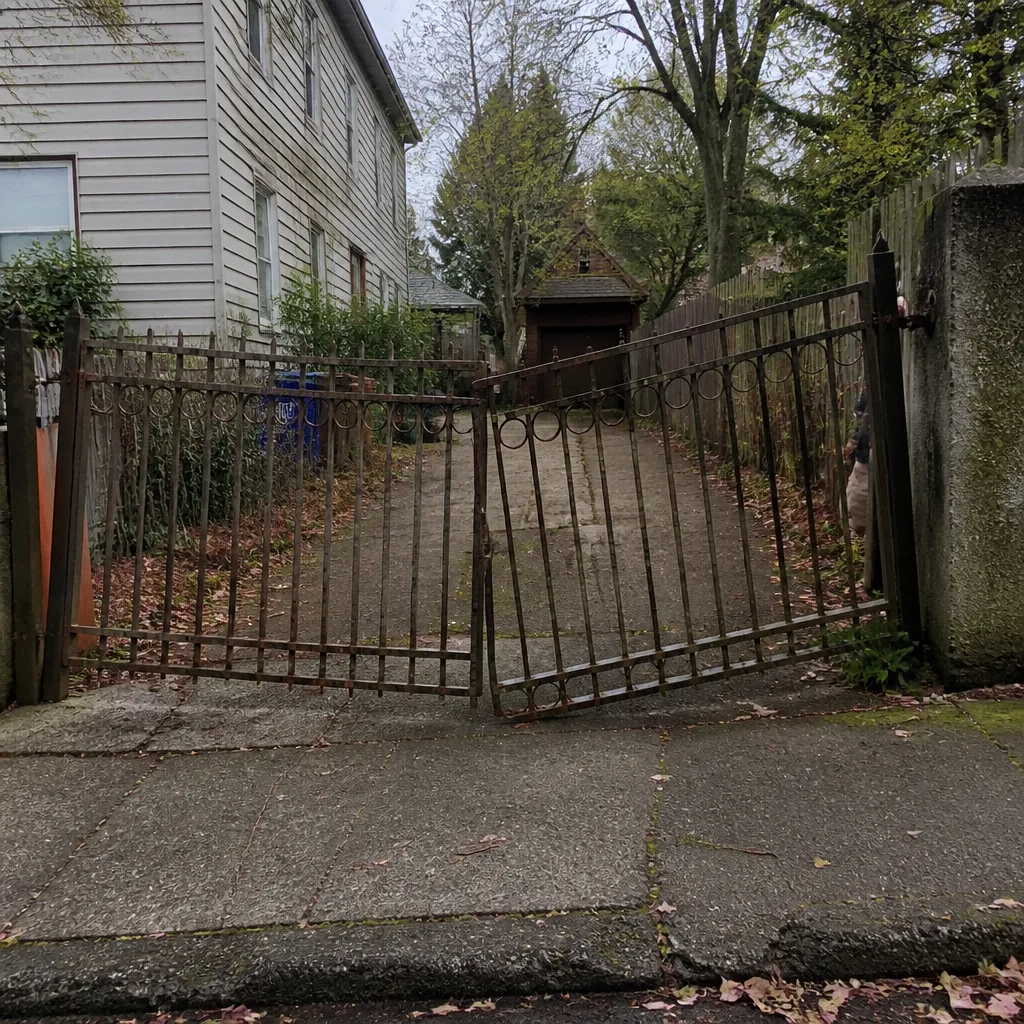 Before
 After
 Before
 After
When to Call a Professional
Call us when the gate won’t release by its designed override, when the operator makes a noise it hasn’t made before, when a shared Pearl District gate has left multiple units without vehicle access, or when you can’t determine whether the problem is the motor, the control board, or the safety sensors. Also call if the gate was struck by a vehicle or a heavy load, if the track is visibly bent, or if any wiring at the operator is damaged, wet, or exposed. These are cases where a same-day repair visit is usually the right call. Gate Repair Pearl District offers free estimates in Pearl District, and we diagnose first and repair second. We repair what’s broken and only recommend replacement when repair is genuinely the wrong path. For a gate that’s stuck right now, call (833) 482-6184 and we’ll get a trained technician scheduled as quickly as we can.
Frequently Asked Questions
Your first priority is closing and securing the physical opening, not fixing the gate. Use the operator’s manual release to disengage the motor, close the gate by hand if you can safely, and lock or chain it closed. Then photograph the operator and call a gate repair specialist. Security first, repair second.
Yes, if your operator has a manual release. Most automatic gates in Pearl District fail secure, meaning they stay closed on power loss, and the manual release is the designed way to open them. Find the release lever, key, or clutch on the operator housing, and follow the manufacturer’s label. If you can’t locate it, don’t force the gate; call (833) 482-6184 and we’ll walk you through it.
Water in the operator housing, a wet control board, or a fogged safety sensor are the most common post-rain failures. Check the sensor indicator lights first. If the operator won’t respond to any remote or keypad but the gate moved fine before the storm, the issue is likely in the control or receiver. A technician can diagnose it quickly, and it’s often a repair rather than a replacement.
You can handle the manual release, physical locking, visual checks, and safe temporary measures. You shouldn’t open the control box, rewire sensors, or troubleshoot inside the operator. Gate operators combine line voltage with a heavy moving mass, and control-board work is a trained-technician job. A safety sensor misaligned by a homeowner is the most common cause of a “new” gate failure we get called to inspect.
Most repairs, once the technician has diagnosed the actual failure, are completed in a single visit. Sensor realignment, limit adjustments, battery replacements, and many control board swaps are straightforward once you know the model. If a part is specific to the operator brand, the repair timeline depends on the part, and we’ll tell you that upfront with a written price before any work starts.
Call (833) 482-6184. We work on shared driveways every week, and we can quote a diagnosis without needing sign-off from every unit. If you’re a property manager coordinating for multiple residents, tell us on the call and we’ll quote accordingly. Estimates are free and the price is agreed before work begins.
The Bottom Line
Gate emergencies come in two shapes: the gate that won’t close and the gate that won’t open. For a Pearl District homeowner, the response is different for each. Stuck open means security first: engage the manual release, close the gate, lock it, then call. Stuck closed means access first: find the release, disengage the operator, and never force a motorized gate against its drive. Keep your operator’s brand and model documented, test the release twice a year, check sensors after storms, and call a gate-specific technician when the problem goes beyond what you can safely reach. If you’re not sure whether your operator is configured for your security or access needs, or you’re facing a Pearl District gate that failed tonight, we can help. Call (833) 482-6184 for a free estimate. We work on your brand, from the motor to the access panel.
Written by the team at Gate Repair Pearl District.