Last updated November 25, 2026
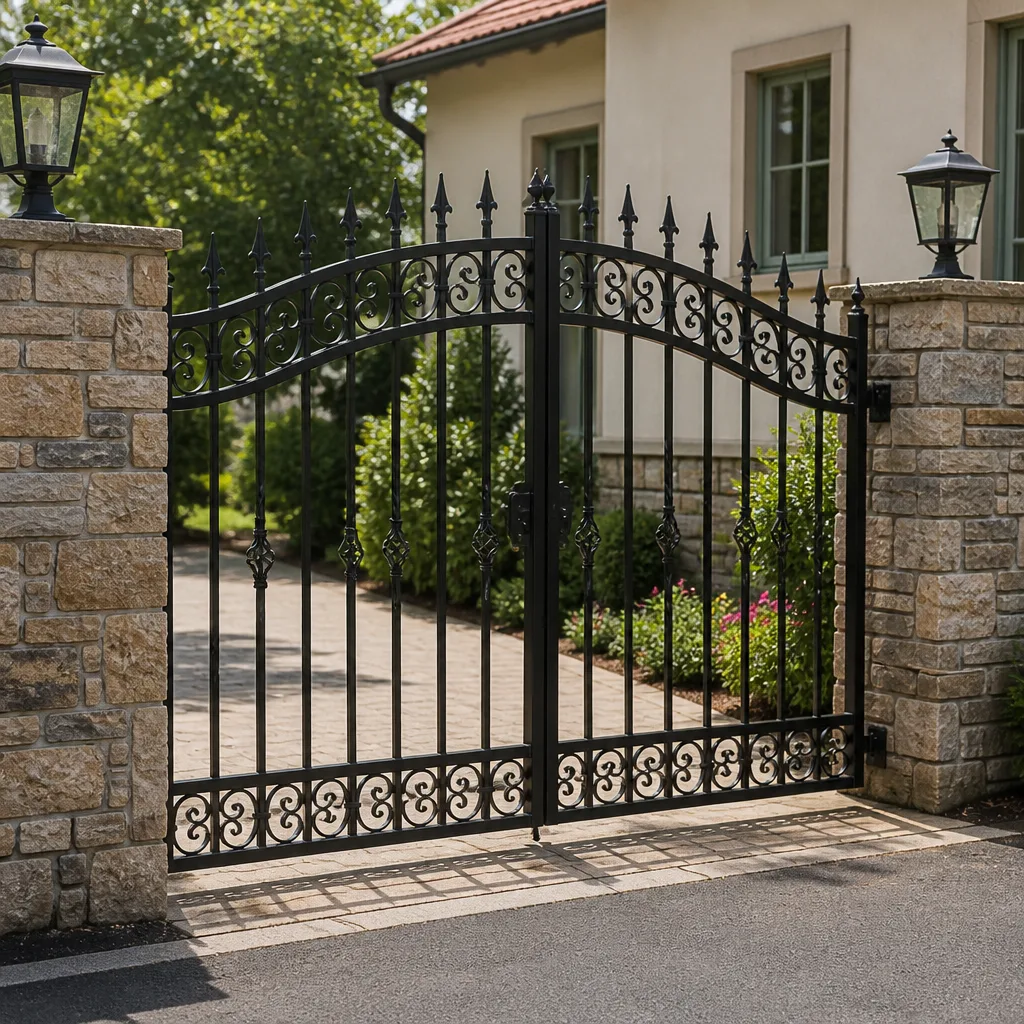 Wrought iron
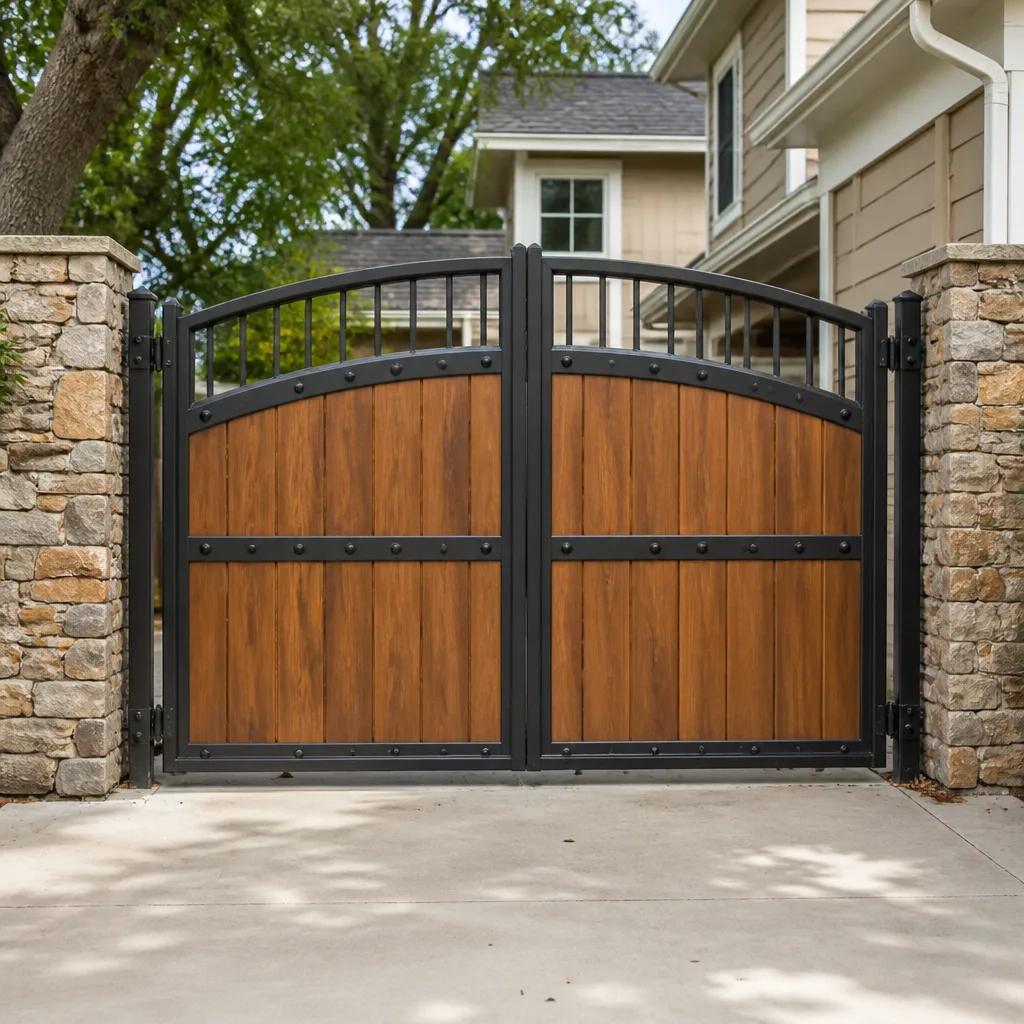 Wood & steel frame
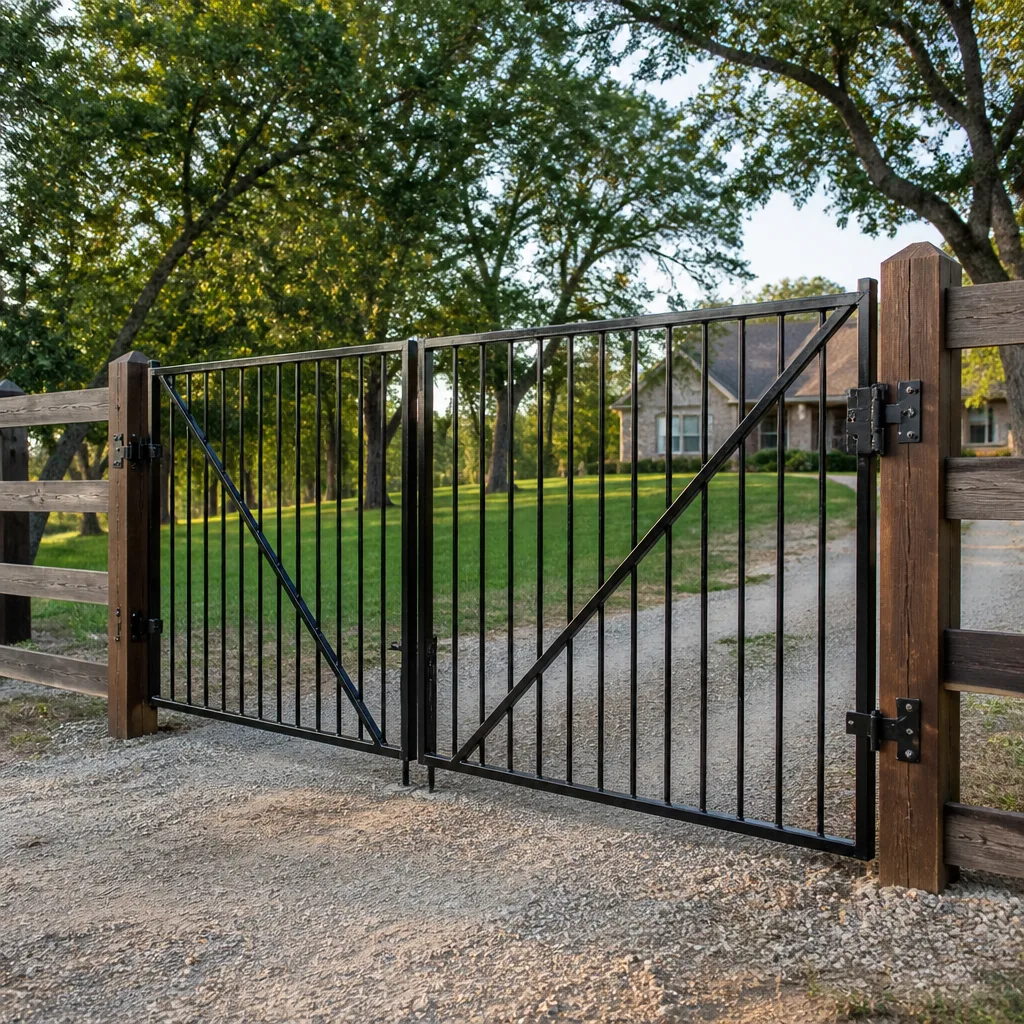 Farm & ranch
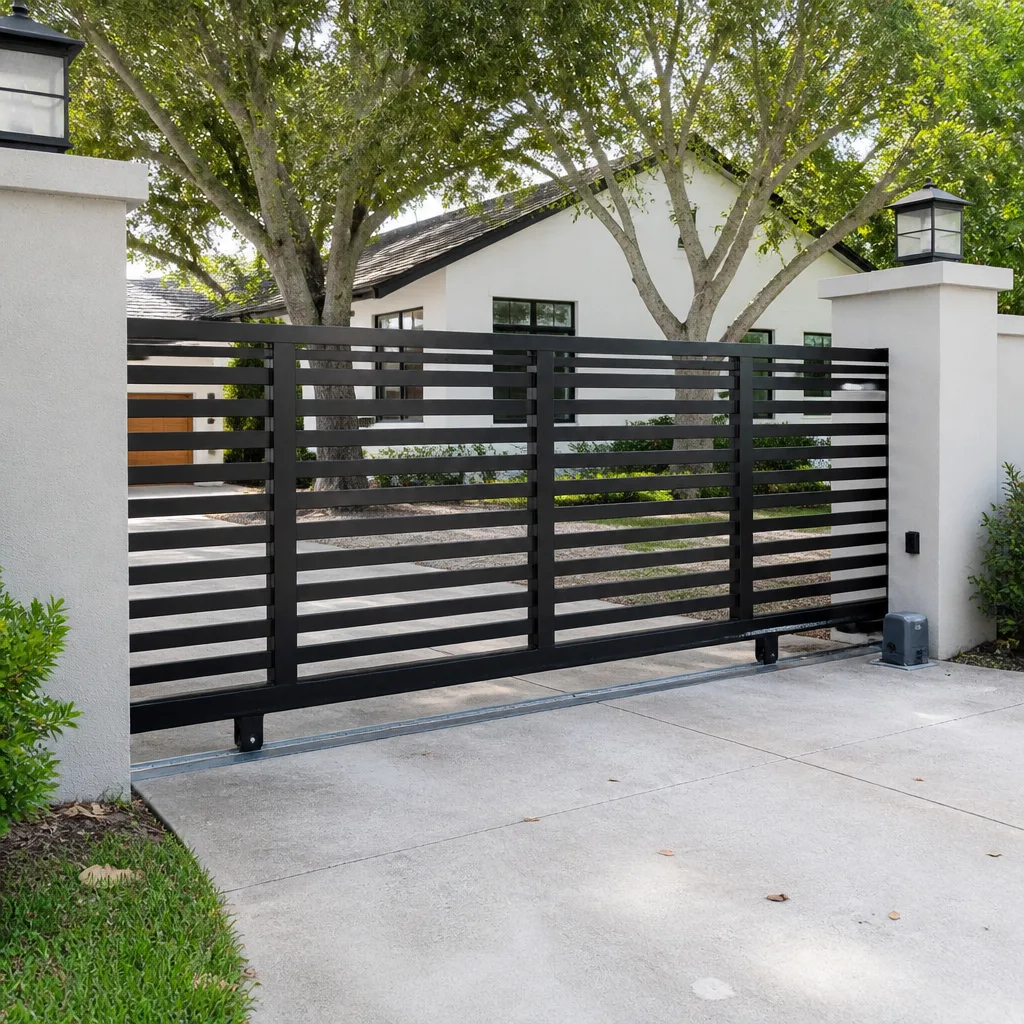 Sliding driveway gates
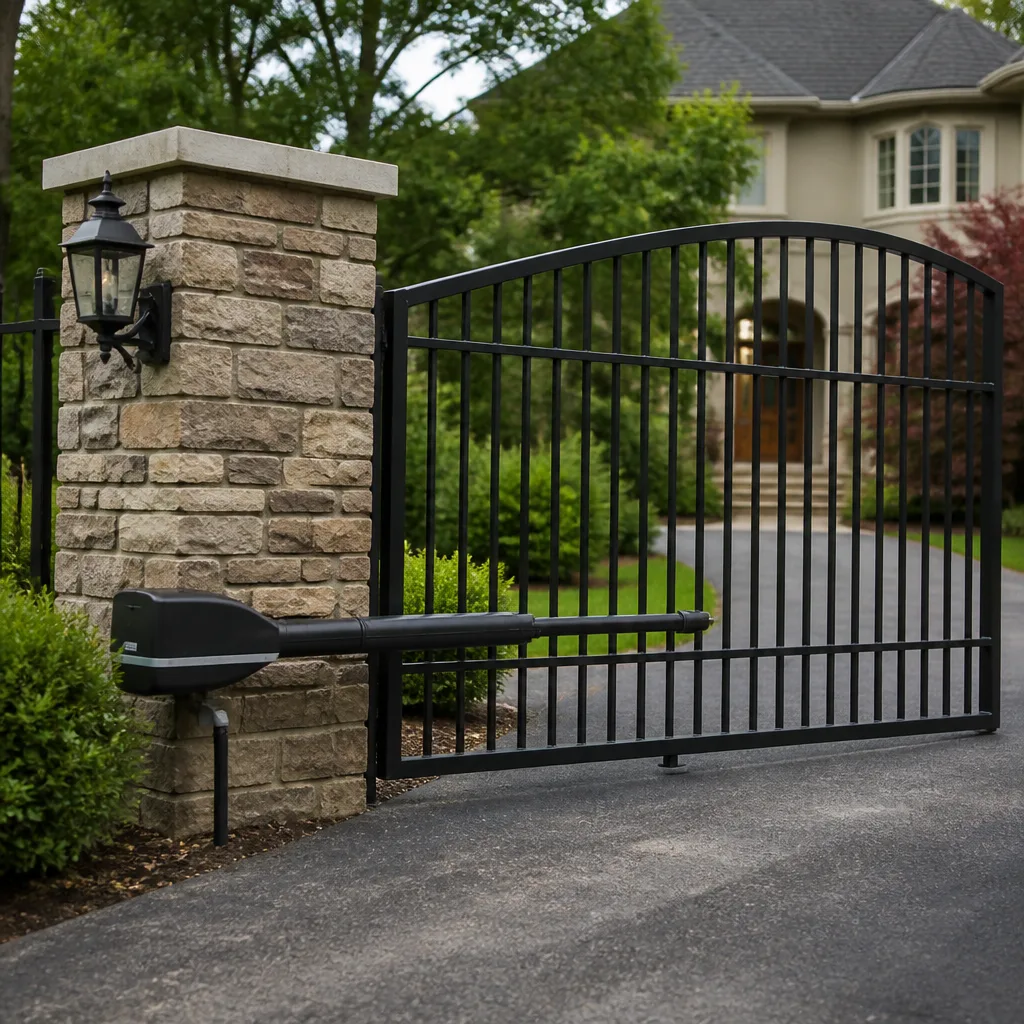 LiftMaster operators
Free on-site gate assessment - hinges, posts, and your LiftMaster or Nice gate operator checked before anything is quoted
The assessment is free and the quote is the invoice.
Get your free estimateThe Complete Guide to Gate Repair in Pearl District
Most gate failures in Pearl District aren’t random. In our experience, they trace back to one of three installation compromises made when a warehouse or light-industrial building was converted to lofts: a hinge bolted into a thin steel column instead of structural framing, a post anchor set into a shallow slab that was never meant to carry a swinging load, or an operator mounted to a wall that flexes with every cycle. Which one you have tells you almost everything about why the gate is dragging, sagging, or stalling. This guide maps every gate type found in the Pearl District to the housing stock and infrastructure realities behind it, so you can describe your problem accurately and get a repair that holds.
Quick Answer
Gate repair in Pearl District usually means fixing a hinge or anchor problem created by converted loft construction, correcting an operator that was mounted to a flexible wall, or replacing a control board or sensor on an electric system exposed to wind-driven rain. Manual swing gates need hinge, latch, and post work; automatic slide and barrier gates need motor and safety-sensor diagnostics; and access control problems are usually wiring, keypad, or remote programming issues. The right first step is to identify your gate category and describe the symptom precisely, then get a written estimate before any work begins.
Styles & brands we work with
- Wrought iron
- Wood & steel frame
- Farm & ranch
- Sliding driveway gates
- LiftMaster operators
Table of Contents
- Why Pearl District Housing Stock Changes Everything About Gate Repair
- Every Gate Category, and How Each One Fails Here
- Shared-Access Driveways vs. Private Residential Entries
- Why Electric Operators in Pearl District Need the Right Enclosure
- Access Control: Keypads, Intercoms, Remotes, and Smart Entry
- How to Triage Your Gate Before You Call Anyone
- Common Mistakes to Avoid
- When to Call a Professional
- Frequently Asked Questions
Why Pearl District Housing Stock Changes Everything About Gate Repair
A gate on a suburban single-family lot hangs between two posts driven into open ground. A gate in the Pearl District often hangs off a building. That single difference drives most of the repair work we handle. When a warehouse became lofts, the new entry gate had to attach to whatever structure was already there: masonry, steel columns, or a poured stoop that was sized for foot traffic rather than a swinging panel.
Those attachment points behave differently under load. Steel columns flex slightly under a swinging gate, which loosens anchor bolts over time. Masonry holds the bolt but cracks around it when a hinge pulls outward. Shallow slabs shift with seasonal ground movement, and a post that was plumb when installed can lean within a season. In each case the gate itself is fine; the anchor is failing.
Infill condos add a second layer. A newer building may specify a gate sized to the opening but anchored to a shared wall, so your gate’s movement is tied to a neighbor’s structure. Repairing that properly means understanding what the gate is attached to before touching the hardware.
- Hinge load: converted buildings rarely have blocking where a gate hinge wants to go, so hinges get mounted to finish materials instead of framing.
- Foundation anchors: gate posts on thin slabs loosen faster than posts set in dedicated footings at proper depth.
- Wall flex: operators bolted to a flexible wall cause the arm to bind, which burns out motors and strips gears.
This is why we ask what your gate is mounted to before we ask what it’s doing. For a general overview of how we approach these jobs, our Gate Repair Pearl District page covers the service from first call through completion.
Every Gate Category, and How Each One Fails Here
Four gate categories cover nearly everything in the Pearl District, and each has its own failure pattern. Knowing which one you have is the fastest route to an accurate quote.
Manual swing gates
These are the most common residential entry gate in converted loft buildings. They fail at the hinge first: sagging, dragging on the ground, or refusing to latch. Because the hinge is usually anchored to converted structure rather than a dedicated post, a hinge repair here means re-securing the anchor, not just tightening a screw. Latches go out of alignment as a result, and a gate that won’t stay closed is almost always a hinge problem wearing a latch costume.
Automatic slide gates
Slide gates in the Pearl District tend to run along building faces or shared drive edges, where the track and the rollers take the abuse. Track misalignment, worn rollers, and operator limit-switch drift are the usual suspects. A slide gate that stops mid-travel or reverses on its own is usually a safety-sensor or limit issue rather than a dead motor, which is good news: sensor alignment and limit adjustment cost far less than a motor replacement.
Barrier arm gates
These show up on shared parking entries and commercial frontages. The arm itself is sacrificial by design and breaks before the operator does, which is intentional. The real failures are the drive gear, the loop detector, and the control board. A barrier arm that cycles but won’t stay down usually has a detector problem; one that moves sluggishly usually has a gear or motor issue. Brands like BFT and Linear are common on these systems, and we work on both.
Pedestrian gates
Pedestrian gates are the smallest and the most abused. They get pushed open, propped, and forced, and the closers and hinges pay for it. On electric pedestrian gates, the safety edges and the strike are the parts that fail first. A pedestrian gate that won’t latch electrically is often a strike alignment problem, not a lock failure.
Shared-Access Driveways vs. Private Residential Entries
Shared-access driveways are common on Pearl District townhomes, and they change the repair conversation entirely. On a private entry, you decide when the work happens and you own the gate. On a shared driveway, the gate, the operator, and often the anchor point belong to more than one party, which affects who authorizes the repair, who pays, and how access is coordinated.
Practically, that means a shared-access repair starts with a clear diagnosis that can be shared with the other parties. When we write an estimate for a shared gate, we describe the fault in plain terms so a property manager or neighboring owner can understand what’s wrong without a technical background. That keeps a small job from stalling in a group decision.
Private residential entries are simpler, but they carry their own Pearl-specific wrinkle: the gate is often an aesthetic element fronting a historic building, so replacement hardware has to match what’s already there. Repair-first thinking matters more here than anywhere. If a hinge can be re-secured and the gate re-hung, that’s almost always better than swapping the gate for something that looks new against a building that doesn’t.
- Shared driveway: confirm who owns the gate and operator before scheduling; the repair estimate needs to travel to multiple decision-makers.
- Private entry: check whether the gate fronts a historic structure, since matching hardware restricts your options.
- Either way: photograph the fault and note the gate category so the first call is productive.
When a repair genuinely can’t save the gate, our gate installation service covers new builds sized to the actual opening and anchored to something structural.
Why Electric Operators in Pearl District Need the Right Enclosure
Electric gate operators here live outdoors in wind-driven rain, and that exposure is the single biggest driver of control-board failures. An operator housing rated for splashing water is not rated for rain driven sideways into a seam. That’s why operators in this district regularly benefit from a NEMA 4X-rated enclosure: it’s built to keep out windblown rain and dust, not just drips.
When an electric gate stops working, the sequence we follow is deliberate, because the motor is rarely the culprit:
- Confirm power at the operator. A tripped breaker or a failed transformer looks exactly like a dead motor from the outside.
- Check the safety sensors and edges. Most “dead” gates are actually gates refusing to move because a sensor reads an obstruction.
- Inspect the control board for moisture. Wind-driven rain finds seams, and a control board with water damage shows it.
- Test the motor and gear train separately. This is how we tell a motor failure from a binding arm or worn gear.
- Review the access control side. Sometimes the gate is fine and the keypad or receiver is the fault.
Brand matters less than familiarity, but familiarity saves time. We work on LiftMaster, FAAC, BFT, Linear, Viking, Ghost Controls, DoorKing, Elite, and Mighty Mule systems, so a diagnostics call starts with a technician who already knows the platform. Our gate motor & opener service handles replacement and repair, and we diagnose before we recommend either.
Access Control: Keypads, Intercoms, Remotes, and Smart Entry
A gate that opens but won’t accept your code is an access control problem, not a gate problem, and it’s one of the most common calls we get in the Pearl District. The gate mechanism is working; the entry layer isn’t. Sorting out which layer is faulty is most of the job.
Access control breaks down into a few components, and each fails in a recognizable way:
- Keypads: usually a wiring or power issue, or a keypad that needs reprogramming after a board swap. Water intrusion into the keypad housing is common in exposed locations.
- Remotes and receivers: a remote that works intermittently is often a receiver antenna or interference problem, not a dead remote. Reprogramming or replacing the receiver is usually cheaper than it sounds.
- Intercoms: call quality and ringer failures trace back to wiring runs, which in converted buildings can be long and indirect.
- Smart entry: app or smart-access integration depends on a stable control board and receiver; if either is flaky, the smart layer inherits the problem.
For property managers, we can consolidate gate repair and access control programming into a single visit so you’re not coordinating two contractors. That’s the practical advantage of working with gate-only specialists: from the motor to the access panel, it’s one diagnosis and one point of contact.
How to Triage Your Gate Before You Call Anyone
A few minutes of careful observation before you call makes the difference between a vague description and an accurate one, and that shortens the repair. You don’t need tools for any of this, and you shouldn’t attempt the repair yourself: electric operators carry line voltage, and heavy gate panels can crush. Observe, note, and hand it off.
- Identify the category. Manual swing, automatic slide, barrier arm, or pedestrian. Write it down.
- Describe the symptom precisely. “Won’t open” is different from “opens halfway and reverses,” which is different from “motor runs but gate doesn’t move.” The second and third usually point to sensors or a binding arm, not a dead motor.
- Note when it started. After a storm, after a power outage, after someone forced the gate, or gradually over weeks. Gradual onset points to hinge or anchor wear; sudden onset points to electrical or sensor faults.
- Check the obvious non-repairs. Breaker tripped? Remote battery dead? Keypad powered? These are worth ruling out before a service call.
- Look at the anchor and hinge. Rust streaks, cracked masonry around a bolt, or a leaning post are things a technician needs to know before arriving.
- Note the brand if you can see it. LiftMaster, FAAC, BFT, Linear, Viking, Ghost Controls, DoorKing, Elite, and Mighty Mule all have different diagnostic paths, and knowing the platform up front helps.
If you’re unsure whether your issue is a repair or a replacement, our gate repair page walks through what we diagnose and what the estimate covers. Either way, the price is quoted and agreed before any work starts.
Common Mistakes to Avoid
- Assuming a dead motor when the sensors are the fault. Most gates that won’t move are refusing for safety reasons, not because the motor failed. Replacing a healthy motor wastes money and fixes nothing.
- Ignoring a sagging hinge until the gate won’t latch. A dragging gate is a hinge or anchor problem that gets more expensive the longer it pulls on the structure. Address it early.
- Mounting an operator to a flexible wall. In converted buildings this is a common shortcut that binds the arm and burns out motors. The mount has to be rigid, or the repair won’t hold.
- Using a general handyman for electric gate work. Motorized gates involve line voltage, safety edges, and control boards. A generalist who will figure it out on-site costs more in the end than a specialist who knows the platform.
- Replacing a gate before diagnosing the anchor. A gate that sags because its post leans doesn’t need a new gate; it needs the post and footing fixed. Repair first, replace only when necessary.
- Skipping the written estimate on a shared-access gate. On a shared driveway, multiple parties need to see the same scope and price in writing before work proceeds.
- Letting a keypad or receiver sit waterlogged. Access control housings in exposed spots need to keep rain out; a failing keypad left in place often takes the control board with it.
When to Call a Professional
Call a gate specialist when the gate involves line voltage, when a heavy panel has come off its track or out of its hinge, when the anchor is cracked or the post is leaning, or when the fault is intermittent and you can’t pin it down. Call when a shared-access gate needs coordination across parties, or when a keypad, intercom, or smart-entry system stops working and you’ve already ruled out the simple fixes. Don’t attempt electrical diagnostics or force a stuck panel yourself: the danger is real, and a trained technician handles it safely. Gate Repair Pearl District offers free estimates in Pearl District. Call (833) 482-6184 and describe what your gate is doing. The more specific you are, the faster the diagnosis.
Frequently Asked Questions
Gate repair is priced per job after diagnosis, and the written estimate sets the final price before any work starts. A hinge or latch adjustment costs less than an operator or control-board repair, and a sensor alignment costs less than a motor replacement. Because we quote in writing up front, you know the scope and the price before we begin. Call (833) 482-6184 for an exact quote; estimates are free.
For repair calls we do our best to respond the same day, with fast dispatch from 7am to 7pm. The fastest way to get a same-day visit is to tell us your gate category, the symptom, and when it started. Call (833) 482-6184 and we’ll let you know what’s available.
We work on LiftMaster, FAAC, BFT, Linear, Viking, Ghost Controls, DoorKing, Elite, and Mighty Mule systems, which covers most operators in the Pearl District. Because we’re trained across competing brands, we diagnose toward the fix rather than pushing a full replacement. Call (833) 482-6184 and tell us the brand you see on the housing.
It’s worth considering in exposed locations, because wind-driven rain is the leading cause of control-board failure on outdoor operators. A NEMA 4X-rated enclosure is built to keep out windblown rain and dust rather than just splashes. We can assess your setup during the visit and tell you whether the current housing is adequate. Call (833) 482-6184 for a free estimate.
No, that’s an access control problem, not a gate mechanism problem, and it’s one of the most common calls we get in the Pearl District. The cause is usually keypad wiring, power, or a reprogramming need after a board swap. We service keypads, intercoms, remotes, and smart-entry integration. Call (833) 482-6184 to book a diagnostic visit.
A motor replacement includes removing the old operator, confirming the mount is rigid, installing the new unit with its safety sensors and safety edges, and programming the access control so your remotes and keypad work. We check the power run and the safety edges as part of the job. Motor replacements are measured, ordered, and scheduled, so call (833) 482-6184 for a free measure and a written price rather than a same-day promise.
Yes. Shared-access gates are common on Pearl District townhomes, and we write a plain-language estimate that multiple parties can read and authorize. We’ll confirm ownership of the gate and operator as part of the visit so the repair can proceed without a group decision stalling it. Call (833) 482-6184 for a free estimate.
The Bottom Line
Gate repair in the Pearl District is anchor work, enclosure work, and access control work more often than it is motor replacement. Converted loft buildings put hinge load on thin structure, infill condos tie your gate to a shared wall, shared driveways add coordination, and wind-driven rain finds every weak seam on an outdoor operator. Diagnose before you replace: identify the category, describe the symptom precisely, and get a written quote agreed before work starts. Our technicians have up to 9 years of experience across LiftMaster, FAAC, BFT, Linear, Viking, Ghost Controls, DoorKing, Elite, and Mighty Mule, and we treat repair-first as the default. When a gate genuinely needs replacing, we say so, and when a fix will hold, we fix it.
Call (833) 482-6184 for a free estimate in Pearl District. Tell us what your gate is doing, and we’ll tell you what it needs.
Written by the team at Gate Repair Pearl District.
See the difference
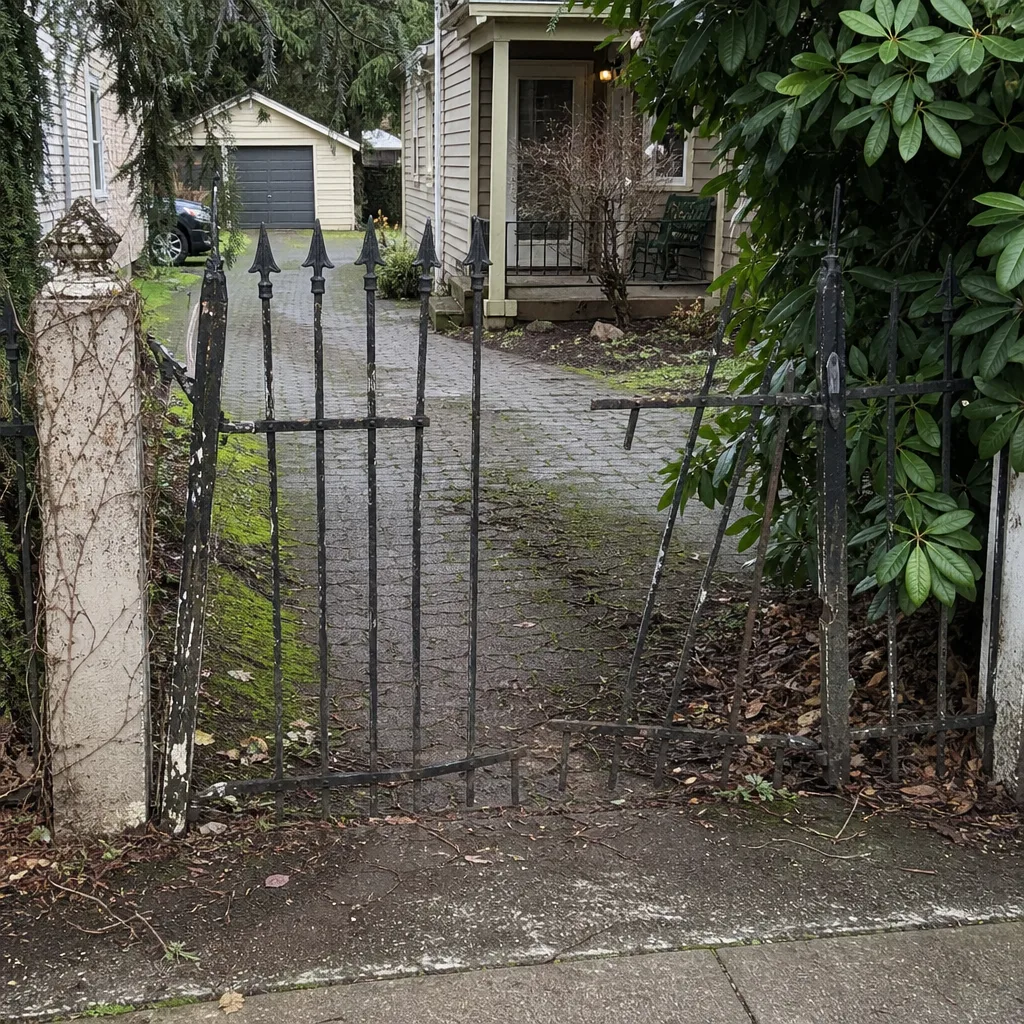 Before
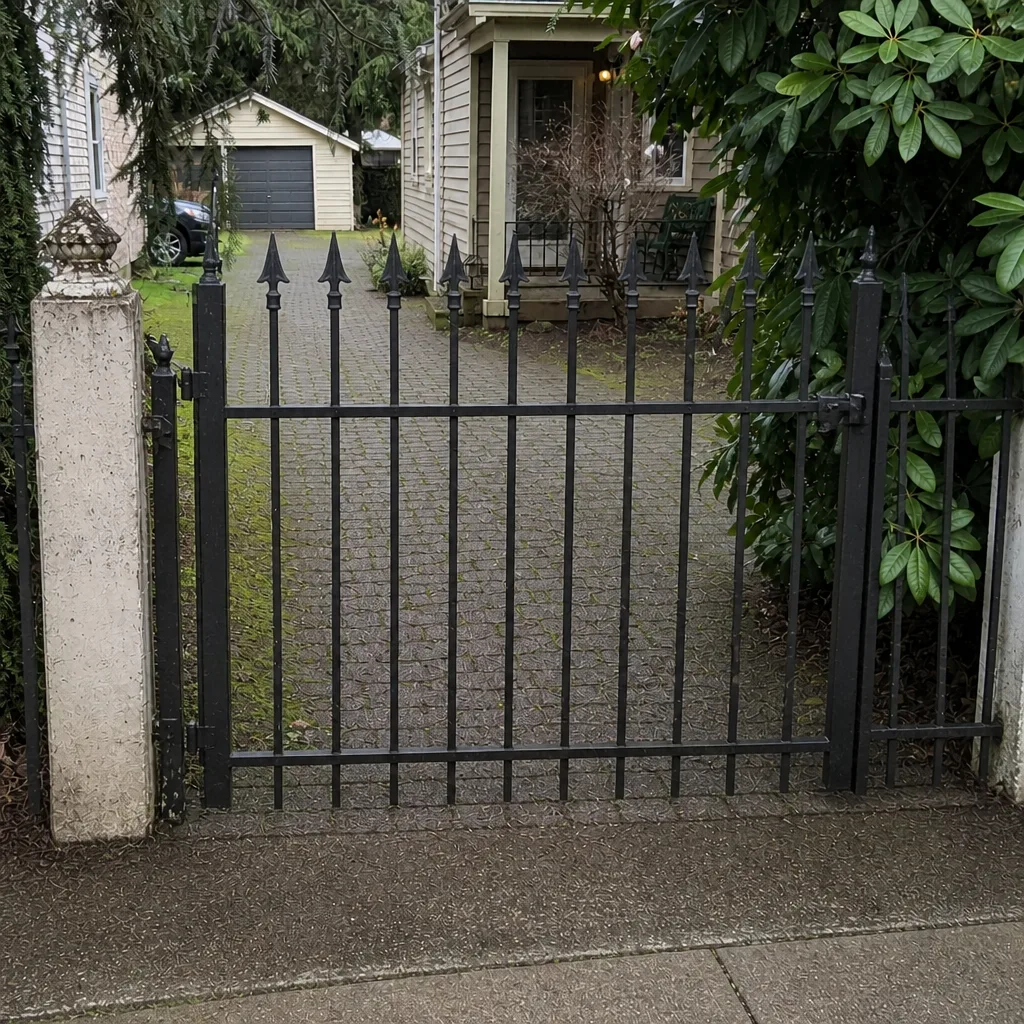 After
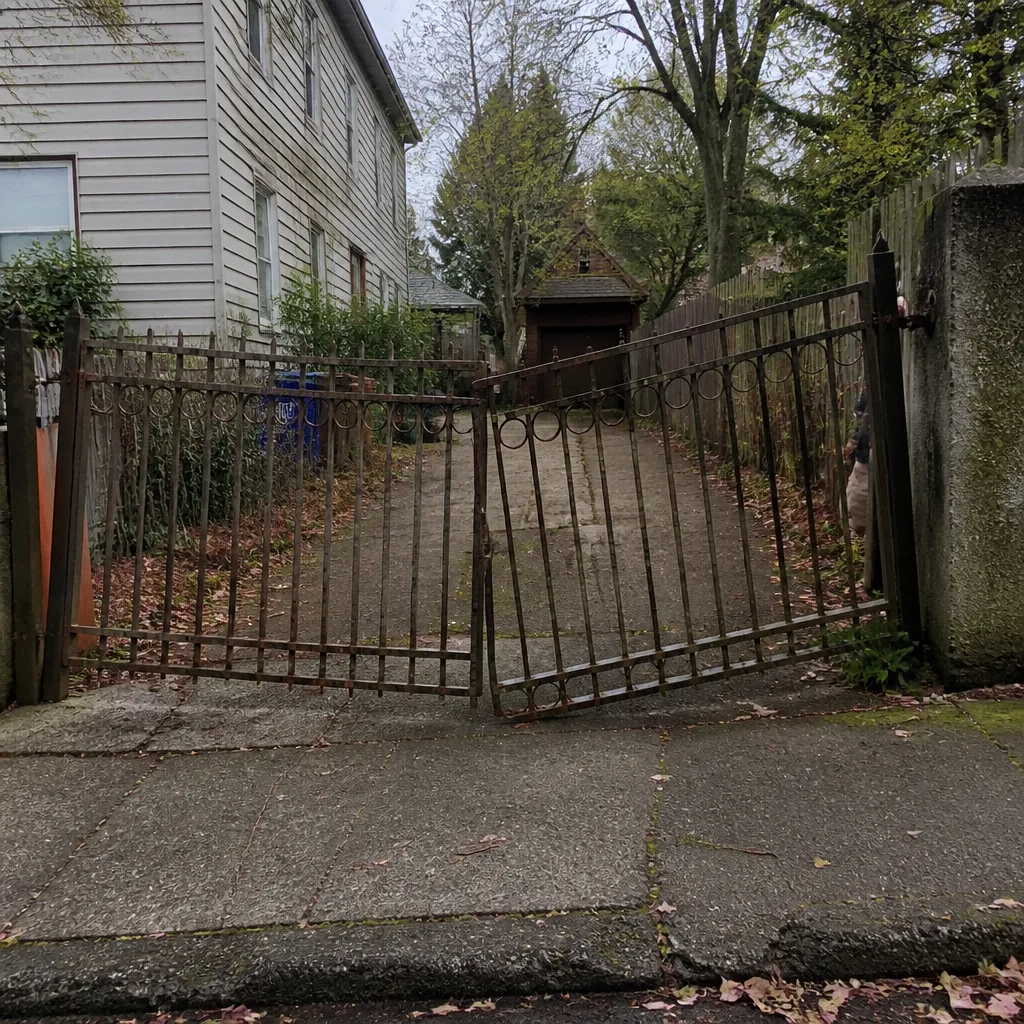 Before
 After
 Before
 After